
The Wheel of the Year

Information layer

Hemisphere
Illustrated Wheel of the Year with eight seasonal festivals, solstices, equinoxes, dates, and zodiac signs

Drag to turn · Select a festival · Change the information layer

Follow a seasonal story

Guided journeys through the year

Choose a curated path when you want more than a filter. Each route turns the Wheel step by step and explains why the next festival matters.

Explore eight seasonal festivals through an interactive year, then open the Knowledge Guide for history, symbols, modern practice, related deities, and deeper reading.

The modern Wheel brings together astronomical turning points, historically distinct festivals, regional traditions, and contemporary Pagan practice. Evidence labels keep those layers visible.

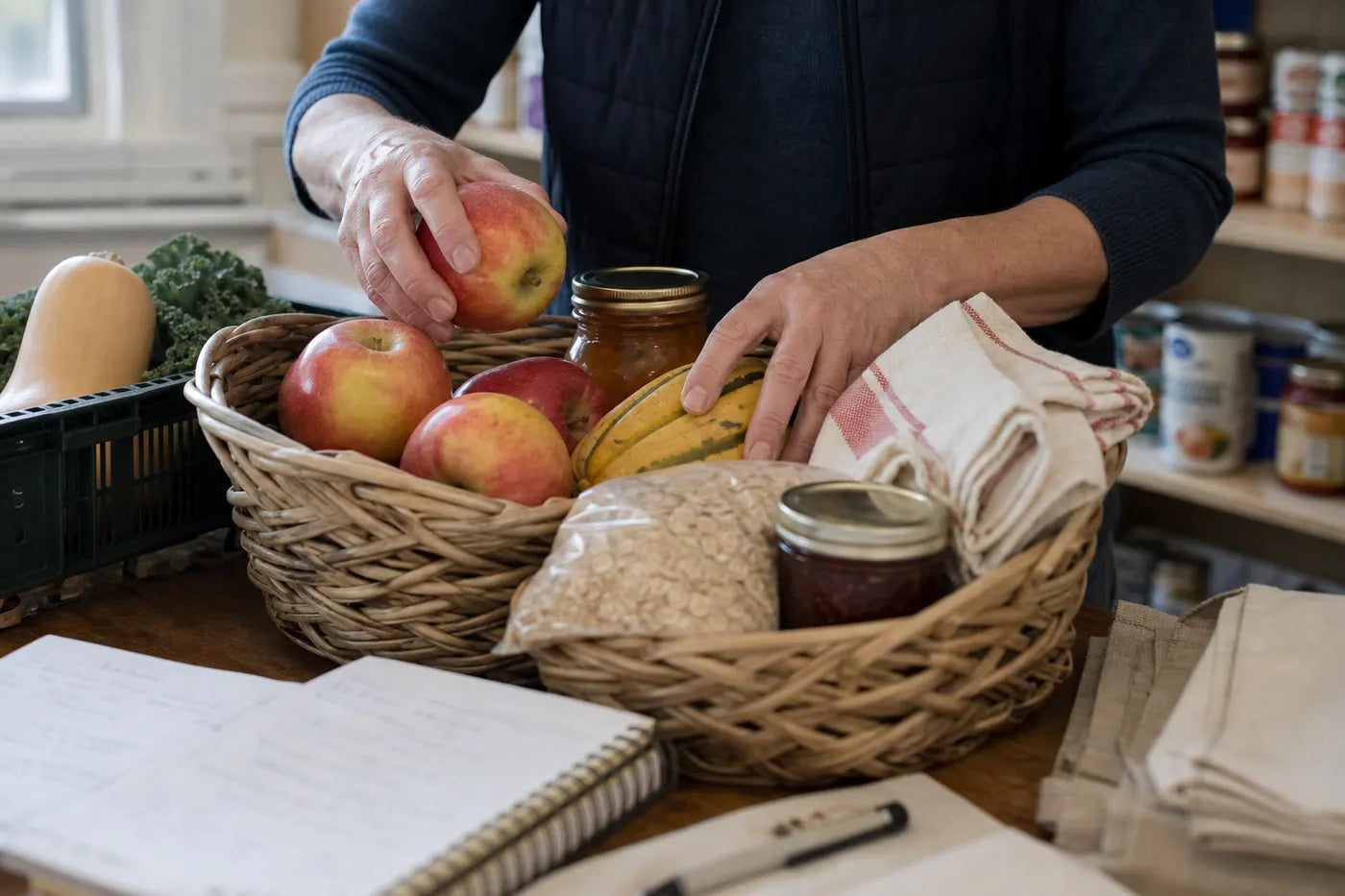
Autumn harvest food prepared for a grounded Mabon observance
Wheel of the Year

Autumn Equinox, Harvest, and Balance: A Grounded Guide to Mabon

Connect autumn-equinox astronomy with harvest, gratitude, reciprocity, preparation, and practical modern Mabon observance.
Autumn equinox landscape illustrating the modern history of Mabon
Wheel of the Year

Why Is the Autumn Equinox Called Mabon? The Modern History of the Name

Understand how Mabon became a modern Pagan name for the autumn equinox and why it should not be presented as an ancient universal Celtic festival.
Hands resting on fresh harvest bread for Lughnasadh and Lammas
Wheel of the Year

Lughnasadh vs Lammas: The Difference Between Two First-Harvest Traditions

Learn why Lughnasadh and Lammas meet in modern Pagan calendars as two rich first-harvest traditions with different languages and stories.
Harvest landscape and gathering place illustrating Lughnasadh history
Wheel of the Year

Lughnasadh, Lugh, and Tailtiu: Games, Assemblies, and Festival History

Explore Lughnasadh through Lugh, Tailtiu, assemblies, games, exchange, and the social meaning of the opening harvest.
Midsummer herbs, water, and safe light for modern Litha practice
Wheel of the Year

Midsummer Traditions: Fire, Water, Herbs, and the Modern Litha Festival

Compare diverse midsummer customs with the modern Pagan Litha festival without flattening distinct cultures into one tradition.
Summer solstice sunlight and a short seasonal shadow
Wheel of the Year

Litha and the Summer Solstice: Why It Is the Longest Day

A clear guide to summer-solstice astronomy, hemisphere differences, daylight, and the modern Pagan meaning of Litha.
Beltane flowers and ribbons used in modern seasonal practice
Wheel of the Year

Beltane Symbols: Flowers, Hawthorn, Ribbons, and Modern Practice

Learn how flowers, hawthorn, ribbons, green branches, and fire function in historical and modern Beltane practice.
Historical Beltane fire traditions and the opening of summer
Wheel of the Year

Beltane Fire Traditions: Cattle, Protection, and the Opening of Summer

Explore the historical role of Beltane fire, cattle protection, seasonal transition, and the difference between evidence and reconstruction.
Spring eggs, flowers, and seasonal symbols associated with modern Ostara
Wheel of the Year

Eostre, Ostara, Eggs, and Hares: What the Historical Evidence Says

Separate Bede’s evidence for Eostre from later claims about Ostara, eggs, hares, and modern spring symbolism.
Earth and sunlight illustrating the spring equinox
Wheel of the Year

Spring Equinox and Ostara: Are Day and Night Really Equal?

Understand the astronomy of the spring equinox, why day and night are only approximately equal, and how this supports grounded Ostara practice.
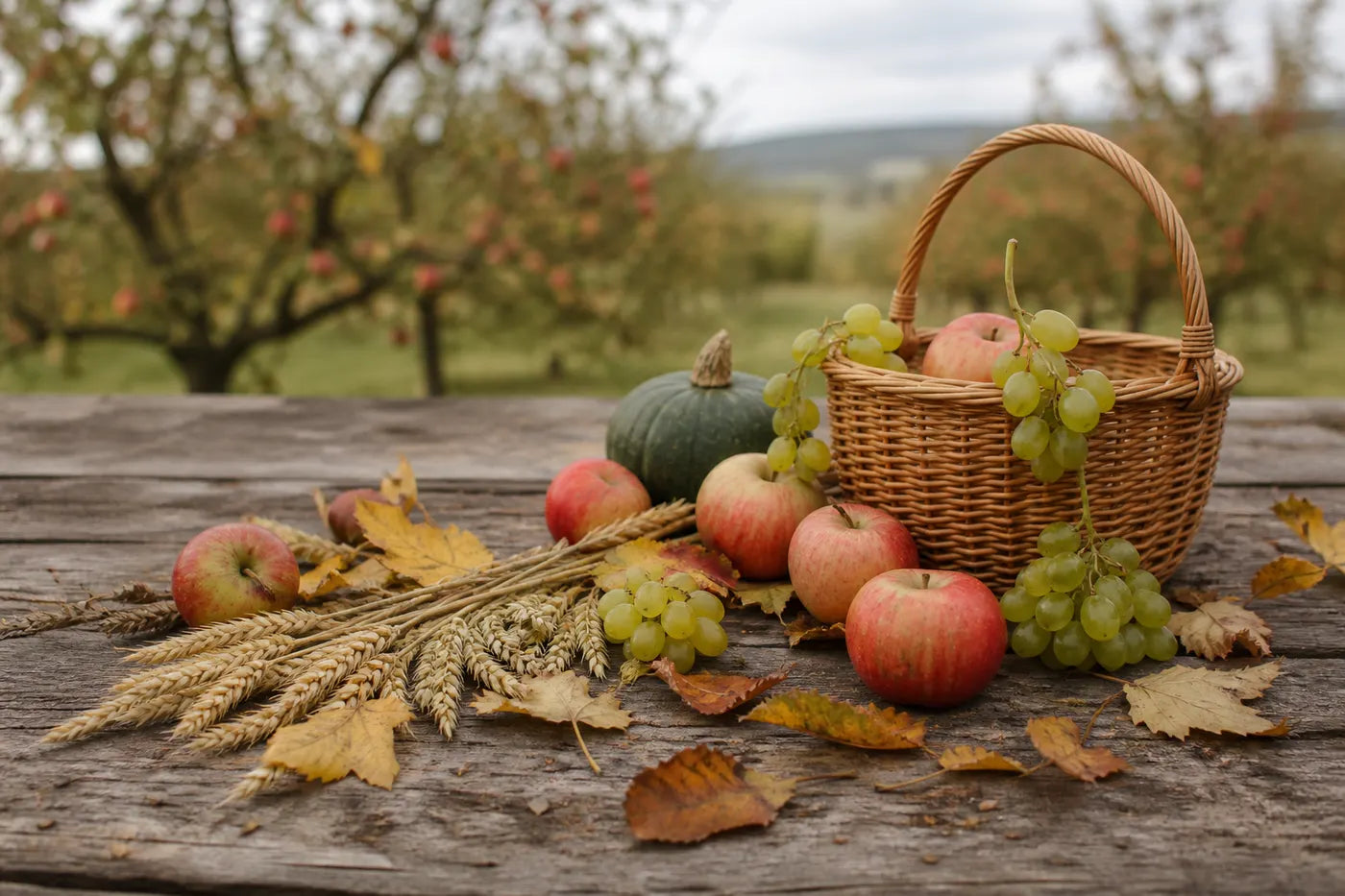
Autumn harvest of apples, grapes, squash and grain on a wooden table
Wheel of the Year

Mabon: Autumn Equinox History, Meaning, and Pagan Practice

A historically careful guide to Mabon and the autumn equinox: modern origins, harvest themes, symbols, and practical observance.
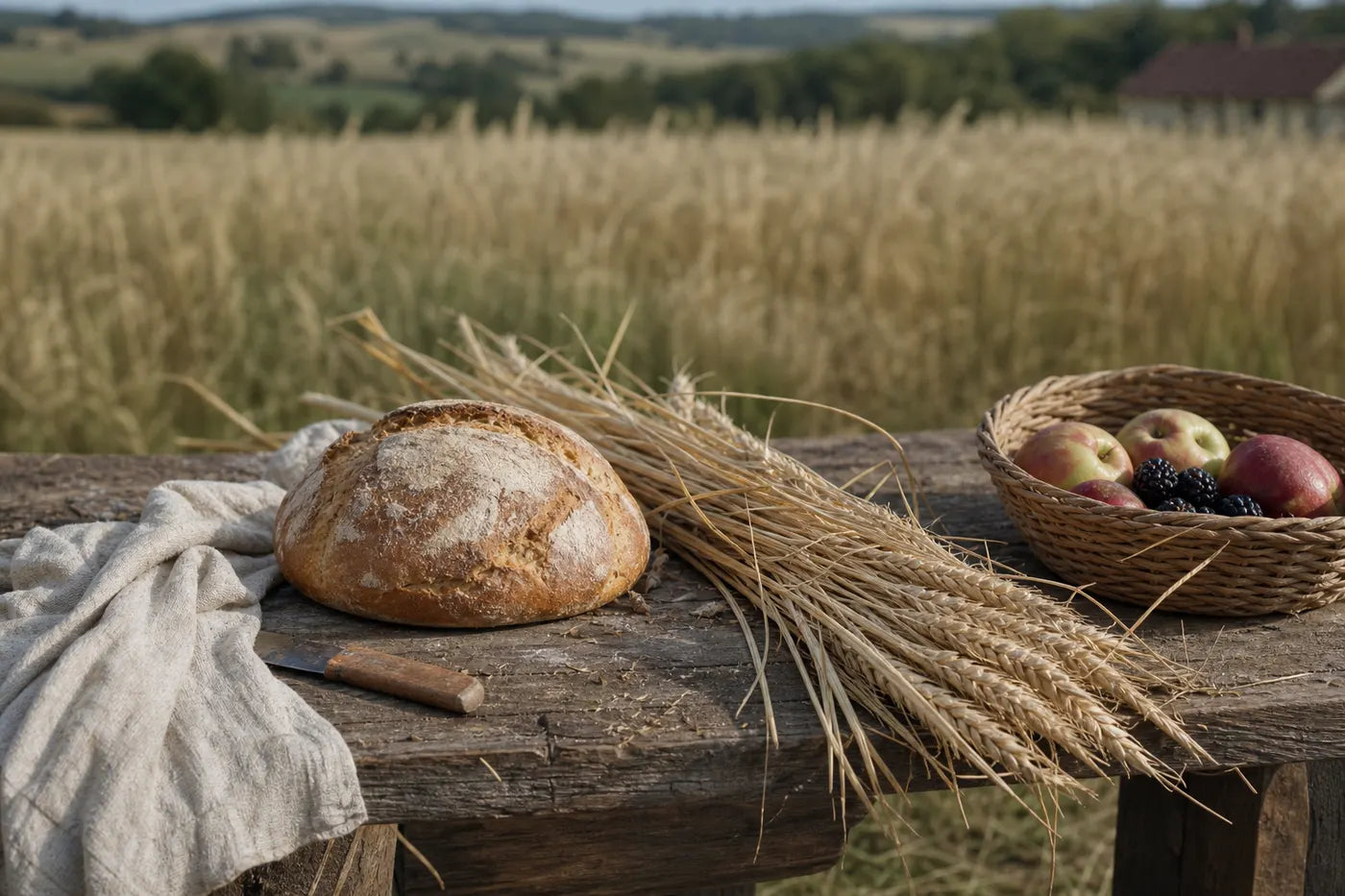
Fresh bread, barley and early fruit beside a late-summer grain field
Wheel of the Year

Lughnasadh: History, Meaning, First Harvest, and Pagan Practice

Learn the history and meaning of Lughnasadh, its links with Lugh, assemblies and first harvest, and practical modern ways to observe it.