
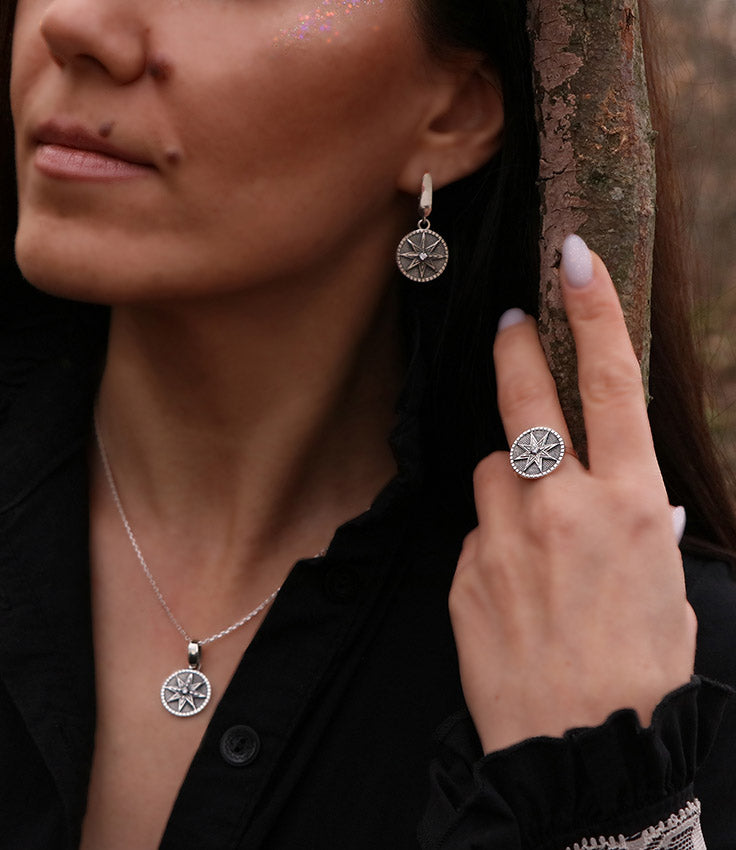
Spring eggs, flowers, and seasonal symbols associated with modern Ostara

Eostre, Ostara, Eggs, and Hares: What the Historical Evidence Says

Separate Bede’s evidence for Eostre from later claims about Ostara, eggs, hares, and modern spring symbolism.

The main early written evidence for Eostre is a short passage by Bede describing an Old English month called Eosturmonath and a goddess whose feasts gave the month its name. It does not describe eggs, hares, an equinox ritual, or a complete ancient festival.

Read the complete Ostara pillar guide or open the interactive Wheel of the Year.

What Bede actually records

Writing in the eighth century, Bede explains that Eosturmonath corresponded roughly to April and had once been named for Eostre. His brief statement is valuable but limited.

Where Ostara comes from

Ostara is a modern festival name shaped by later linguistic scholarship and the development of the contemporary Wheel of the Year. Modern use does not require invented historical certainty.

Eggs and hares

Eggs and hares have broad spring and later Easter associations, but claims that both were universally sacred to Eostre are not established by Bede’s text.

Using the symbols responsibly

Describe eggs, seeds, hares, flowers, and dawn as modern or regional spring symbols unless a specific historical source supports a narrower claim.

What this means for modern practice

Use historical labels carefully, adapt observance to your local season and ability, and distinguish documented custom from reconstruction or personal ritual. This creates a practice that is both meaningful and transparent.

Continue exploring

Sources and further reading

FAQ

The spring equinox is astronomical, but the standardized modern Pagan festival called Ostara is recent. Bede mentioned Eostre and Eosturmonath, yet the evidence does not describe a complete ancient Ostara ritual.

In the Northern Hemisphere, Ostara is usually observed around the March equinox, commonly March 19–23. In the Southern Hemisphere, the corresponding spring season occurs around the September equinox.

Ostara is a modern Pagan celebration of the spring equinox. It commonly focuses on seasonal balance, increasing daylight, renewal, and the first visible signs of growth.

The main early written evidence is Bede’s eighth-century statement that Eosturmonath was named for a goddess called Eostre. It is important but limited and does not describe her myths or rituals.

Bede’s brief reference to Eostre does not mention eggs or hares. Those associations come from later spring folklore, Easter customs, scholarly speculation, and modern Pagan synthesis.

Leave a comment

All comments are moderated before being published.

This site is protected by hCaptcha and the hCaptcha Privacy Policy and Terms of Service apply.