
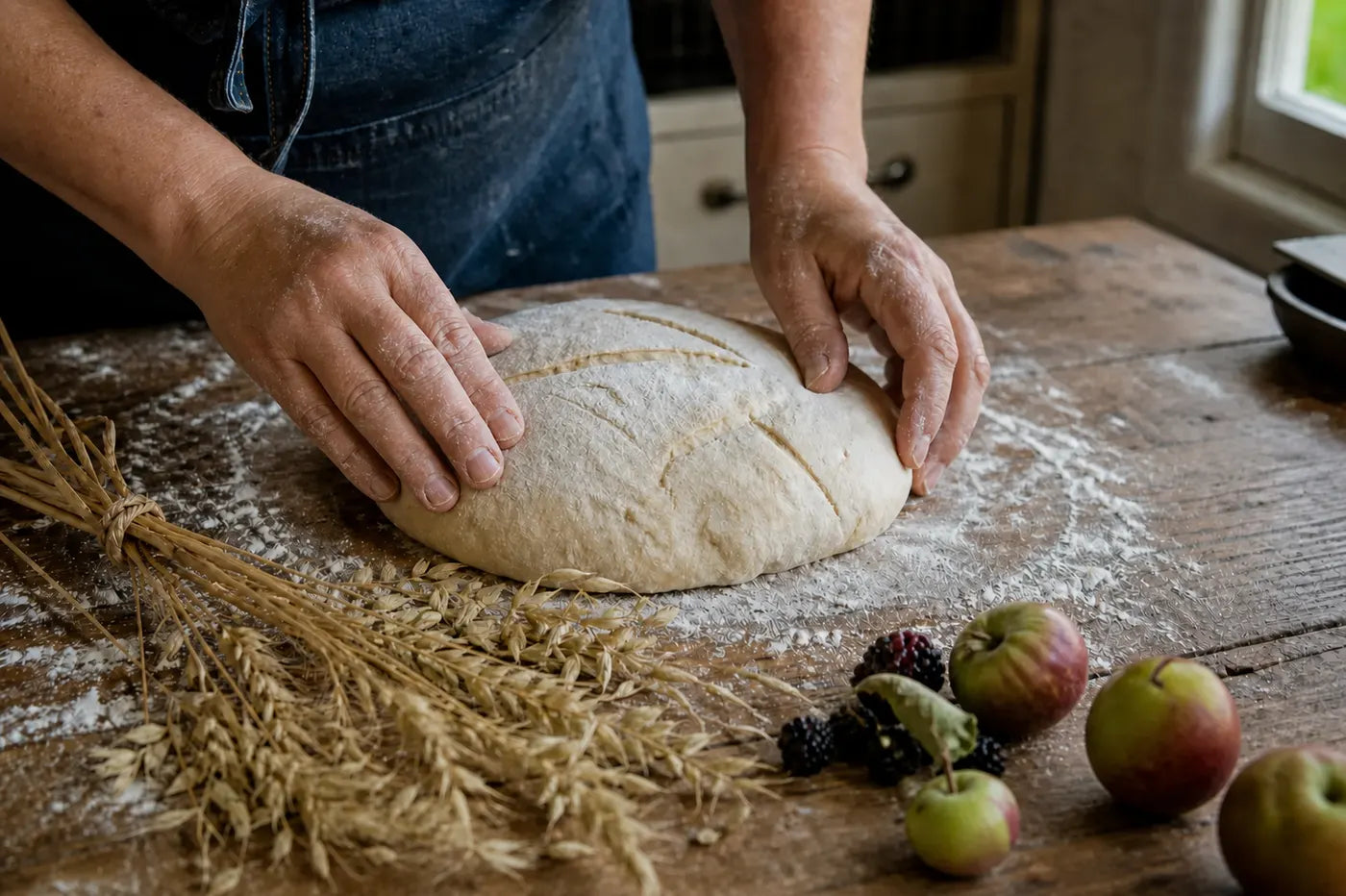
Hands resting on fresh harvest bread for Lughnasadh and Lammas

Lughnasadh vs Lammas: The Difference Between Two First-Harvest Traditions

Learn why Lughnasadh and Lammas are related in modern Pagan calendars but come from different languages and historical settings.

Lughnasadh is a Gaelic festival associated with Lugh and seasonal assemblies. Lammas derives from Old English “loaf mass” and refers to a Christian first-fruits and bread observance. Modern Pagans often connect them, but they are not historically identical names.

Read the complete Lughnasadh pillar guide or open the interactive Wheel of the Year.

Two names, two histories

Lughnasadh belongs to Irish and Gaelic tradition. Lammas belongs to an English linguistic and Christian setting.
Why they are combined today

Both fall around early August and concern opening harvest themes, so modern Wheel calendars frequently place them at the same seasonal point.

Bread is important—but not the whole story

Bread strongly fits Lammas and modern harvest symbolism. Lughnasadh also includes assemblies, games, pilgrimage, trade, and skill.

Choose precise language

You may celebrate a blended modern observance, but identify which practices come from Lughnasadh, Lammas, local harvest life, or personal creation.

What this means for modern practice

Use historical labels carefully, adapt observance to your local season and ability, and distinguish documented custom from reconstruction or personal ritual. This creates a practice that is both meaningful and transparent.

Continue exploring

Sources and further reading

FAQ

They overlap as early-August harvest observances, but their histories differ. Lughnasadh is Gaelic and linked with Lugh and assemblies; Lammas comes from an English Christian loaf-mass tradition.

Lughnasadh is traditionally associated with August 1, although historical gatherings could occur across a wider seasonal period. Southern Hemisphere practitioners often shift the observance by about six months.

Lughnasadh, Lughnasa, or LĂșnasa is a Gaelic festival associated with the opening of harvest, the god Lugh, assemblies, games, exchange, pilgrimage, and the first fruits of sustained work.

Yes, provided the distinction is stated clearly. A modern observance may combine grain, bread, skill, gathering, and gratitude without claiming that the two names always described the same historical festival.

Lughnasadh belongs to Gaelic tradition and is linked with Lugh, assemblies, games, and harvest. Lammas derives from the Old English “loaf mass” and developed within a Christian agricultural calendar.

Leave a comment

All comments are moderated before being published.

This site is protected by hCaptcha and the hCaptcha Privacy Policy and Terms of Service apply.