
The Wheel of the Year

Information layer

Hemisphere
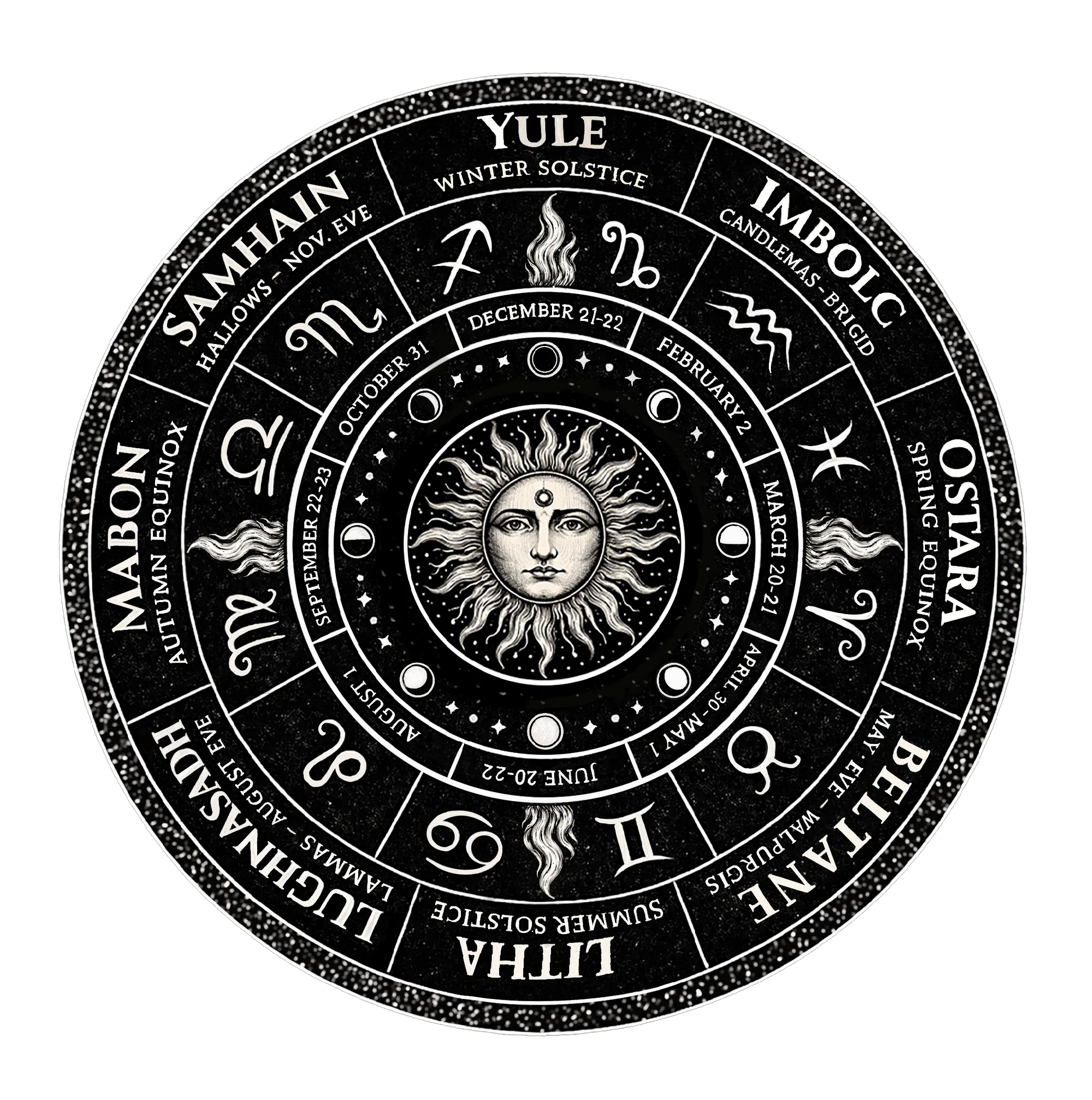
Illustrated Wheel of the Year with eight seasonal festivals, solstices, equinoxes, dates, and zodiac signs

Drag to turn · Select a festival · Change the information layer

Follow a seasonal story

Guided journeys through the year

Choose a curated path when you want more than a filter. Each route turns the Wheel step by step and explains why the next festival matters.

Explore eight seasonal festivals through an interactive year, then open the Knowledge Guide for history, symbols, modern practice, related deities, and deeper reading.

The modern Wheel brings together astronomical turning points, historically distinct festivals, regional traditions, and contemporary Pagan practice. Evidence labels keep those layers visible.

Pagan Festivals

Kupala Night: History, Fire, Water, Plants, and Slavic Traditions

Kupala Night is a layered East and Central European midsummer celebration involving fire, water, plants, courtship, youth customs, and later Christian calendar traditions.
Norse and Germanic

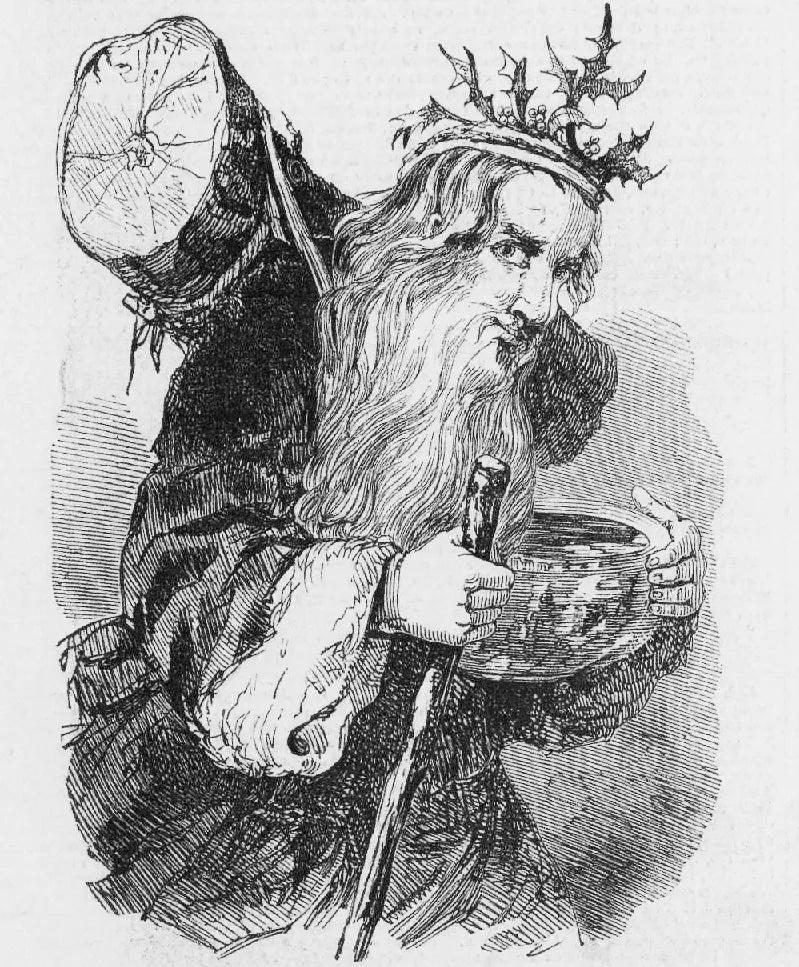
Historical Jól or Yule: Feasting, Oaths, and Germanic Midwinter

Historical Jól was a Germanic midwinter festival complex associated in surviving sources with feasting, drinking, vows, kinship, rulers, gods, and the maintenance of social bonds.
Egyptian

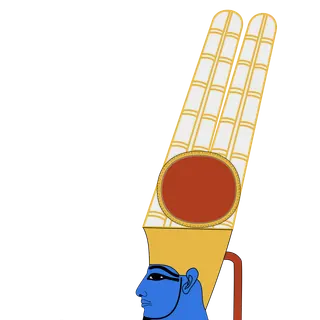
The Opet Festival: Amun, Karnak, Luxor, and Royal Renewal

Opet was a major Theban festival in which divine images travelled between Karnak and Luxor, renewing relationships among Amun, the royal institution, the city, and the divine family.
Mesopotamian

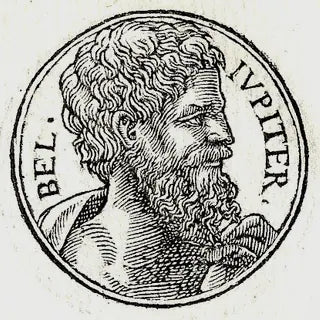
Akitu: The Mesopotamian New Year, Marduk, Kingship, and Cosmic Order

Akitu was a long-lived Mesopotamian festival complex whose date, deity, and ritual form varied by city and period. Babylonian Akitu became strongly associated with Marduk, royal renewal, procession...
Greek

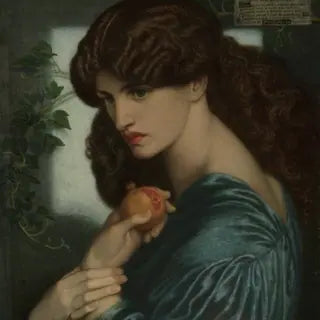
The Eleusinian Mysteries: Demeter, Persephone, and What We Actually Know

The Eleusinian Mysteries were major Greek initiatory rites for Demeter and Persephone. Public processions and material evidence survive, but initiates kept central experiences secret.
Greek

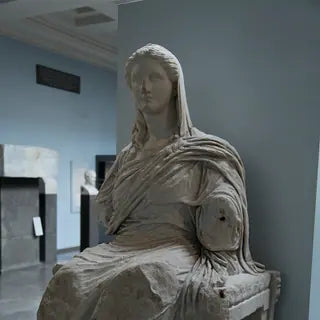
Thesmophoria: Demeter, Persephone, Women, and Civic Fertility

Thesmophoria was a Greek women’s festival for Demeter and Persephone associated with agriculture, fertility, fasting, civic continuity, and rites whose details varied and were not fully public.
Greek

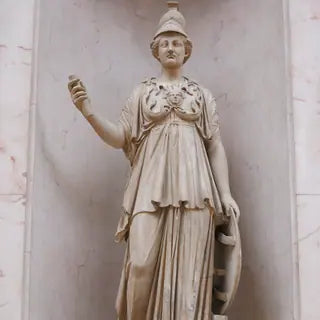
Panathenaia: Athena, the Peplos, Procession, and Games

The Panathenaia was Athens’ great civic festival for Athena, joining procession, sacrifice, woven cloth, music, athletics, craft, and the public identity of the city.
Greek

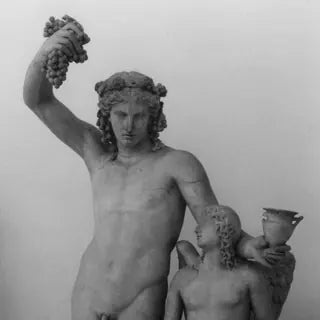
Anthesteria: Dionysus, New Wine, Children, and the Dead

Anthesteria was a three-day Athenian festival of Dionysus linked with opening new wine, household and civic rites, children, boundaries, and the uneasy presence of the dead.
Pagan Festivals

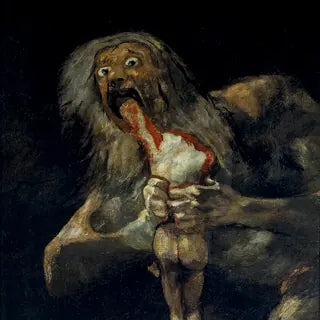
Saturnalia: History, Dates, Customs, and the Roman Festival of Saturn

Saturnalia was a Roman festival of Saturn marked by public rites, feasting, gifts, gambling, and temporary social license. Its customs changed over centuries and should not be reduced to “Roman Chr...
Pagan Festivals

Is the Wheel of the Year Ancient? The Modern History of the Eight Sabbats

A careful history of how the modern eight-sabbat Wheel combined solstices, equinoxes, and Gaelic seasonal festivals.
Pagan Festivals

The Wheel of the Year in the Southern Hemisphere

How to adapt the Wheel of the Year to Southern Hemisphere seasons without erasing ancestry, community, or local ecology.
Pagan Festivals

Mabon Rituals, Altar, Colors, and Harvest Traditions

Create a grounded autumn-equinox practice through harvest, inventory, reciprocity, preparation, and transparent modern symbolism.