

Medieval Irish sources connect Lughnasadh with Lugh and with major assemblies. Traditions concerning Tailtiu describe games held in her honor, while later gatherings combined competition, exchange, legal business, matchmaking, and pilgrimage.
Read the complete Lughnasadh pillar guide or open the interactive Wheel of the Year.
Lugh and the festival name
The Irish name Lúnasa preserves Lugh’s name, but that does not make him simply a grain god. His stories emphasize skill, sovereignty, conflict, and mastery.
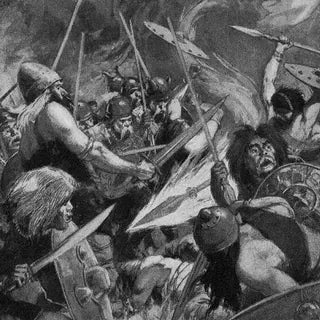
Tailtiu and funeral games
Narratives link the assembly with Tailtiu and commemorative games. Mythic explanation and documented historical gatherings should be distinguished.
Assemblies as social infrastructure
Seasonal gatherings supported trade, law, sport, courtship, politics, and community connection in addition to harvest meaning.
Modern practice through skill
A craft demonstration, game, market visit, shared meal, or support for a local producer can reflect the festival’s wider social themes.
What this means for modern practice
Use historical labels carefully, adapt observance to your local season and ability, and distinguish documented custom from reconstruction or personal ritual. This creates a practice that is both meaningful and transparent.

