

Lughnasadh, also written Lughnasa or Lúnasa, is a Gaelic festival marking the opening of the harvest season. It is associated with the god Lugh, large assemblies, games, trade, exchange, and the first fruits of sustained work.
Open the interactive Wheel of the Year to compare this festival with all eight seasonal points.
Lughnasadh at a glance
- Traditional date: August 1 or nearby gatherings
- Southern seasonal counterpart: commonly observed around February 1
- Festival type: Gaelic harvest and assembly festival
- Core themes: first harvest, skill, reciprocity, work brought to fruition
- Evidence note: historically documented festival with varied regional practice
What is Lughnasadh?
Medieval Irish sources connect Lughnasadh with the god Lugh and with major assemblies. Traditions about Tailtiu describe funeral games held in her honor, while historical gatherings included competition, exchange, legal business, matchmaking, and communal activity. The Irish name of August, Lúnasa, preserves the festival name.
The festival was not only about grain. In an agricultural society, the opening harvest was a moment of relief, risk, obligation, and exchange. Pilgrimages, fairs, hilltop gatherings, athletic contests, and first-fruit customs varied across regions and centuries.
Lammas, from the Old English idea of “loaf mass,” is a related early-August harvest observance with a different linguistic and historical background. Modern Pagans may connect them, but a careful account does not treat the names as perfectly interchangeable.
Meaning and seasonal themes
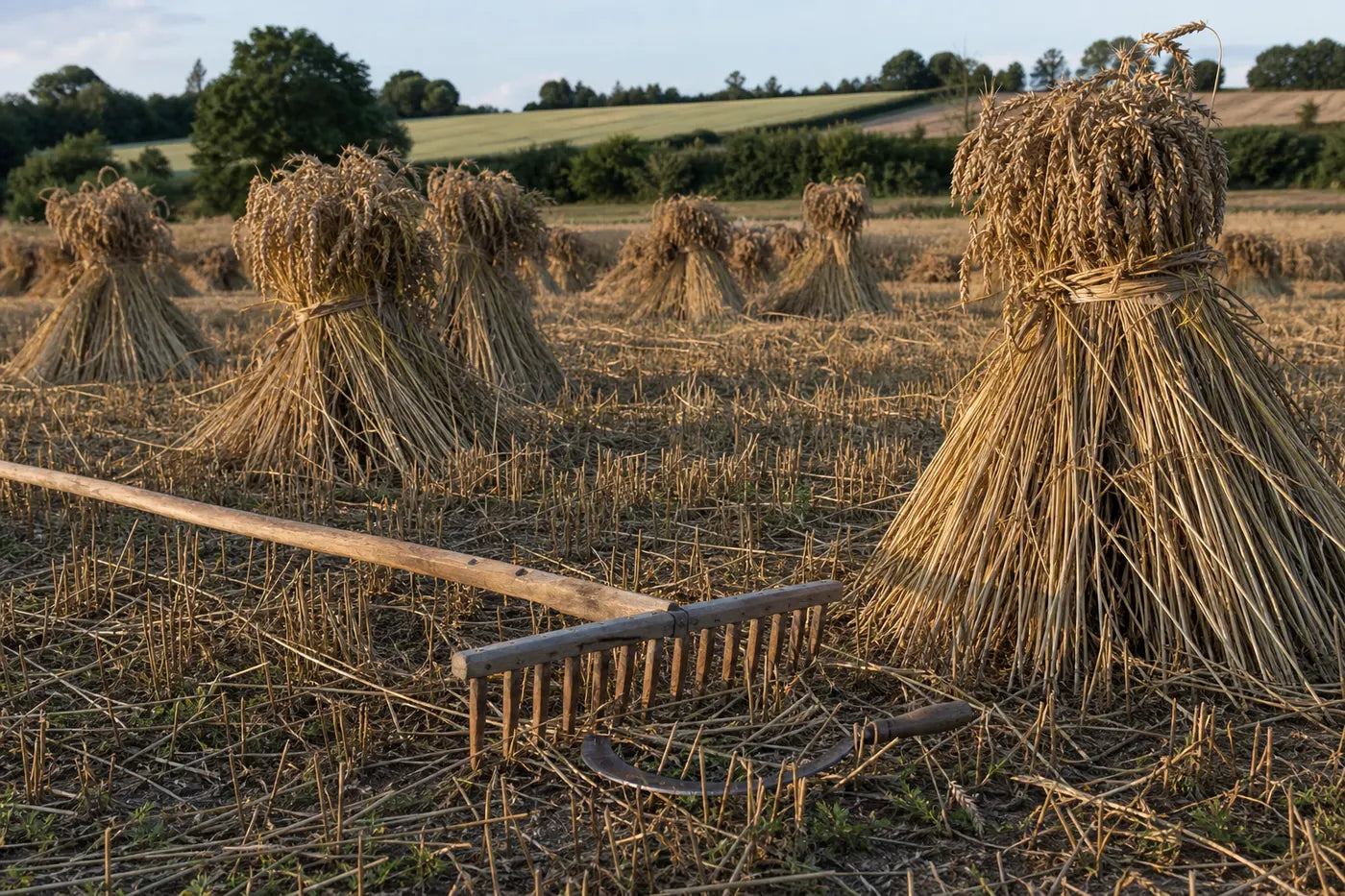
Lughnasadh asks what has become usable through skill and sustained effort. The first harvest is not the end of the agricultural year; it is the first evidence that labor, weather, land, and community have produced something that can be shared.
This creates a strong modern theme of reciprocity. No harvest is individual. Food depends on soil, water, seed, growers, transport, and care. Creative projects similarly depend on teachers, tools, collaborators, and time.
Symbols and correspondences
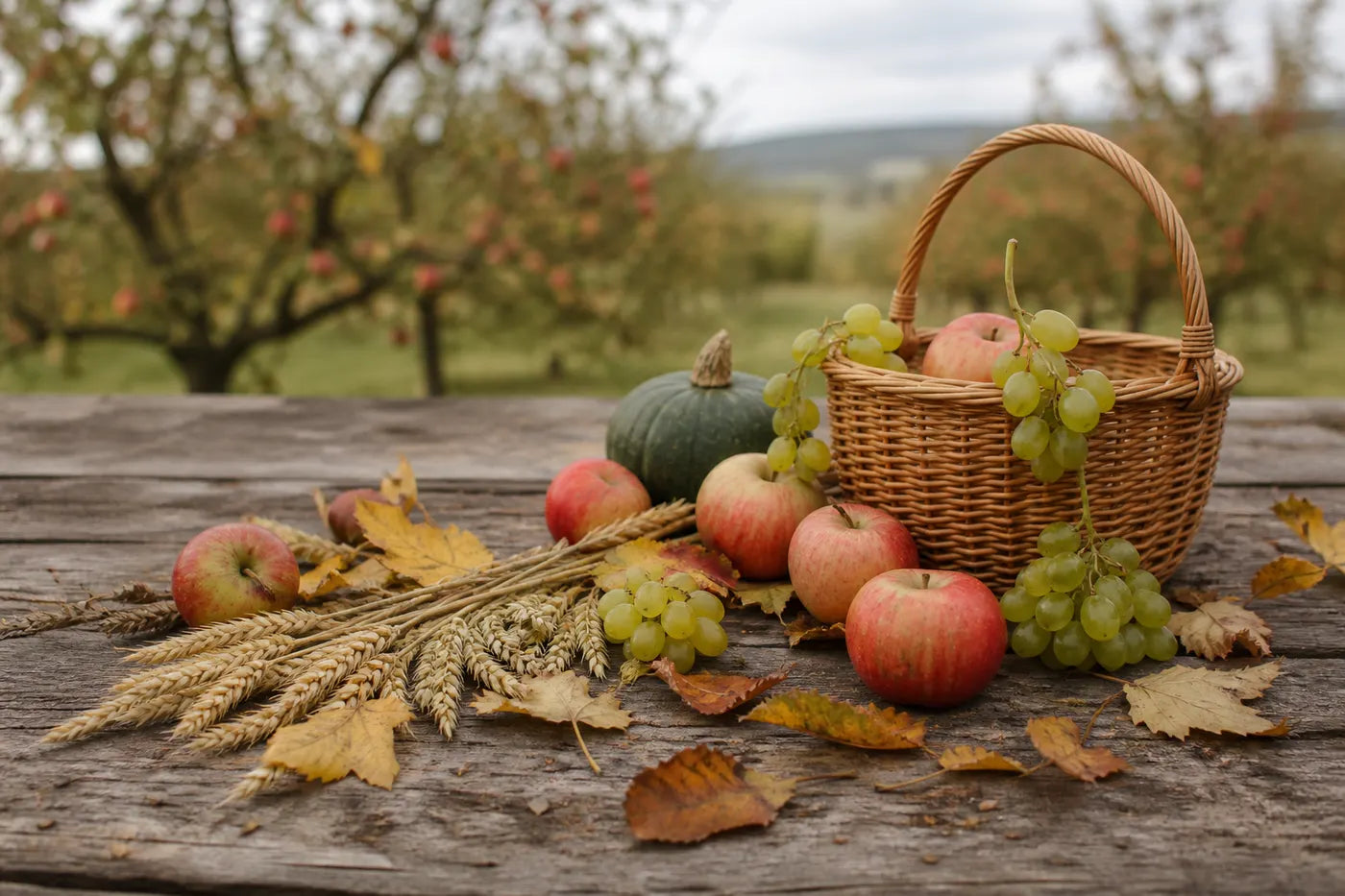
- Grain and bread - first harvest and shared sustenance
- Craft tools - skill practiced over time
- Spears - a modern and mythic association with Lugh
- Markets and gatherings - exchange, community, and public skill
- Berries and early apples - locally available first fruits
Associated deities and cultural context
Lugh and Tailtiu are central to many Lughnasadh narratives. Their stories should be approached through Irish sources rather than blended automatically with unrelated harvest deities from other cultures.
How to observe Lughnasadh today
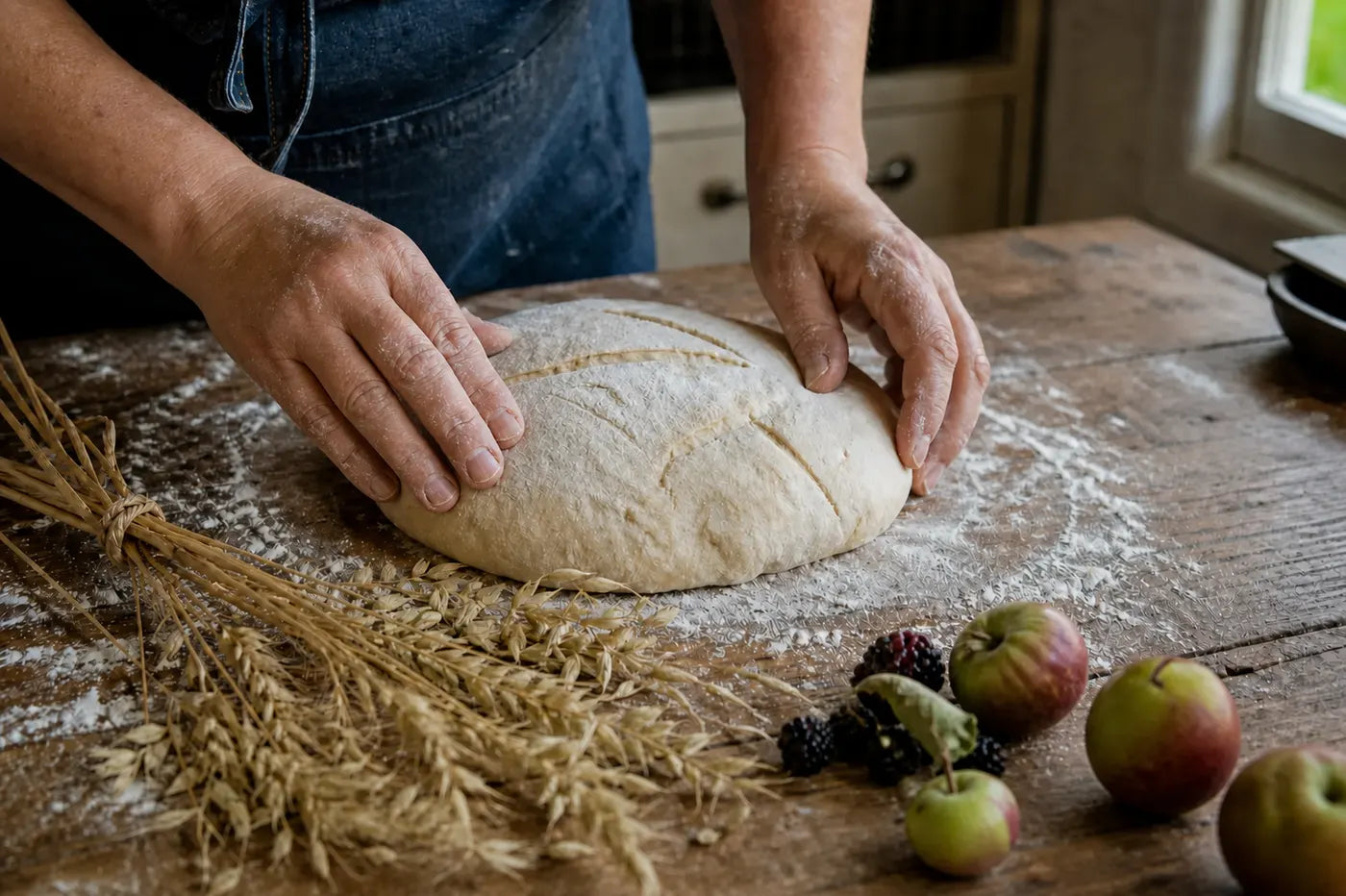
- Bake or buy bread and learn where its grain was grown.
- Support a local grower, maker, or food-sharing program.
- Demonstrate or teach a skill you have practiced.
- Review a long project: what is ready to share, and what still needs work?
- Hold a small game, walk, craft gathering, or communal meal.
Choose practices that fit your climate, tradition, ability, and household. Avoid unsafe fire, unsustainable plant gathering, and claims that one modern correspondence was universal in the ancient world.
Northern and Southern Hemispheres
The Wheel describes seasonal relationships, not one fixed global weather pattern. Many Southern Hemisphere practitioners shift the festival by roughly six months so that its meaning follows the local season. Others keep ancestral or community dates. The most useful approach is to state clearly which calendar you follow and observe what is actually happening in your local ecology.
A harvest richer than bread alone
Lughnasadh is far richer than bread alone. Lugh brings mastery, assemblies, competition, exchange, and seasonal gathering into the harvest current. Bread remains a meaningful modern symbol alongside the fuller context.