

Mabon is a modern Pagan name for an autumn-equinox celebration centered on harvest, gratitude, balance, and preparation for the darker season. The equinox is astronomical, and harvest customs are ancient and widespread, but Mabon was not a universal ancient Celtic name for the equinox.
Open the interactive Wheel of the Year to compare this festival with all eight seasonal points.
Mabon at a glance
- Seasonal point: autumn equinox
- Northern Hemisphere: usually September 20-24
- Southern Hemisphere: usually March 19-23
- Core themes: harvest, gratitude, balance, preparation
- Evidence note: modern Pagan festival; older harvest traditions are culturally distinct
What is Mabon?
At the autumn equinox, the Sun crosses the celestial equator and illuminates the two hemispheres nearly equally. In the Northern Hemisphere this marks the astronomical transition toward autumn; in the Southern Hemisphere the same September event marks spring. The seasonal meaning therefore depends on location.
Harvest festivals and thanksgiving customs are historically widespread, but they belong to many different cultures and calendars. The use of Mabon as a standardized name for the modern Pagan autumn equinox became common in the twentieth century. It draws on the name Mabon ap Modron from Welsh literature, but the medieval figure was not originally the presiding deity of an ancient autumn-equinox festival.
Modern Pagan practice can still use the name meaningfully. Historical accuracy does not make a living tradition less valuable; it clarifies which parts are astronomical, inherited from specific cultures, or newly composed.

Meaning and seasonal themes
Mabon is a point for taking inventory. What did the year produce? What must be stored, shared, repaired, or released before conditions change? Gratitude becomes most useful when it is joined to reciprocity and practical preparation.
Balance at the equinox is temporary rather than static. The day passes through equilibrium and continues. This makes the festival a good time to adjust commitments rather than pursue an impossible permanent balance.
Symbols and correspondences
- Apples and grapes - seasonal harvest in many regions
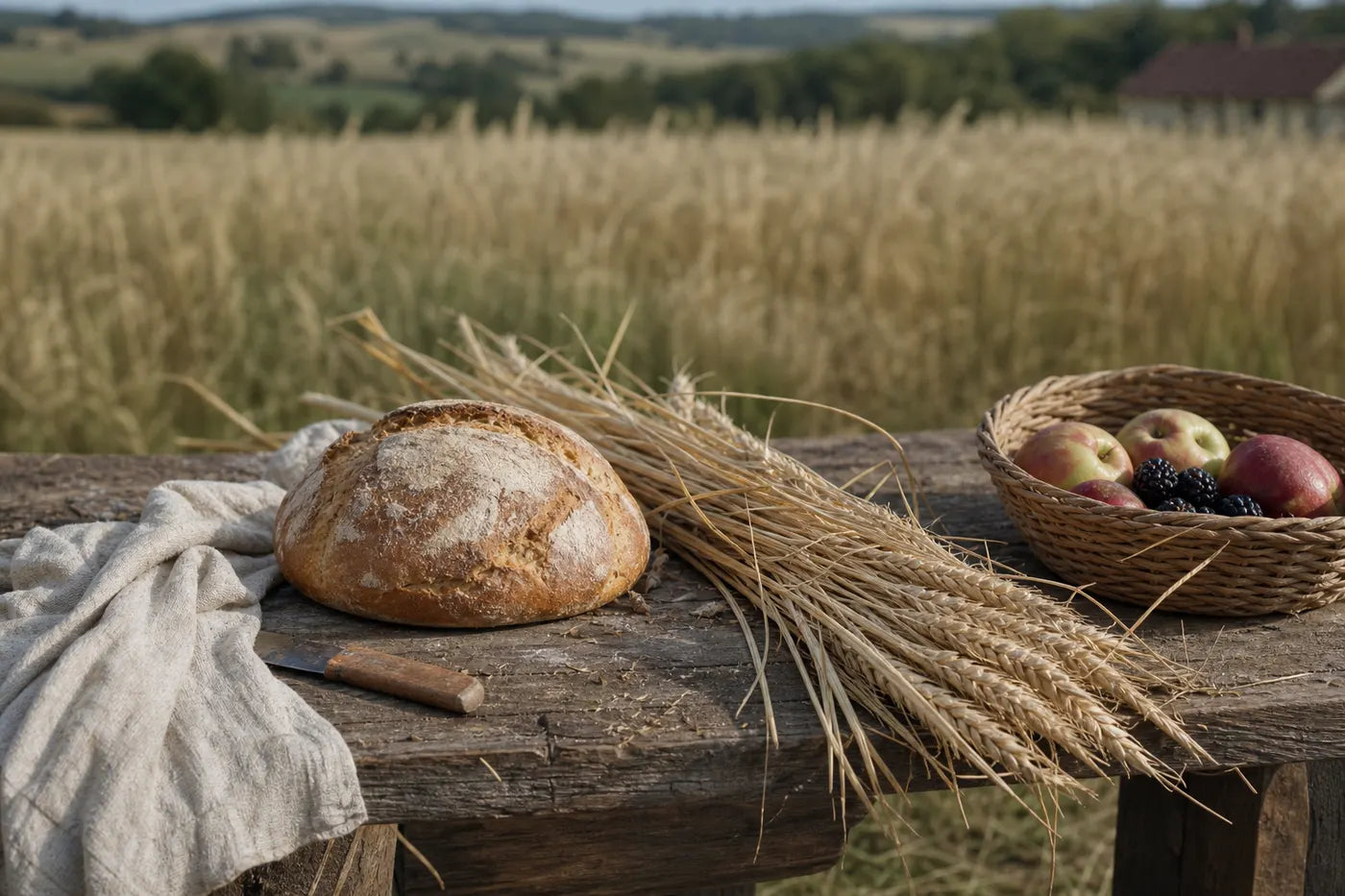
- Grain and bread - stored work and shared food
- Scales - a modern symbol of equinox balance
- Autumn leaves - visible transition and release
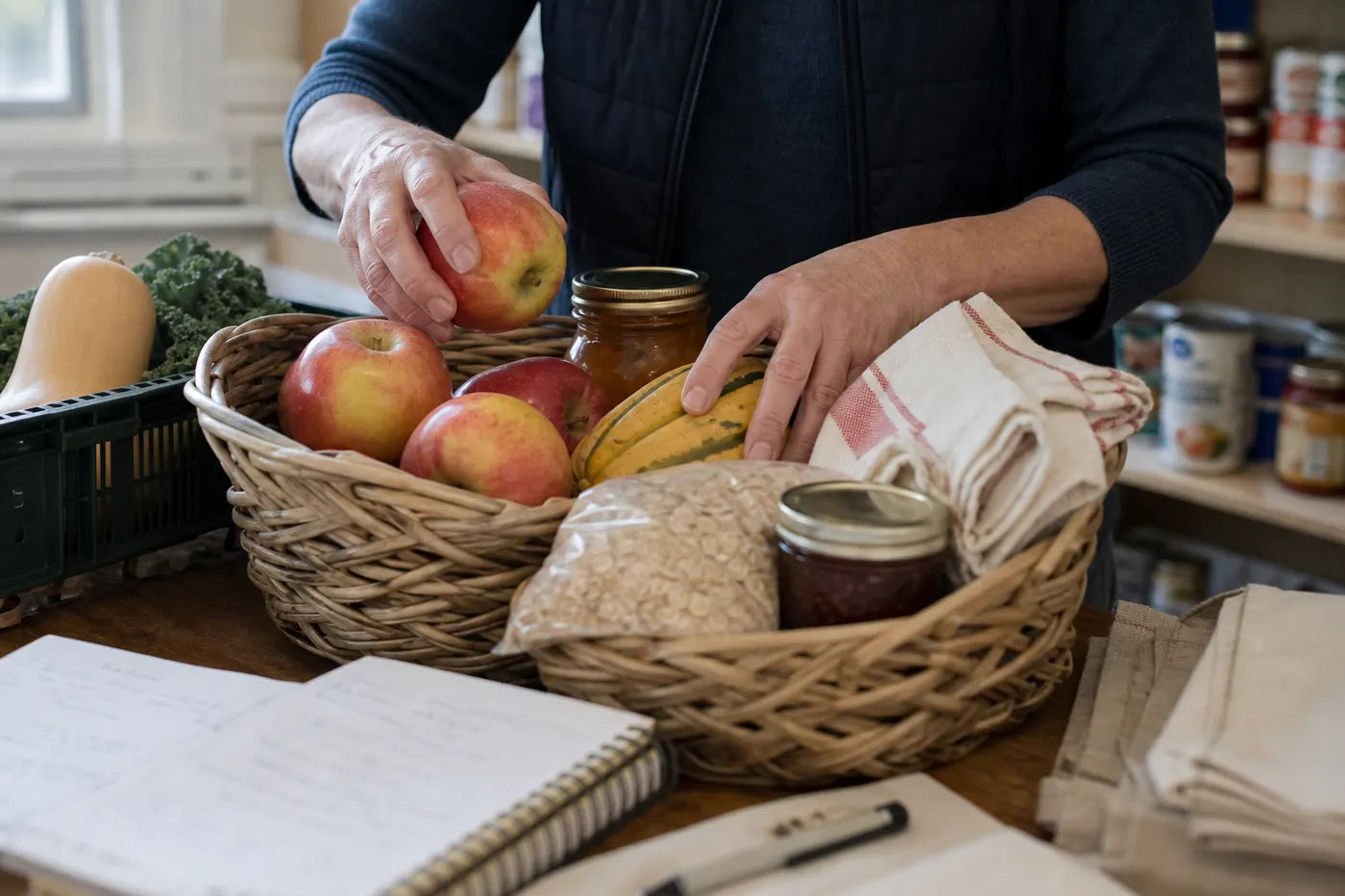
- Baskets and storage vessels - preparation for the coming season
Associated deities and cultural context
Modern practitioners may associate Demeter, Persephone, harvest figures, or Mabon ap Modron with the season. These are modern or tradition-specific choices, not proof of a single ancient equinox pantheon. Preserve each figure’s actual mythology and cultural context.
How to observe Mabon today
- Prepare a meal from seasonal produce and identify its sources.
- Donate food, money, or time to a local food-support organization.
- Record what your work produced this year and who helped make it possible.
- Repair, store, preserve, or organize something needed for the coming season.
- Create a short gratitude practice that includes a concrete act of reciprocity.
Choose practices that fit your climate, tradition, ability, and household. Avoid unsafe fire, unsustainable plant gathering, and claims that one modern correspondence was universal in the ancient world.
Northern and Southern Hemispheres
The Wheel describes seasonal relationships, not one fixed global weather pattern. Many Southern Hemisphere practitioners shift the festival by roughly six months so that its meaning follows the local season. Others keep ancestral or community dates. The most useful approach is to state clearly which calendar you follow and observe what is actually happening in your local ecology.
How an old harvest received a new name
Mabon gives a modern ritual name to very old autumn harvest traditions and draws poetic resonance from the Welsh figure Mabon ap Modron. These layers enrich contemporary observance.