

Ostara is a modern Pagan celebration of the spring equinox. It focuses on seasonal balance, awakening, new growth, and the increasing strength of daylight. The equinox is astronomical; the name and ritual form used by many Pagans today are modern and should not be presented as one continuously preserved ancient festival.
Open the interactive Wheel of the Year to compare this festival with all eight seasonal points.
Ostara at a glance
- Seasonal point: spring equinox
- Northern Hemisphere: usually March 19-23
- Southern Hemisphere: usually September 19-23
- Core themes: balance, emergence, growth, possibility
- Evidence note: modern Pagan festival with limited evidence for direct historical continuity
What is Ostara?
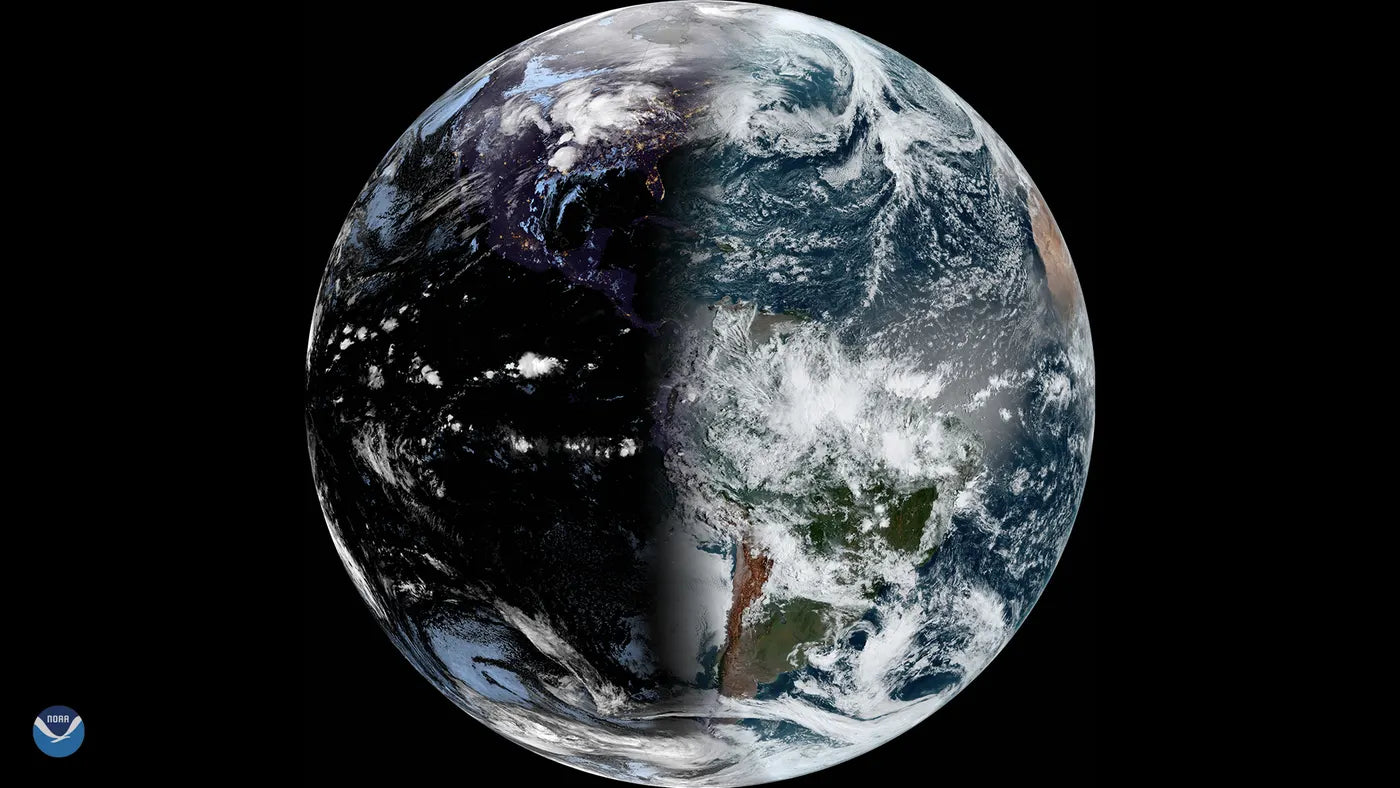
The spring equinox occurs when the Sun crosses the celestial equator and the two hemispheres receive nearly equal illumination. Day and night are often described as equal, although atmospheric refraction, latitude, and the way sunrise and sunset are measured mean they are not exactly twelve hours everywhere.
The name Ostara is usually connected with the eighth-century scholar Bede. In The Reckoning of Time, Bede described an Old English month called Eosturmonath and linked its name with a goddess called Eostre. That short passage is important evidence, but it does not provide a complete ancient ritual calendar or establish that modern Ostara customs were continuously practiced from the early medieval period.
Modern Pagan and Wiccan communities developed the equinox observance as part of the eight-festival Wheel of the Year. This makes Ostara meaningful as a living modern tradition while still allowing its historical claims to be described accurately.
Meaning and seasonal themes
Ostara is a useful point for noticing balance in motion rather than perfect stillness. From the equinox onward, daylight grows in the Northern Hemisphere and diminishes in the Southern Hemisphere. Seeds, shoots, nests, rain, and changing animal activity can make the seasonal shift locally visible.
The festival can also mark beginnings that require patience. A seed is not a finished harvest; it is a commitment to sustained care. This makes Ostara suitable for choosing one realistic intention and identifying the repeated action that will help it grow.
Symbols and correspondences
- Seeds and new shoots - potential that needs care
- Eggs - life, emergence, and seasonal renewal
- Dawn and the rising Sun - increasing light
- Spring flowers - local signs of change
- Hares - a popular modern association; the hare now carries a widely loved current of spring vitality in Ostara practice
Associated deities and cultural context
Some modern practitioners honor Eostre, dawn figures, or deities connected with spring in their own traditions. Similar seasonal themes do not make deities from different cultures interchangeable. Use the name, sources, and cultural context of any deity you approach.
How to observe Ostara today
- Watch sunrise or sunset and record the local length of daylight.
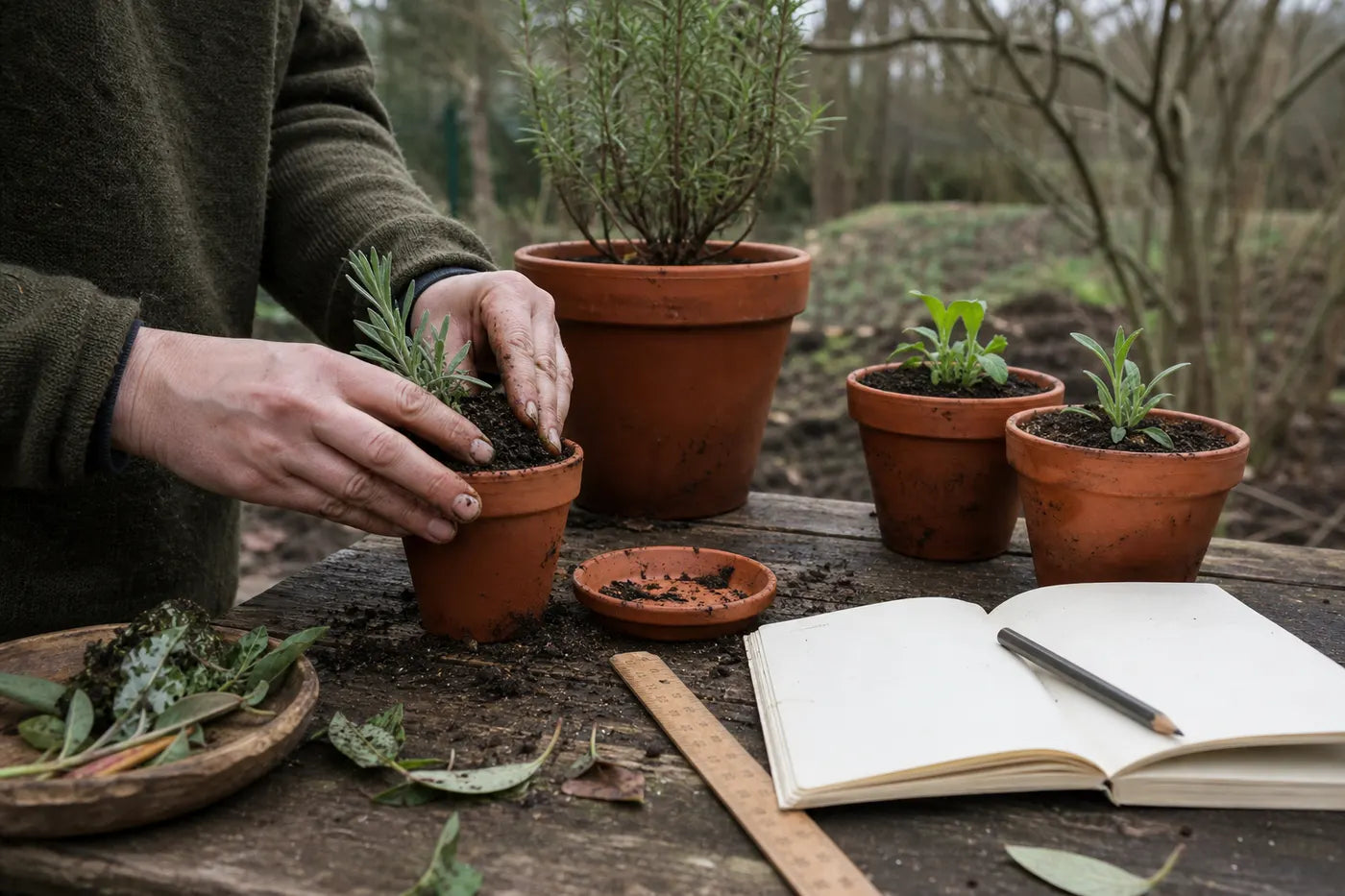
- Plant something appropriate to your climate or begin a small habitat-friendly garden task.
- Clean one working area and dedicate it to a new project.
- Create a simple balance reflection: what needs more attention, and what needs less?
- Prepare seasonal food without assuming that imported symbols represent every local spring.
Choose practices that fit your climate, tradition, ability, and household. Avoid unsafe fire, unsustainable plant gathering, and claims that one modern correspondence was universal in the ancient world.
Northern and Southern Hemispheres
The Wheel describes seasonal relationships, not one fixed global weather pattern. Many Southern Hemisphere practitioners shift the festival by roughly six months so that its meaning follows the local season. Others keep ancestral or community dates. The most useful approach is to state clearly which calendar you follow and observe what is actually happening in your local ecology.
A living tradition with many layers
Modern Ostara is a living spring festival that combines an astronomical equinox, Bede’s brief account, later seasonal customs, and contemporary Pagan practice.