
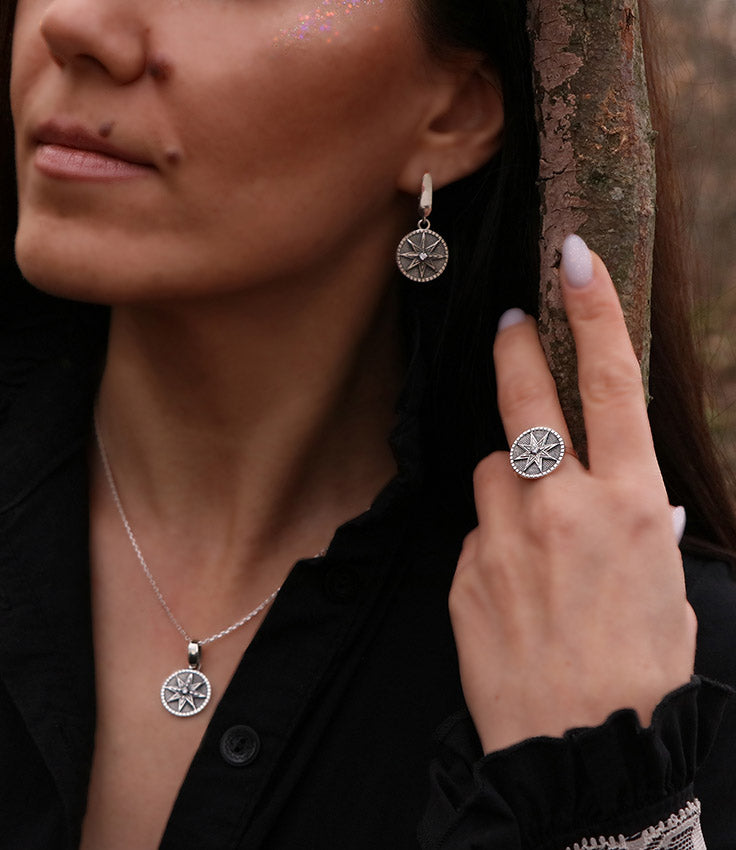
Beltane flowers and ribbons used in modern seasonal practice

Beltane Symbols: Flowers, Hawthorn, Ribbons, and Modern Practice

Learn how flowers, hawthorn, ribbons, green branches, and fire function in historical and modern Beltane practice.

Beltane symbols combine documented May customs with modern Pagan interpretation. Flowers, hawthorn, green branches, ribbons, fire, and communal movement all evoke summer’s arrival, but their histories are not identical.

Read the complete Beltane pillar guide or open the interactive Wheel of the Year.

Flowers and green branches

May greenery marks visible seasonal change. Use locally abundant plants and avoid stripping wild habitats for decoration.
Hawthorn and cultural context

Hawthorn appears in regional May customs and folklore. It should be approached as a living plant and cultural symbol, not a generic ingredient list.

Ribbons and the maypole

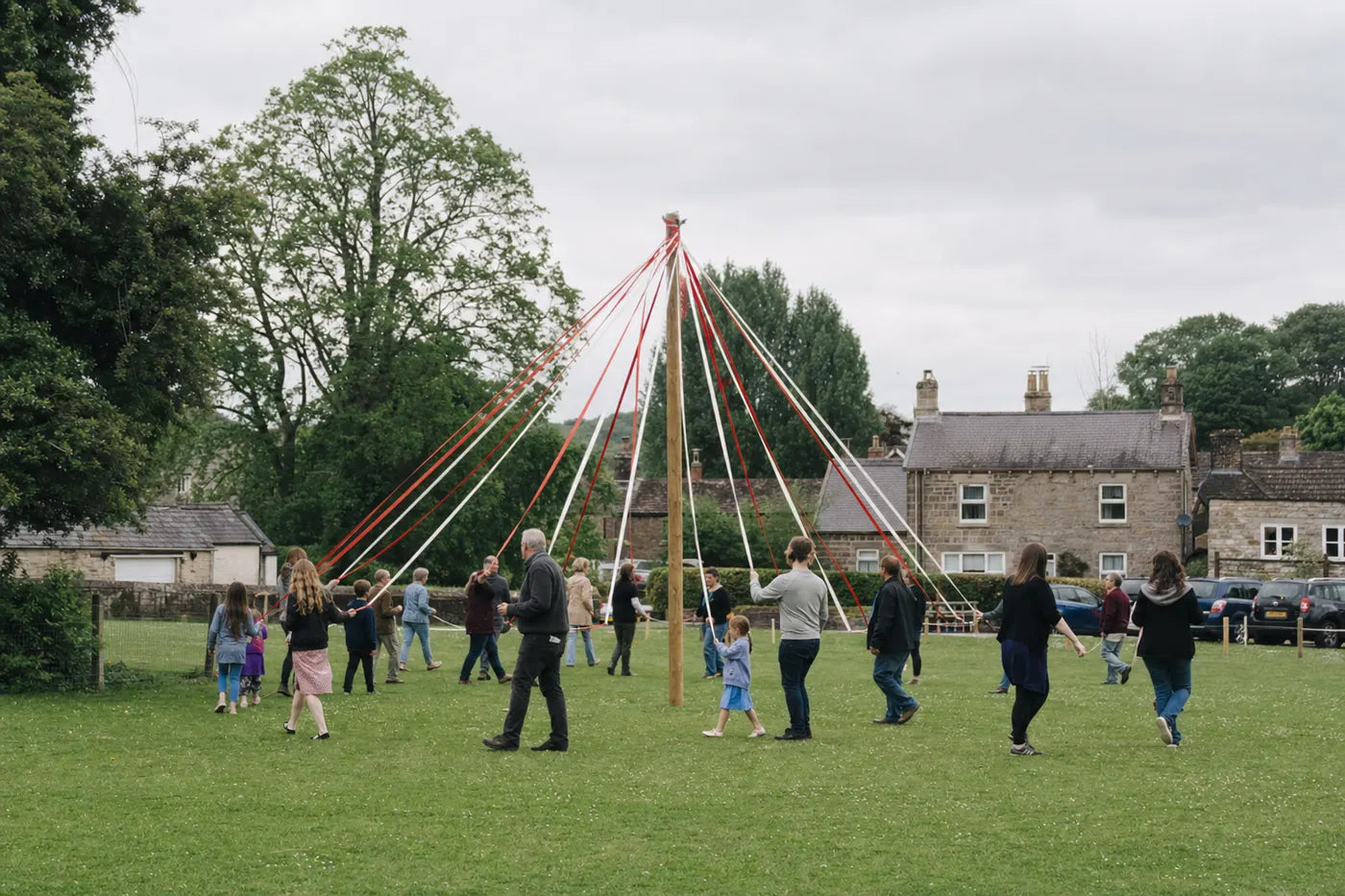
Ribbon and maypole customs have varied European histories. Modern Pagan use is meaningful when it avoids claiming one single prehistoric origin.

Designing a modern observance

Choose one theme—protection, vitality, community, or creativity—and build a simple, consensual, ecologically responsible practice around it.

What this means for modern practice

Use historical labels carefully, adapt observance to your local season and ability, and distinguish documented custom from reconstruction or personal ritual. This creates a practice that is both meaningful and transparent.

Continue exploring

Sources and further reading

FAQ

Recorded Beltane customs used fire and smoke for seasonal transition and protection, especially in relation to cattle. Modern fire practice should follow local law and safety guidance; a candle or lamp can carry the symbolism.

Beltane is traditionally associated with May 1 and often begins on the preceding evening. Southern Hemisphere practitioners commonly shift the seasonal observance by about six months.

Beltane, or Bealtaine, is a Gaelic May festival associated with the opening of summer. Historical themes include protective fire, livestock, household welfare, flowers, wells, and communal gathering.

Only where gathering is legal, abundant, and ecologically responsible. Hawthorn has strong regional folklore, but leaving blossoms for pollinators or using a fallen branch can be the better practice.

Flowers and green branches visibly mark the opening of summer and appear in regional May customs. Modern practitioners often use them for vitality, beauty, welcome, and community.

Leave a comment

All comments are moderated before being published.

This site is protected by hCaptcha and the hCaptcha Privacy Policy and Terms of Service apply.