

Historical Beltane fire traditions and the opening of summer

Beltane Fire Traditions: Cattle, Protection, and the Opening of Summer

Explore the historical role of Beltane fire, cattle protection, seasonal transition, and the difference between evidence and reconstruction.

Historical Beltane customs emphasize the opening of summer, household and livestock protection, communal fire, and the movement of cattle toward seasonal pasture. Fire was protective as well as celebratory.

Read the complete Beltane pillar guide or open the interactive Wheel of the Year.

A Gaelic seasonal threshold

Beltane belongs to Gaelic seasonal tradition and was observed in Ireland, Scotland, and the Isle of Man with regional variation.
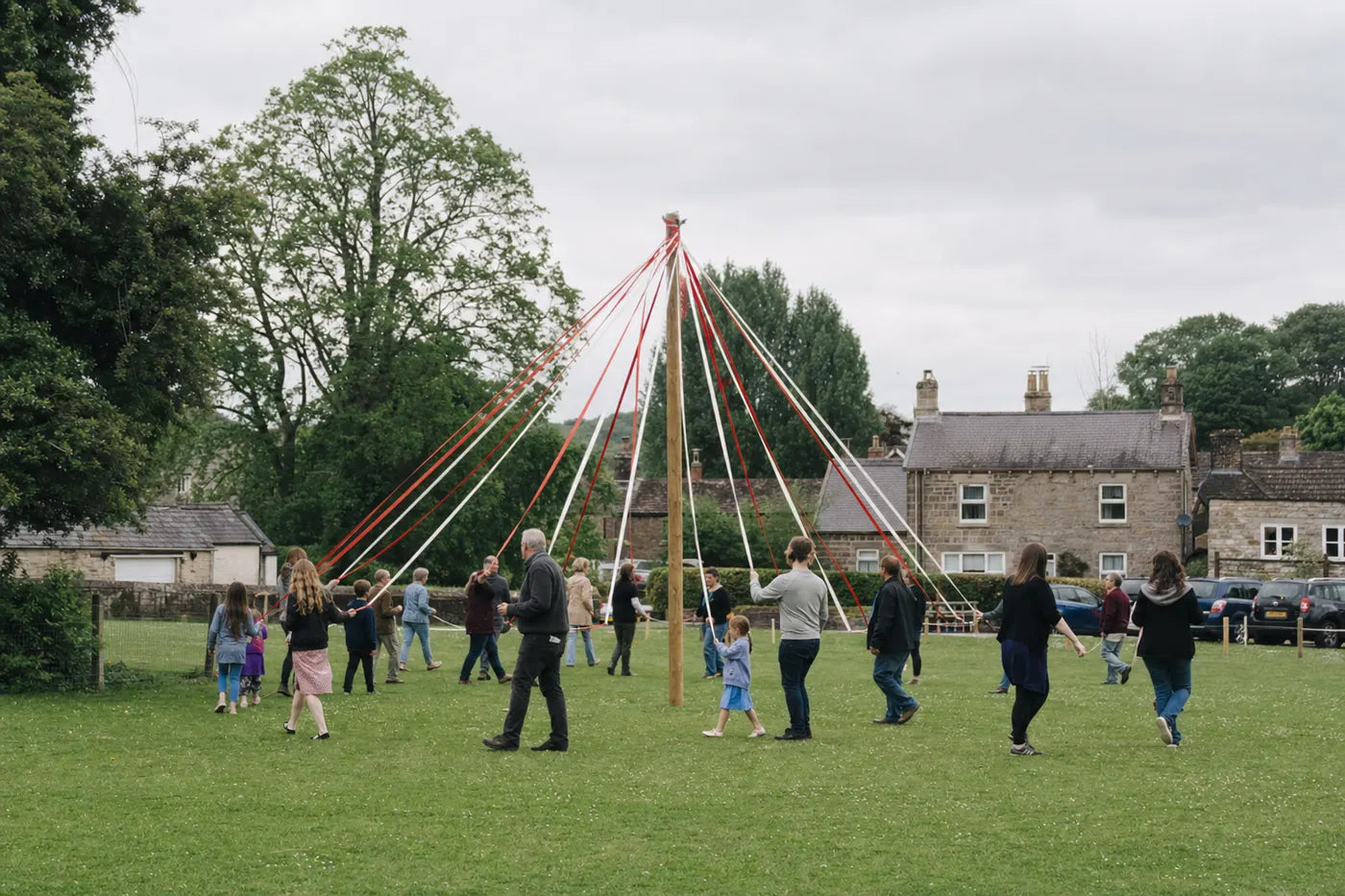
Cattle and protective fire

Accounts describe cattle being driven between fires or exposed to smoke before summer grazing. The concern was health, fertility, and protection in a risky agricultural transition.

From custom to modern festival

Contemporary events may draw inspiration from this material without being literal reconstructions. Honest labelling makes modern creativity stronger.

Safe contemporary practice

A candle, lantern, communal meal, animal-care donation, or household protection plan can express the theme without unsafe bonfires.

What this means for modern practice

Use historical labels carefully, adapt observance to your local season and ability, and distinguish documented custom from reconstruction or personal ritual. This creates a practice that is both meaningful and transparent.

Continue exploring

Sources and further reading

FAQ

Recorded Beltane customs used fire and smoke for seasonal transition and protection, especially in relation to cattle. Modern fire practice should follow local law and safety guidance; a candle or lamp can carry the symbolism.

Beltane is traditionally associated with May 1 and often begins on the preceding evening. Southern Hemisphere practitioners commonly shift the seasonal observance by about six months.

Beltane, or Bealtaine, is a Gaelic May festival associated with the opening of summer. Historical themes include protective fire, livestock, household welfare, flowers, wells, and communal gathering.

Yes. A candle, lantern, electric light, shared hearth meal, or non-fire protection ritual can express the seasonal meaning without the legal, ecological, and safety risks of open fire.

Accounts from Gaelic regions describe cattle being moved between fires or through smoke for protection before summer grazing. Practices varied, and modern reenactment should never endanger animals.

Leave a comment

All comments are moderated before being published.

This site is protected by hCaptcha and the hCaptcha Privacy Policy and Terms of Service apply.