

Reviewed and updated Jul 27, 2026
Beltane rituals traditionally center on the opening of summer, fire, protection, livestock and community welfare. Modern celebrations may also include flowers, ribbons, dancing, shared food and relationship themes. The most responsible approach distinguishes documented Gaelic customs from later festival forms and newly created personal ritual.
Use this practical guide alongside our complete Beltane history and meaning pillar and the interactive Wheel of the Year.
Beltane rituals at a glance
- Traditional date: May 1, often beginning on the preceding evening
- Historical setting: Gaelic seasonal festival opening summer
- Documented themes: protective fire, cattle, household welfare, greenery and seasonal transition
- Modern themes: vitality, creativity, community, love, consent and flourishing
- Safety: no fire, plant or animal practice should create avoidable harm
What did historical Beltane celebrations involve?
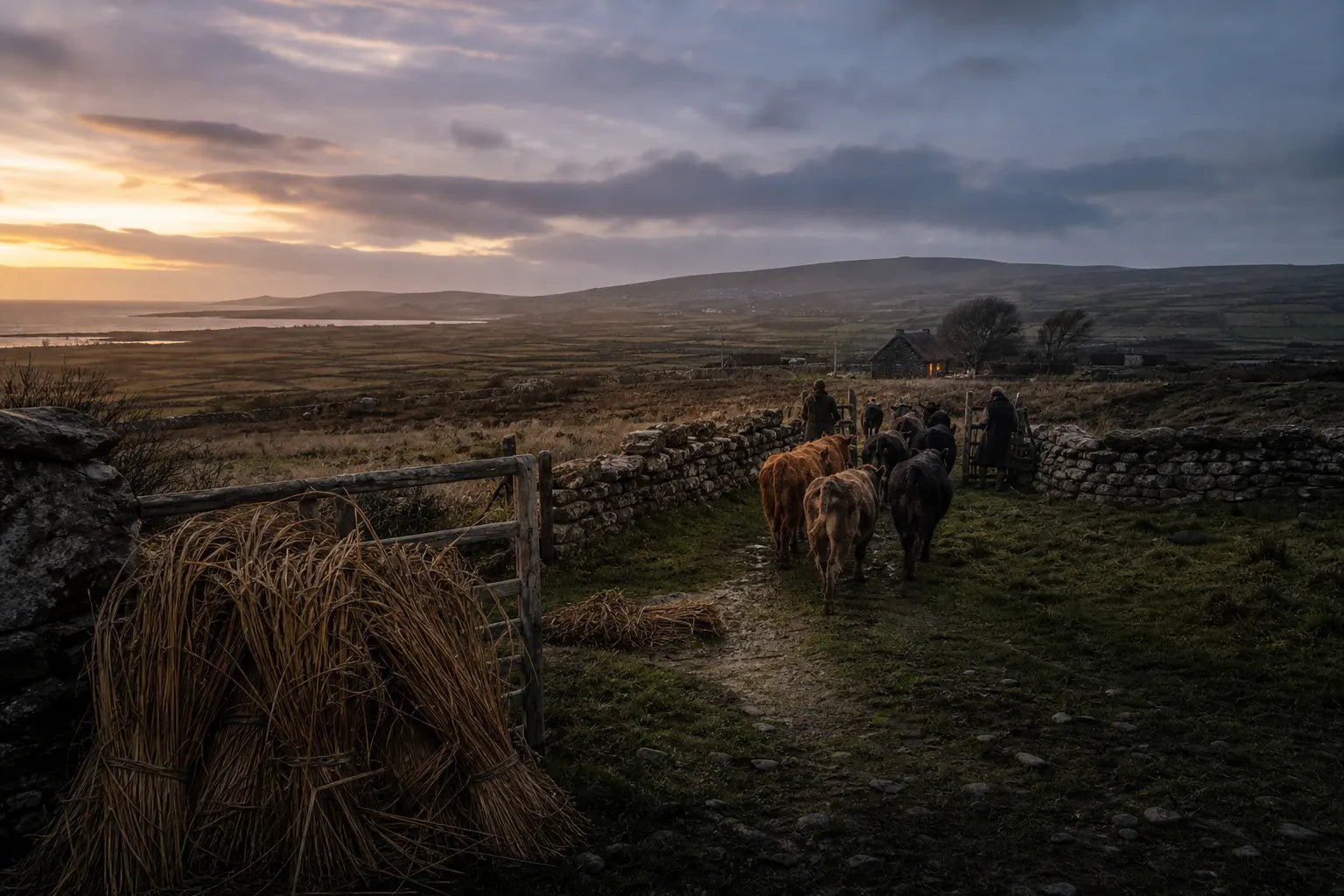
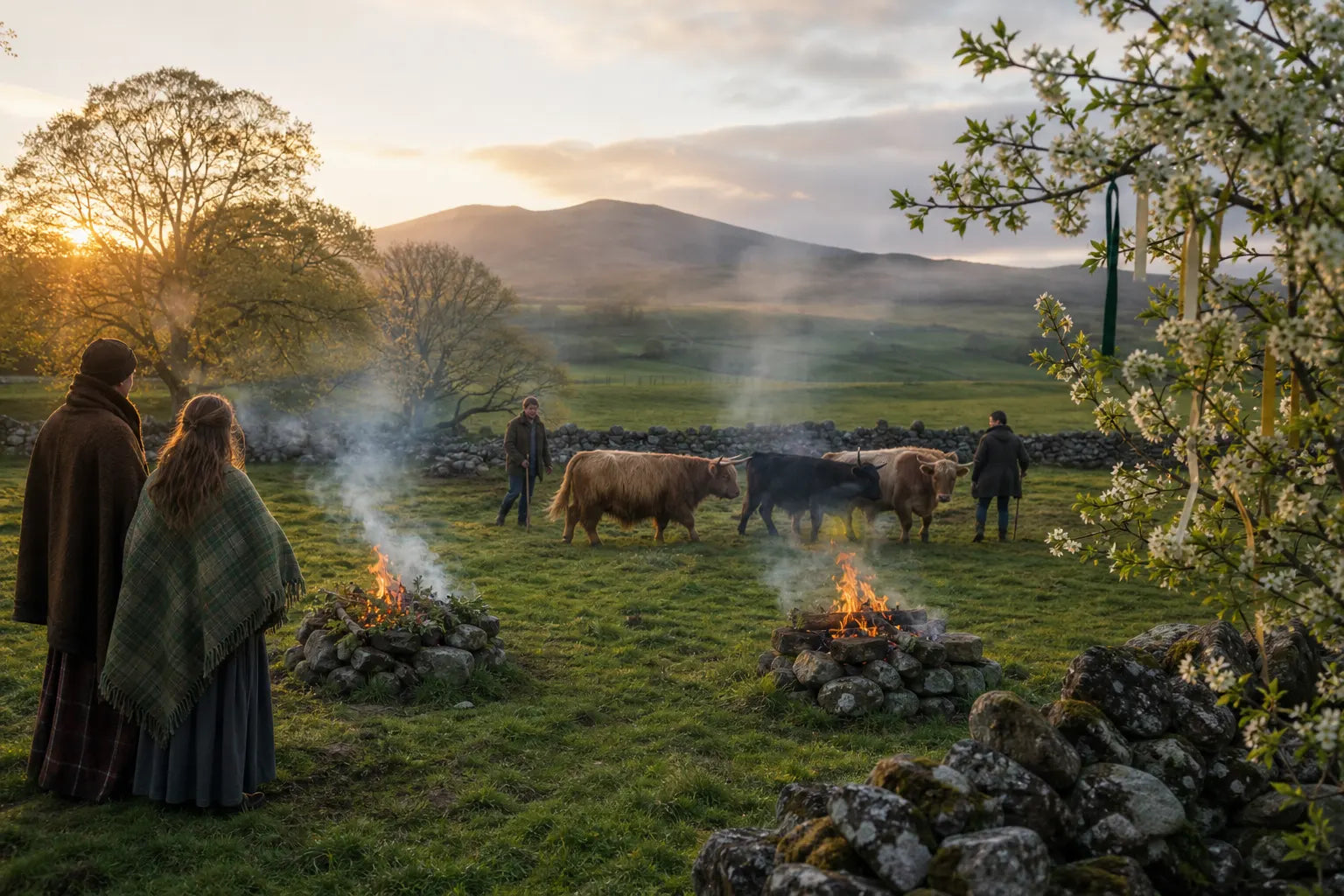
Historical and folkloric accounts from Ireland, Scotland and the Isle of Man record regional Beltane customs rather than one universal ceremony. Fires and smoke could protect cattle as they moved toward summer pasture. Households guarded milk, butter, water and fire because the seasonal transition was considered both promising and vulnerable.
May greenery, flowers and visits to wells also appear in regional traditions. These practices belong to particular places and periods. A modern maypole, flower crown or candle ritual may be meaningful, but it can be celebrated as a living Beltane practice inspired by Gaelic fire and May traditions.
A safe Beltane fire ritual
Fire is the best-known Beltane symbol. Historically it was connected with protection and the welfare of livestock as well as celebration. You do not need a bonfire to work with that meaning.
- Use one candle or enclosed lantern on a stable, fireproof surface.
- Name what needs protection as you enter the next season: a household, relationship, animal, project or community.
- Write one practical protective action you will take.
- Extinguish the flame completely; never leave it unattended.
Where outdoor fires are legal, follow local restrictions, maintain water and supervision, and avoid smoke exposure. Never lead animals close to flame or force them through smoke.
A home and threshold blessing
Beltane’s protective themes adapt naturally to a household ritual. Clean the entrance, repair something neglected, place a small branch or seasonal flower nearby, and speak a brief intention for hospitality and safety. If you rent or share a home, the ritual can remain temporary and non-damaging.
Use legally gathered, abundant local plants. Hawthorn has strong May associations, but cutting living branches can be ecologically harmful or culturally inappropriate. A photograph, drawing or fallen twig can carry the symbol without damaging a tree.
Flowers, ribbons and the May season
Flowers and green branches make the season visible. Ribbons and maypoles belong to varied European May traditions and later public celebrations; their many regional forms create a broad and colorful family of May traditions. In modern Pagan practice, colors and movement can express interdependence rather than a vague claim of “fertility.”
Try a simple ribbon practice:
- choose three reusable ribbons for protection, creativity and community;
- name one action connected to each theme;
- tie them to an indoor branch, wreath or reusable ring;
- remove and store them after the festival instead of leaving synthetic ribbon outdoors.
Beltane, love and consent
Modern Beltane is often associated with romance, sexuality and fertility. Those themes should never create pressure. A celebration can honor friendship, creative energy, bodily autonomy, chosen family, gardens, animal care or community resilience.
For couples or groups, agree on boundaries before the ritual. Avoid surprise vows, public pressure or assumptions about pregnancy, gender or partnership. A consent-centered Beltane is more aligned with genuine flourishing than any compulsory performance.
A simple solo Beltane ritual
- Open a window or step outside and observe what is actively growing.
- Light a safe candle or use an electric light.
- Write down one part of life that needs energy and one that needs protection.
- Choose one small action for each.
- Share food, donate to an animal-care or land project, or thank someone whose work sustains you.
A community Beltane celebration
A group event can combine a seasonal walk, music, shared food, games, craft and a short fire or lantern ceremony. Make participation optional, explain which elements are historical and which are newly composed, and provide accessible alternatives for mobility, sensory needs and dietary restrictions.
Beltane in the Southern Hemisphere
Many Southern Hemisphere Pagans observe Beltane around October 31-November 1 so that it aligns with local spring and the opening of summer. Others keep May 1 because of ancestry or community calendar. State your approach clearly and pay attention to the actual ecology where you live.
Continue exploring Beltane
- Beltane fire traditions, cattle and protection
- Beltane symbols: flowers, hawthorn and ribbons
- Beltane: complete pillar guide
Sources and further reading
- National Museum of Ireland - Irish seasonal festivals
- Beltane Fire Society - festival history and contemporary celebration
- Tobar an Dualchais - Scottish oral recordings related to Beltane
Last reviewed: July 27, 2026. Historical customs, modern reconstruction and newly created practices are labelled separately.