

Reviewed and updated Jul 27, 2026
Persephone’s most recognizable symbols arise from her myth and shared cult with Demeter: pomegranate, torches, grain, flowers, crowns, and underworld royal imagery.
This guide belongs to the Persephone pillar. You can also select Persephone in the interactive Atlas of Deities to view documented relationships.
Quick answer
A practical guide to Persephone’s symbols, with evidence levels and distinctions between ancient attributes and modern correspondences.
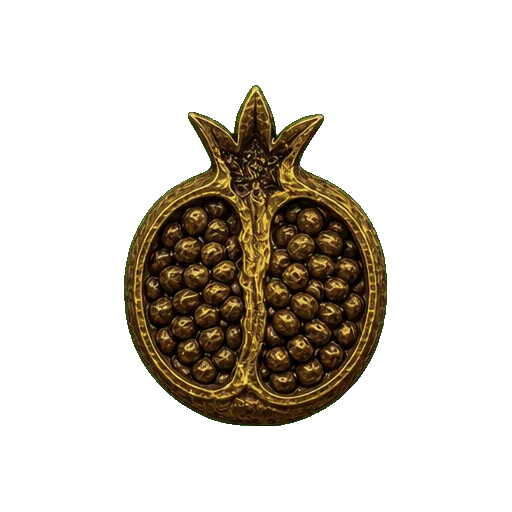
Pomegranate
The fruit marks the condition of Persephone’s divided existence and became the best-known emblem of her recurring return.
Torches
Torches belong to the search, nocturnal ritual imagery, and the public visual language of Demeter and Persephone at Eleusis.
Grain and sheaves
Grain emphasizes the goddesses’ connection with cultivation, human survival, and the ritual gift associated with Demeter.
Flowers, crowns, and thrones
Flowers recall the meadow of the abduction; crowns and thrones express Persephone’s underworld sovereignty. Modern crystals and colors should be labelled as later correspondences.
Ancient evidence and modern interpretation
Modern spiritual, psychological, and artistic readings can be meaningful. They are labelled separately here so that contemporary practice does not become a fabricated ancient quotation or universal historical rule.
Frequently asked questions
What is Persephone’s main symbol?
The pomegranate is the most recognizable narrative symbol, while torches and grain are especially important in Eleusinian imagery.
Are bats a historical symbol of Persephone?
Bats are common in modern underworld aesthetics, but they are not one of her best-attested ancient attributes.
Continue exploring
Sources and further reading
Last reviewed: July 27, 2026.