
Reviewed and updated Jul 27, 2026
Demeter and Persephone formed one of the most important paired cults of the ancient Greek world. Their Eleusinian worship linked divine loss and return with grain, human mortality, initiation, and hope.
This guide belongs to the Persephone pillar. You can also select Persephone in the interactive Atlas of Deities to view documented relationships.
Quick answer
A grounded introduction to Demeter and Persephone’s shared cult and the evidence for the Eleusinian Mysteries.
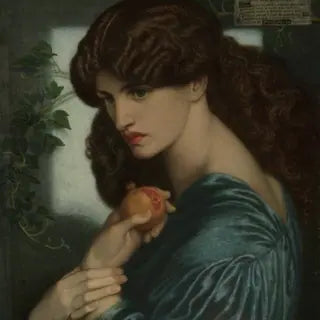
Mother and daughter
Their relationship drives the Homeric Hymn: Demeter’s grief changes the human world, and reunion restores the possibility of cultivation.
Eleusis and initiation
The mysteries welcomed initiates beyond the usual boundaries of citizenship, but participants were bound to secrecy. Public processions and imagery are known more clearly than the central rites.
Triptolemos and grain
Eleusinian art often shows Demeter and Persephone with Triptolemos, the culture hero sent to spread knowledge of grain cultivation.
What we cannot reconstruct
Claims about a single secret vision, hallucinogenic drink, or complete initiation script exceed the surviving evidence unless carefully qualified.
Ancient evidence and modern interpretation
Modern spiritual, psychological, and artistic readings can be meaningful. They are labelled separately here so that contemporary practice does not become a fabricated ancient quotation or universal historical rule.
Frequently asked questions
What were the Eleusinian Mysteries?
They were initiatory rites centered on Demeter and Persephone at Eleusis, known for secrecy, procession, and hope connected with life and death.
Did the myth explain winter?
It explains recurring absence and return, but ancient agriculture and festival timing make a simple modern four-season reading incomplete.
Continue exploring
Sources and further reading
Last reviewed: July 27, 2026.