
Reviewed and updated Jul 27, 2026
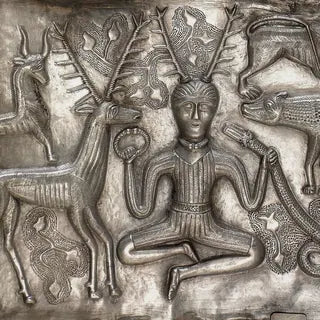
Cernunnos, Pan, and the modern Horned God are distinct figures. They can be compared through horns, animals, nature, fertility, and modern reception, but their similarities create fruitful points of comparison without erasing the individual story of each figure.
This guide belongs to the Cernunnos pillar. You can also select Cernunnos in the interactive Atlas of Deities to view documented relationships.
Quick answer
A cross-cultural comparison that labels evidence, similarity, and modern association while letting each figure retain his own name, landscape, and sacred story.
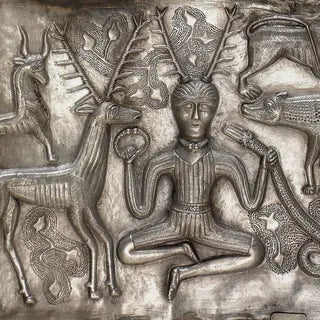
Cernunnos
Cernunnos belongs to limited Gaulish and Romano-Celtic evidence centered on inscriptions and antlered imagery.
Greek Pan
Pan is a Greek god with a far richer named literary and cult record involving pastoral life, music, sexuality, sudden fear, and rustic sanctuaries.
Modern Horned God
The Horned God is central in several modern Pagan and Wiccan systems. He draws on multiple historical and artistic sources rather than preserving one ancient Cernunnos cult unchanged.
How comparison helps
A labelled comparison can explore nature, animals, masculinity, death, renewal, and sexuality while preserving cultural difference.
Ancient evidence and modern interpretation
Modern spiritual, psychological, and artistic readings can be meaningful. They are labelled separately here so that contemporary practice does not become a fabricated ancient quotation or universal historical rule.
Frequently asked questions
Is Pan another name for Cernunnos?
No. Pan is Greek and Cernunnos belongs to Gaulish/Romano-Celtic evidence.
Did ancient Celts worship the Wiccan Horned God?
Wicca is modern. Its Horned God can draw inspiration from older figures, but the system itself is not an unchanged Iron Age religion.
Sources and further reading
- British Museum - Torcs and Gundestrup imagery
- British Museum - Who were the Celts?
- Musée de Cluny - Pillar of the Boatmen
Last reviewed: July 27, 2026.