
Reviewed and updated Jul 27, 2026
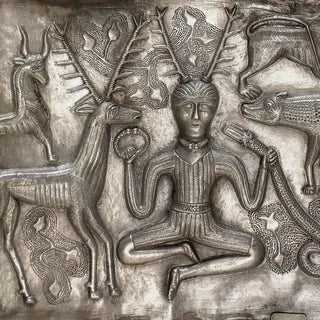
The strongest visual complex associated with Cernunnos includes antlers, a torc, a ram-horned serpent, gathered animals, and sometimes a seated cross-legged posture.
This guide belongs to the Cernunnos pillar. You can also select Cernunnos in the interactive Atlas of Deities to view documented relationships.
Quick answer
A visual evidence guide to horned-god imagery and the cautious meanings scholars and modern practitioners draw from it.
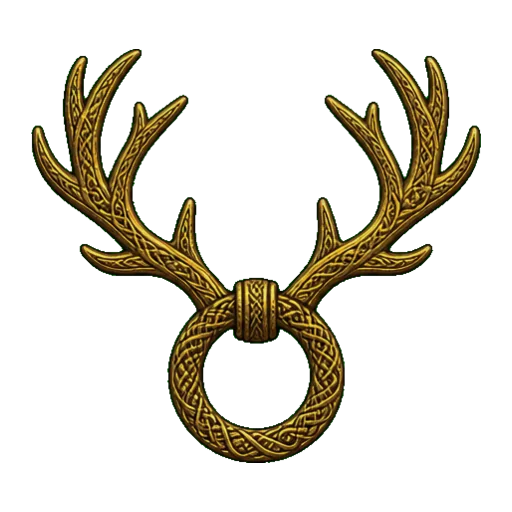
Antlers
Antlers distinguish the figure and invite interpretations involving animals, seasonality, status, renewal, and the boundary between human and wild.
Torc
The torc was a potent Iron Age status object. In the Gundestrup image the horned figure holds one aloft, suggesting authority or sacred wealth.
Ram-horned serpent
The serpent appears with horned deities in several contexts. Fertility, underworld power, protection, and prosperity are proposed meanings, but no explanatory text survives.
Animals and abundance
Stags, bulls, boars, and other creatures place the figure within a dense more-than-human world. Coins or grain-like objects in related images may imply prosperity or exchange.
Ancient evidence and modern interpretation
Modern spiritual, psychological, and artistic readings can be meaningful. They are labelled separately here so that contemporary practice does not become a fabricated ancient quotation or universal historical rule.
Frequently asked questions
Why does Cernunnos have antlers?
No ancient text explains them. They likely communicate divine relationship with powerful animals and wild or regenerative forces.
Is the ram-horned serpent evil?
Ancient imagery does not support a simple Christian-style evil reading; its precise meaning remains debated.
Sources and further reading
- British Museum - Torcs and Gundestrup imagery
- British Museum - Who were the Celts?
- Musée de Cluny - Pillar of the Boatmen
Last reviewed: July 27, 2026.