
Reviewed and updated Jul 20, 2026
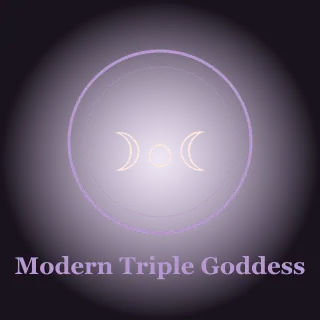
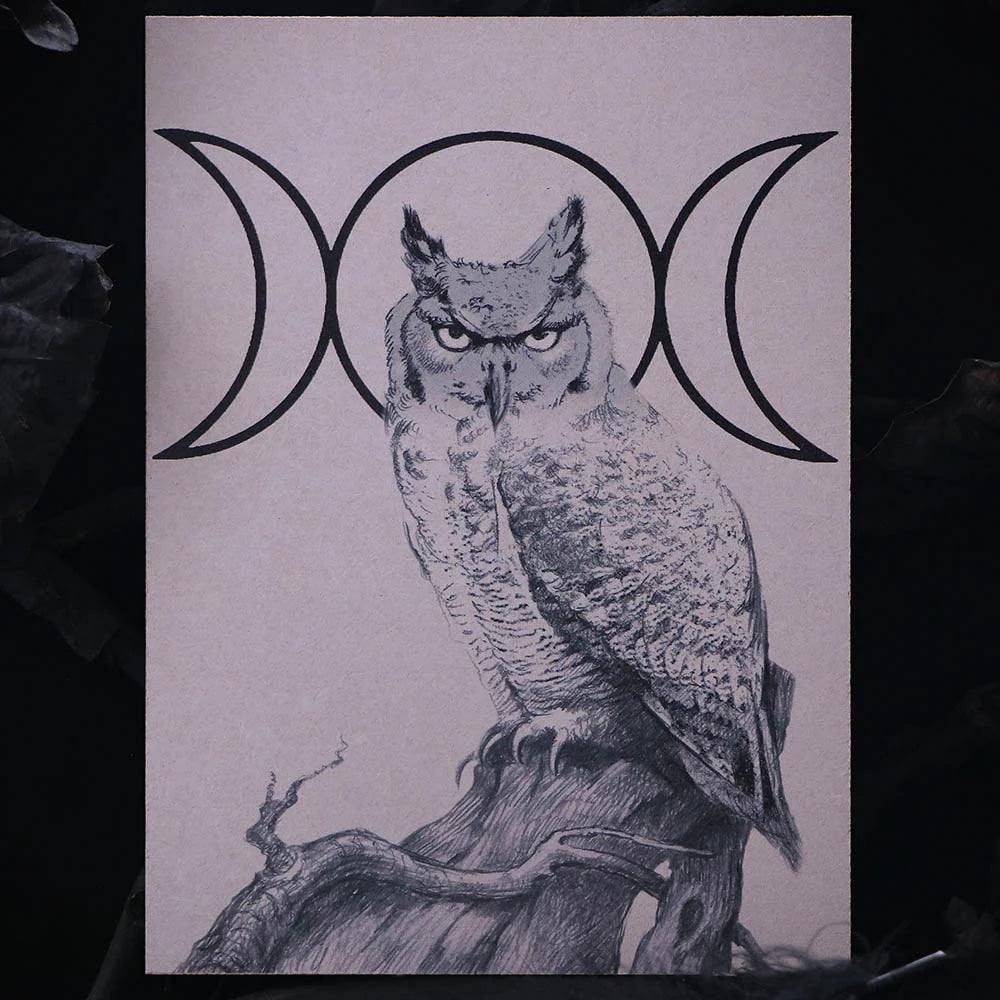
The Triple Moon symbol combines a waxing crescent, a full moon, and a waning crescent. In modern Paganism and Wicca, these three forms commonly represent growth, fullness, and release, as well as the Triple Goddess archetypes of Maiden, Mother, and Crone. The emblem is best understood as a modern spiritual symbol built from much older lunar imagery—not as one unchanged sign shared by every ancient culture.
What does the Triple Moon symbol mean?
The central meaning is cyclical change. The waxing crescent suggests something becoming visible or gaining strength; the full moon suggests completion, presence, or intensity; and the waning crescent suggests decrease, release, rest, or return. Modern practitioners may use the sequence to reflect on beginnings, fulfillment, endings, and renewal.
The symbol does not have one mandatory interpretation. Depending on the person or tradition, it may express lunar spirituality, the divine feminine, the life cycle, personal transformation, intuition, time, or the balance between expansion and withdrawal. Someone can also wear it simply as a sign of connection with the Moon or contemporary Pagan identity.
These meanings are spiritual interpretations, not astronomical properties of the Moon and not promises that a symbol will create a particular result. Its significance comes from the tradition, intention, and context in which it is used.
What are the three moon phases in the symbol?
From left to right, the familiar design is usually read as waxing crescent, full moon, and waning crescent. Waxing means that the illuminated portion visible from Earth appears to increase; waning means that it appears to decrease. The Moon itself does not produce light—moonlight is sunlight reflected from its surface.
| Form | Astronomical place | Common modern symbolism |
|---|---|---|
| Waxing crescent | Early in the cycle as the visible illuminated portion increases | Beginnings, learning, intention, growth, possibility |
| Full moon | The Moon's dayside faces Earth most fully | Completion, clarity, abundance, presence, culmination |
| Waning crescent | Late in the cycle as the visible illuminated portion decreases | Release, reflection, wisdom, rest, closure |
The Triple Moon is a symbolic compression of the lunar cycle, not a complete astronomy chart. NASA identifies eight named phases in the approximately 29.5-day cycle: new moon, waxing crescent, first quarter, waxing gibbous, full moon, waning gibbous, third quarter, and waning crescent. The emblem selects three visually and symbolically useful moments from that larger sequence.
How does it relate to the Triple Goddess?
Many modern Wiccan, Goddess Spirituality, and Pagan contexts connect the three lunar forms with Maiden, Mother, and Crone:
- Maiden / waxing: potential, independence, discovery, learning, and beginnings.
- Mother / full: creativity, care, responsibility, abundance, and bringing work to fruition.
- Crone / waning: experience, discernment, release, endings, and hard-won wisdom.
This framework became especially influential in twentieth-century modern Paganism. Historian Ronald Hutton traces modern Pagan witchcraft through nineteenth- and twentieth-century literature, occultism, folklore studies, and religious innovation. Scholarship on contemporary Goddess movements likewise describes Maiden–Mother–Crone as a model popularized in the mid-twentieth century, including through the work of Robert Graves.
The three terms are archetypes, not requirements for a woman's body, age, fertility, family role, or gender identity. A person may treat them as stages in a project, changing modes of attention, or metaphors for recurring experiences. Some practitioners embrace the model; others adapt it or avoid it because no three categories can represent every life.
Is the Triple Moon an ancient symbol?
The component imagery is ancient, but the familiar combined emblem should not be presented as one universal prehistoric symbol. Crescents, lunar discs, moon deities, divine triads, and threefold figures appear in many historical settings. Those examples do not automatically prove that ancient people used the exact modern Triple Moon design with the same Maiden–Mother–Crone explanation.
Ancient traditions also differed from one another. In Mesopotamia, for example, the crescent could identify the moon god Sîn. Greek and Roman images could represent Selene or Luna with a crescent. Hecate developed triple-bodied imagery connected with boundaries and crossroads. These are distinct religious and artistic contexts, not interchangeable versions of a single doctrine.
The safest historical description is therefore: the Triple Moon is a recognizable emblem of modern Pagan, Wiccan, witchcraft, and Goddess-centered spirituality that draws on older lunar and threefold imagery. This wording respects the symbol's living religious importance without turning a modern synthesis into an unsupported ancient fact.
Is the Triple Moon a symbol of Hecate?
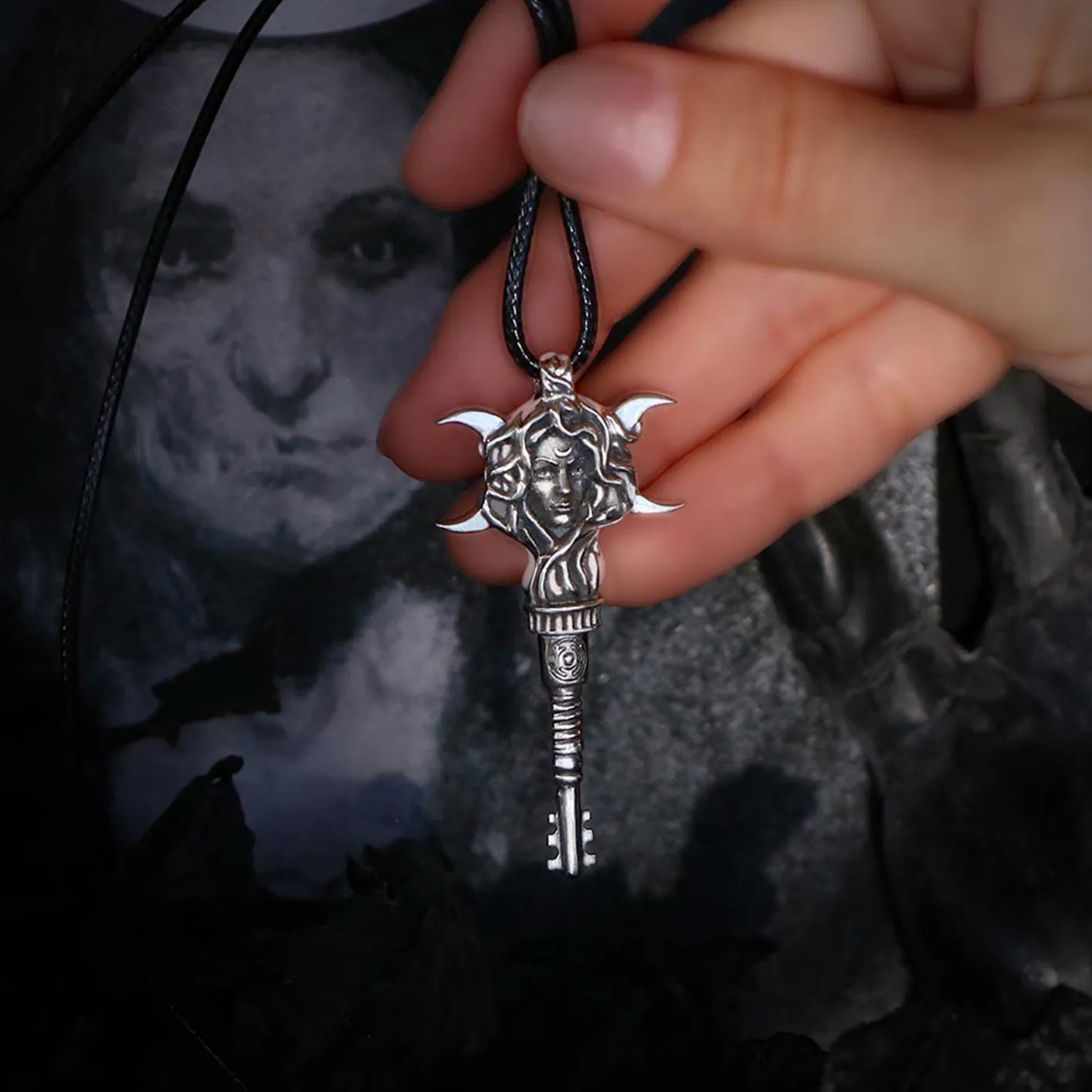
The Triple Moon is often used for Hecate in modern jewelry, art, and devotional practice, but it is not identical to every ancient image of her. Ancient Hecate could be shown as a single figure or in triple form. A Roman triple statue in the British Museum, for example, joins Diana, Selene, and Hecate in a three-directional form; other surviving images show Hecate with three bodies, torches, keys, serpents, or other attributes.
Those ancient triple figures do not label their faces Maiden, Mother, and Crone, and their form is not the same as two crescents surrounding a full moon. The modern emblem can still be meaningful in Hecate devotion when it is understood as a contemporary association. For the historical distinction, read Hecate's Three Forms: ancient images and modern meaning.
How is the Triple Moon used today?
Practices vary widely, and there is no single rulebook shared by all Pagans or witches. Common uses include:
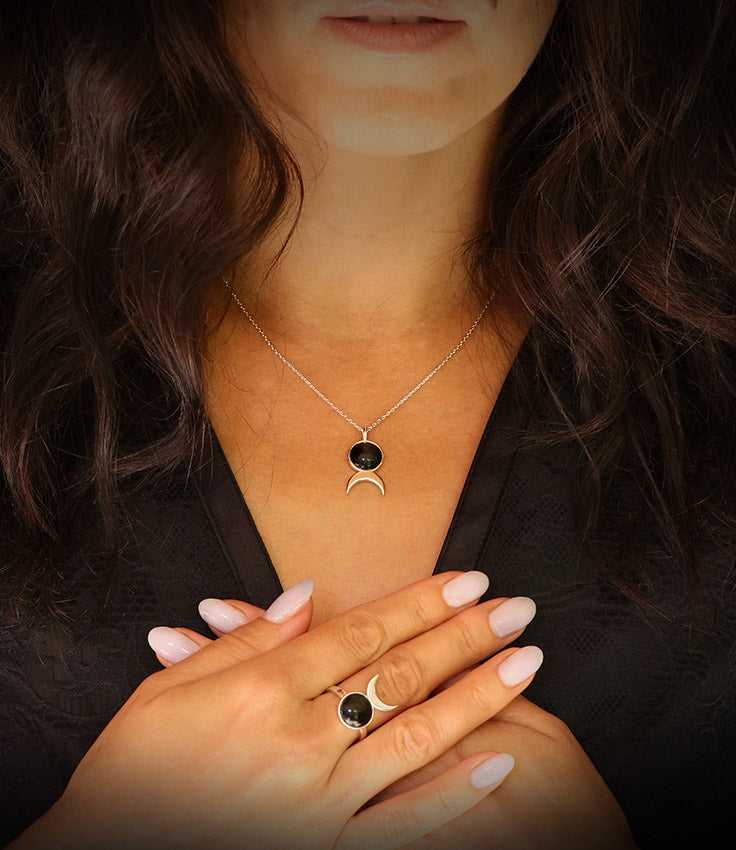
- Jewelry: wearing the emblem as a sign of lunar spirituality, personal change, Goddess devotion, or Pagan identity.
- Altars and art: using the three forms as a visual focus for seasonal, lunar, or devotional work.
- Journaling: choosing an intention while waxing, reviewing progress at the full moon, and releasing or resting while waning.
- Meditation: reflecting on which part of a cycle—beginning, culmination, or closure—best describes the present moment.
- Ritual design: organizing a personal practice around lunar observation while letting symbolic timing deepen focus, rhythm, and intention.
If you work with lunar timing, observe the actual sky or use a reliable phase calendar rather than assuming the same phase appears at the same clock time each month. You can also explore our practical guide to Moon Water meaning, preparation, uses, and safety.
For symbolic jewelry, see the Triple Moon bracelet collection or browse the wider Pagan Knowledge Hub.
Triple Moon versus similar symbols
Triple Moon versus a moon-phase chart
A phase chart explains the Moon's changing appearance and normally includes eight named phases. The Triple Moon selects three forms and gives them religious or personal symbolism.
Triple Moon versus the Triple Goddess
The Triple Moon is the visual emblem. The Triple Goddess is a theological or archetypal idea. They are often connected, but a person may use the lunar symbol without worshipping a Goddess, and not every Goddess tradition uses this design.
Triple Moon versus triple Hecate
Triple Hecate refers to a deity represented as three joined figures or bodies, especially in relation to crossroads and boundaries. The modern Triple Moon consists of crescents and a full disc. Contemporary practice sometimes connects them, but their forms and historical evidence are different.
Triple Moon with a pentacle
Some designs place a pentacle inside the central full moon. This combines lunar or Goddess symbolism with the pentacle's meanings in modern Pagan and Wiccan traditions. The added star changes the design; it is not required for a symbol to be a Triple Moon.
From the workshop


1 comment
Melissa
I need peace…
I need peace…