
Reviewed and updated Jul 19, 2026
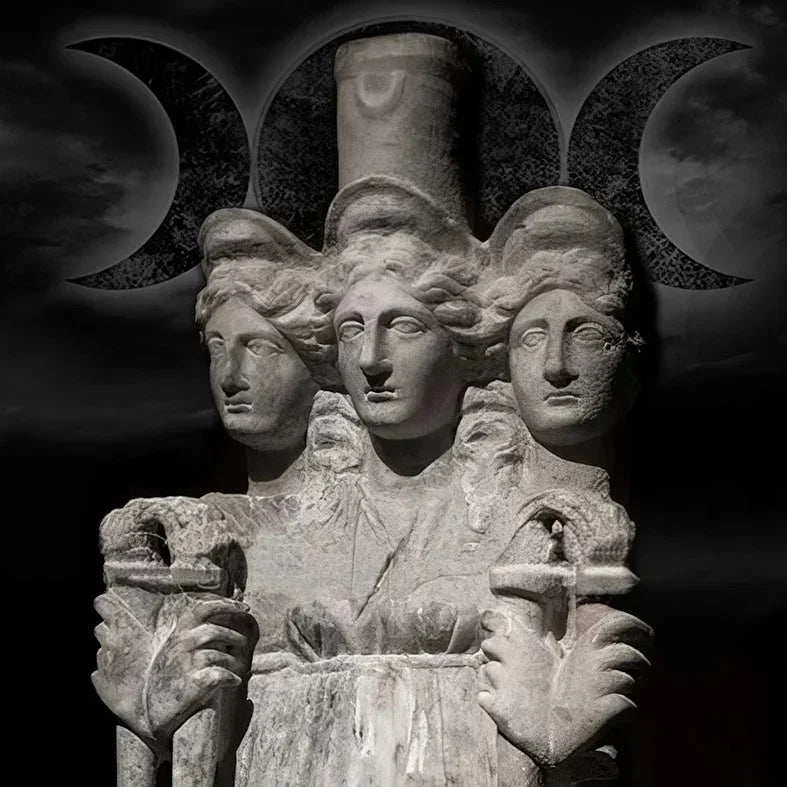
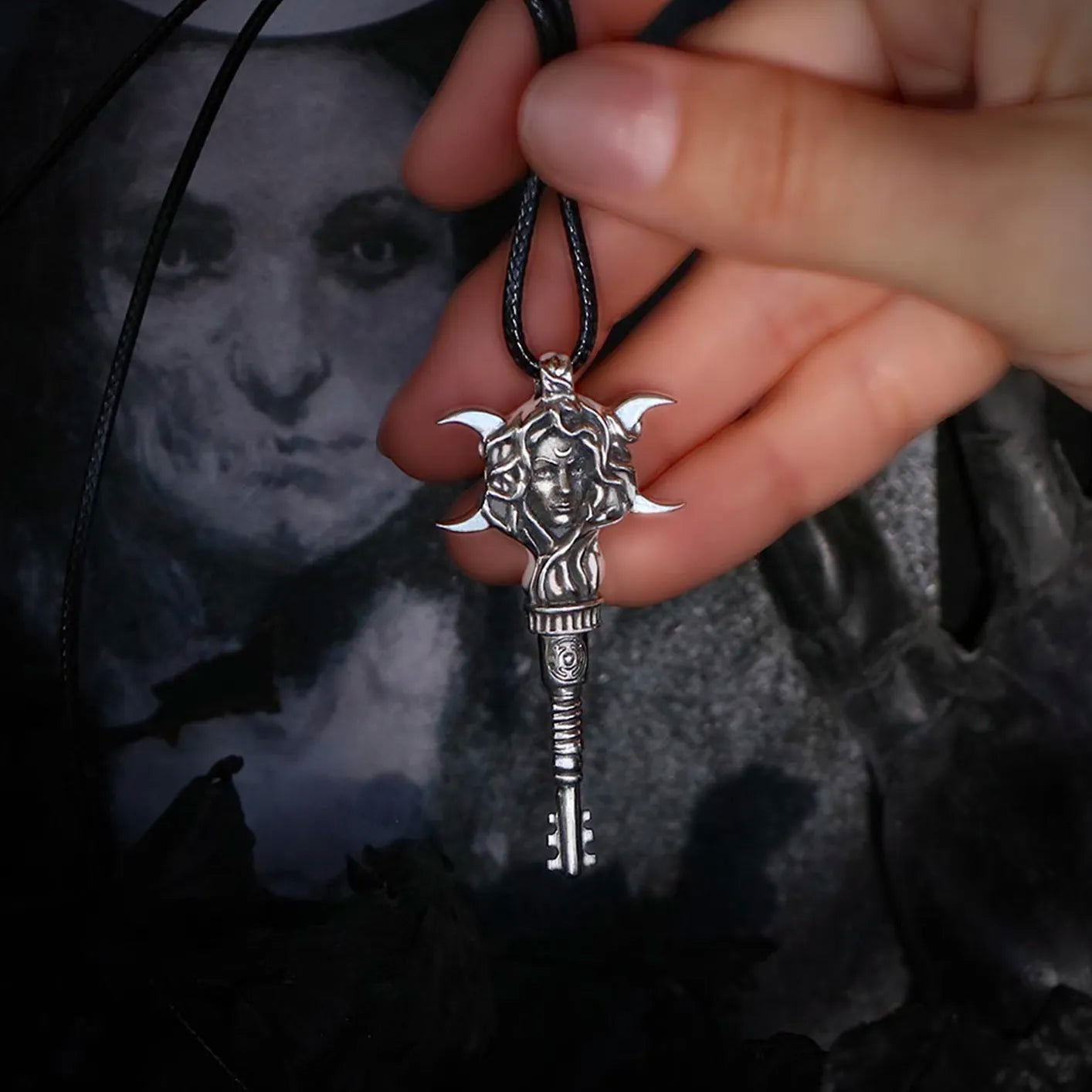
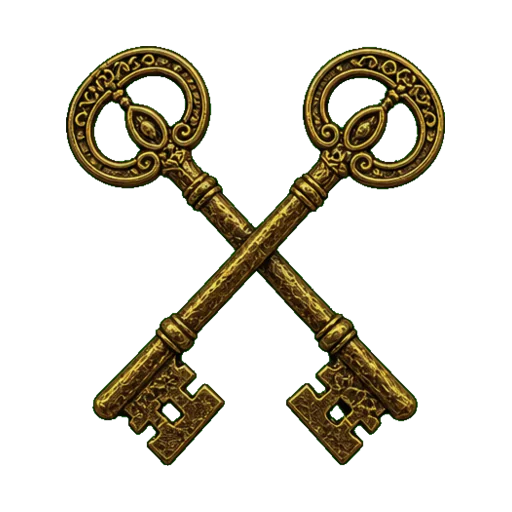
Hecate's key symbolizes guardianship, access, and authority at a threshold. In ancient evidence, keys are connected with sacred offices, gates, and the protection of important spaces. In modern Pagan and devotional practice, the symbol is often expanded to mean unlocking hidden knowledge, opening a new path, protecting personal boundaries, or moving through a major transition.
These meanings should not all be treated as equally ancient. Hecate was associated with keys in later Greek and Roman texts, and the sanctuary of Hecate at Lagina held an important Procession of the Key. The exact object opened by that ceremonial key-and its precise meaning to ancient worshippers-remains debated.
Why is Hecate associated with a key?
Hecate is strongly connected with boundaries: crossroads, doorways, city gates, household entrances, and the meeting point between one condition and another. A key belongs naturally to this world of controlled passage. It can lock, unlock, admit, exclude, protect, and mark the authority of the person entrusted with it.
In later antiquity, Hecate could be described as a key-bearer. This image complements her roles as a guardian and guide, but it should not be reduced to one universal formula. Ancient cults were local, and the same symbol could carry civic, religious, practical, and mythic meanings at once.
What does the ancient evidence say?
The most important evidence comes from Hecate's sanctuary at Lagina in Caria, part of the territory of Stratonikeia. Inscriptions record a major festival centered on the kleidos pompe, or Procession of the Key. A young female key-bearer carried the ceremonial key from Lagina toward Stratonikeia as part of a public celebration with sacrifices, music, hymns, and games.
Scholar Amanda Herring emphasizes that the surviving inscriptions do not tell us exactly what the key opened. It may have been connected with an actual civic or sacred building and with Hecate's protection of the city. Later interpretations sometimes call it a key to Hades, but that explanation is not securely established by the evidence from Lagina itself.
This uncertainty is valuable. It lets us say something historically grounded without pretending that every modern meaning was explicitly taught in an ancient sanctuary.
Meanings of Hecate's key
Guardianship
A key is held by someone trusted with a protected place. For Hecate, it can express vigilance at a doorway, boundary, sanctuary, city, or symbolic threshold.
Permission and access
A key does not merely open everything. It represents appropriate access: knowing when to enter, when to wait, and what should remain protected. This makes the key a fitting symbol for discernment as well as discovery.
Transition
Hecate's connection with crossroads and passages gives the key a natural relationship with change. In modern interpretation, turning a key can represent accepting a decision, ending one phase, or beginning another.
Sacred and civic authority
Ancient temple keys could identify the priestess responsible for a sanctuary. At Lagina, the prominence of the key-bearer and procession also connected Hecate with the public life and protection of the community.
Hidden knowledge
The idea that Hecate's key unlocks mysteries, intuition, or inner wisdom is widespread in modern spiritual practice. It is a meaningful contemporary interpretation, but it should be labeled as such rather than presented as the single ancient meaning of the symbol.
The key in modern Pagan practice
Modern devotees may place an old key on an altar, carry a key as a reminder of personal boundaries, or use key imagery during meditation and ritual. Common intentions include protection, decision-making, initiation, spiritual study, and navigating change.
No physical object is required to honor Hecate. A drawn key, a written intention, or the act of consciously opening and closing a ritual space can serve the same symbolic purpose. Practices vary widely, and modern devotion does not have one universal set of rules.
For a practical example, see the Hecate key protection ritual. Treat fire, candles, and ritual tools with ordinary physical safety in mind.
What does a Hecate key necklace mean?
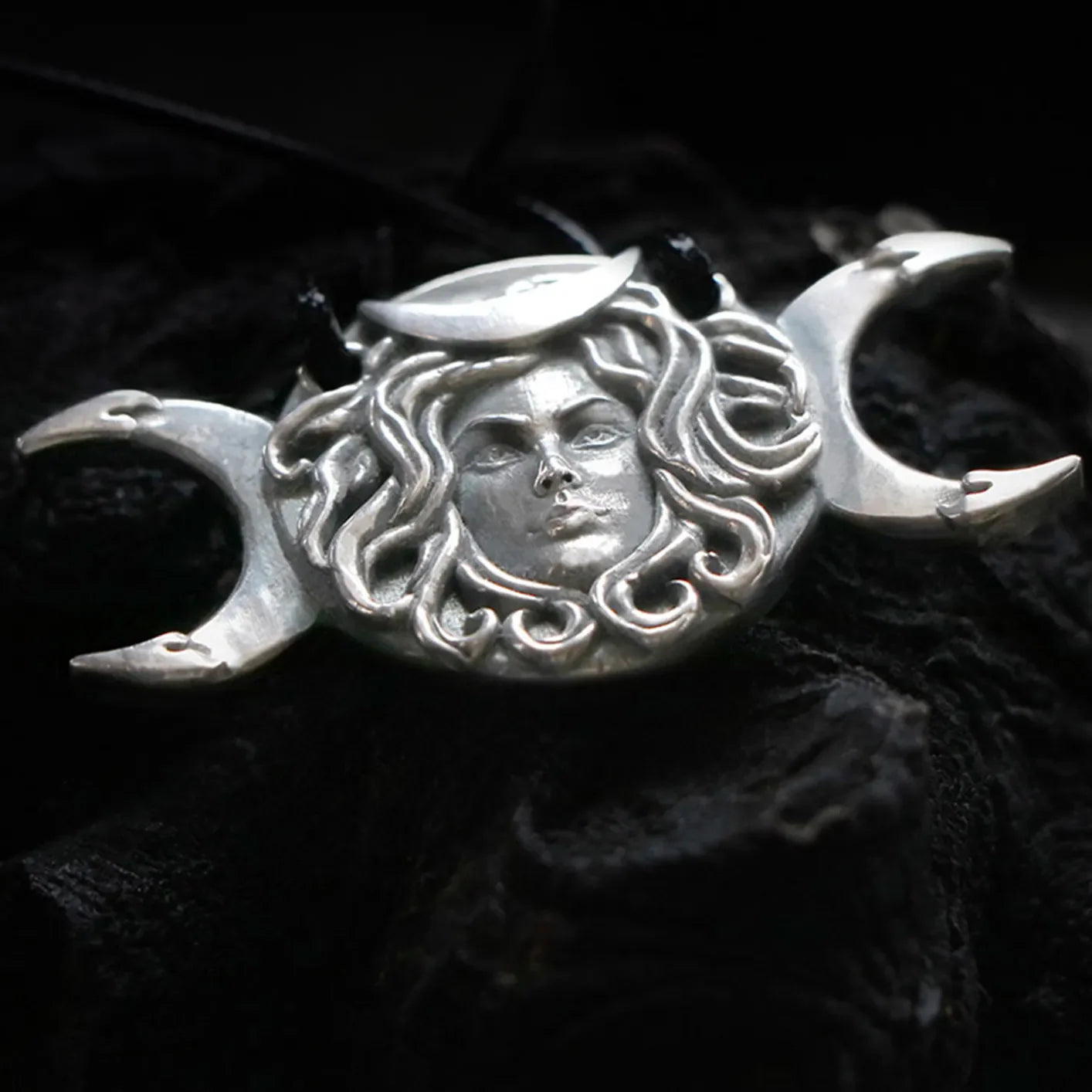
A Hecate key necklace can represent a personal relationship with thresholds, protection, wisdom, or change. For one wearer it may mark devotion to the goddess; for another it may be a reminder to protect access to their time and energy. It can also express an interest in Greek religious history or the symbolism of keys more broadly.
The material or design does not create one fixed spiritual meaning. The historical association comes from the key itself and Hecate's roles as guardian and key-bearer. Claims that a particular metal automatically carries a specific sacred power belong to modern correspondence systems, not to a single established ancient doctrine.
Explore the wider symbolism of Hecate necklaces and pendants.
Frequently asked questions
Is Hecate's key the key to the underworld?
Later texts and interpretations connect Hecate's keys with the gates of Hades and the boundary between life and death. At Lagina, however, the precise purpose and symbolism of the ceremonial key are uncertain. “Key to the underworld” is therefore one tradition, not the only proven historical answer.
Does Hecate have one official key symbol?
No single surviving design can be treated as the one official Key of Hecate. Ancient art and later devotional designs vary. The symbolic identity comes from the key motif and its context, not from one mandatory shape.
Can a normal key be used as a devotional symbol?
In modern personal practice, yes. A practitioner may dedicate an ordinary or antique key through intention or ritual. That is a contemporary devotional act rather than a requirement preserved from ancient Greek religion.
How does the key relate to Hecate's other symbols?
The key controls access, the torch provides light, the crossroads presents multiple paths, and the dog guards the boundary. Together they create a coherent symbolic language of guidance, protection, and transition.
For the complete historical overview, return to Hecate: Goddess of Magic, Crossroads, Keys, and the Night.
From the workshop