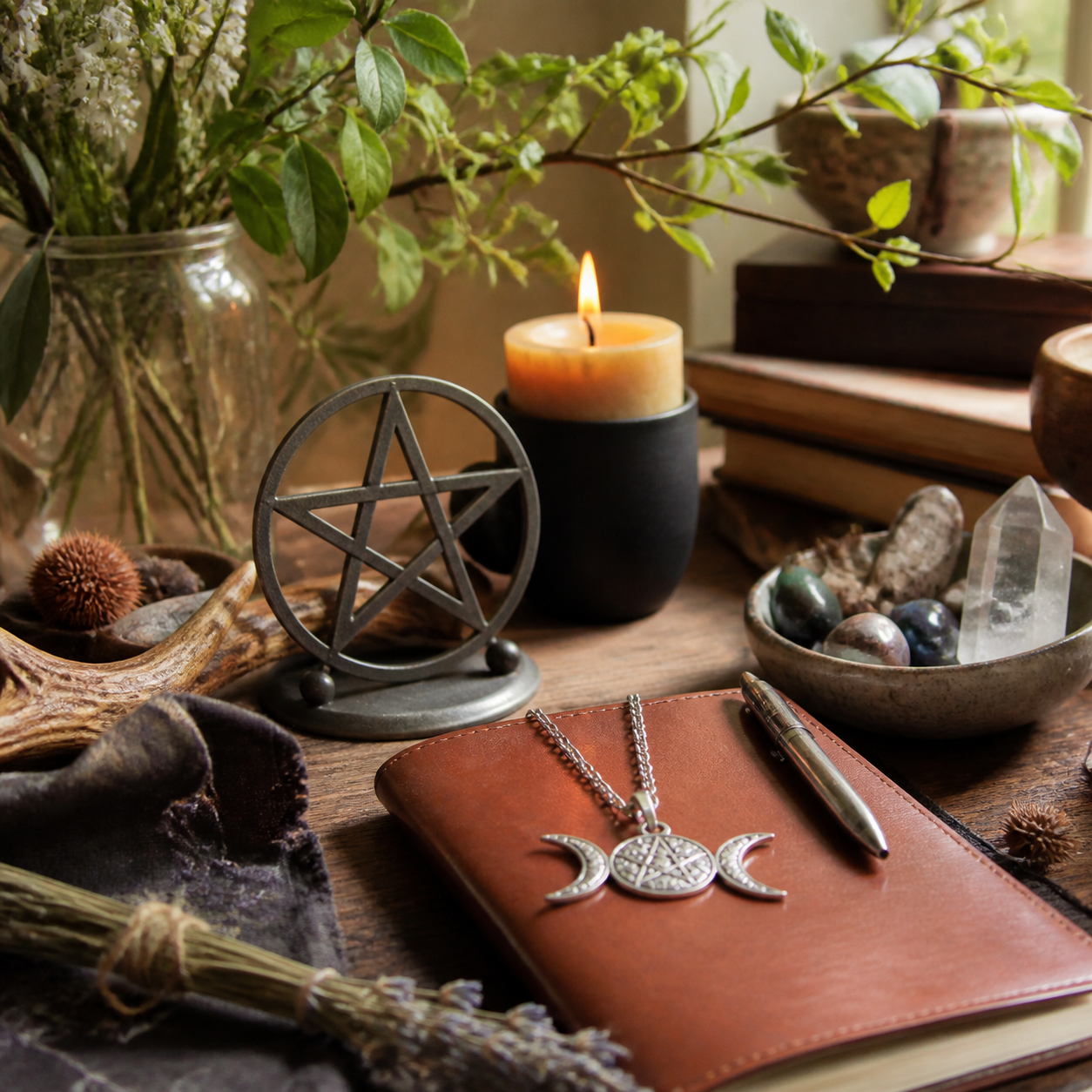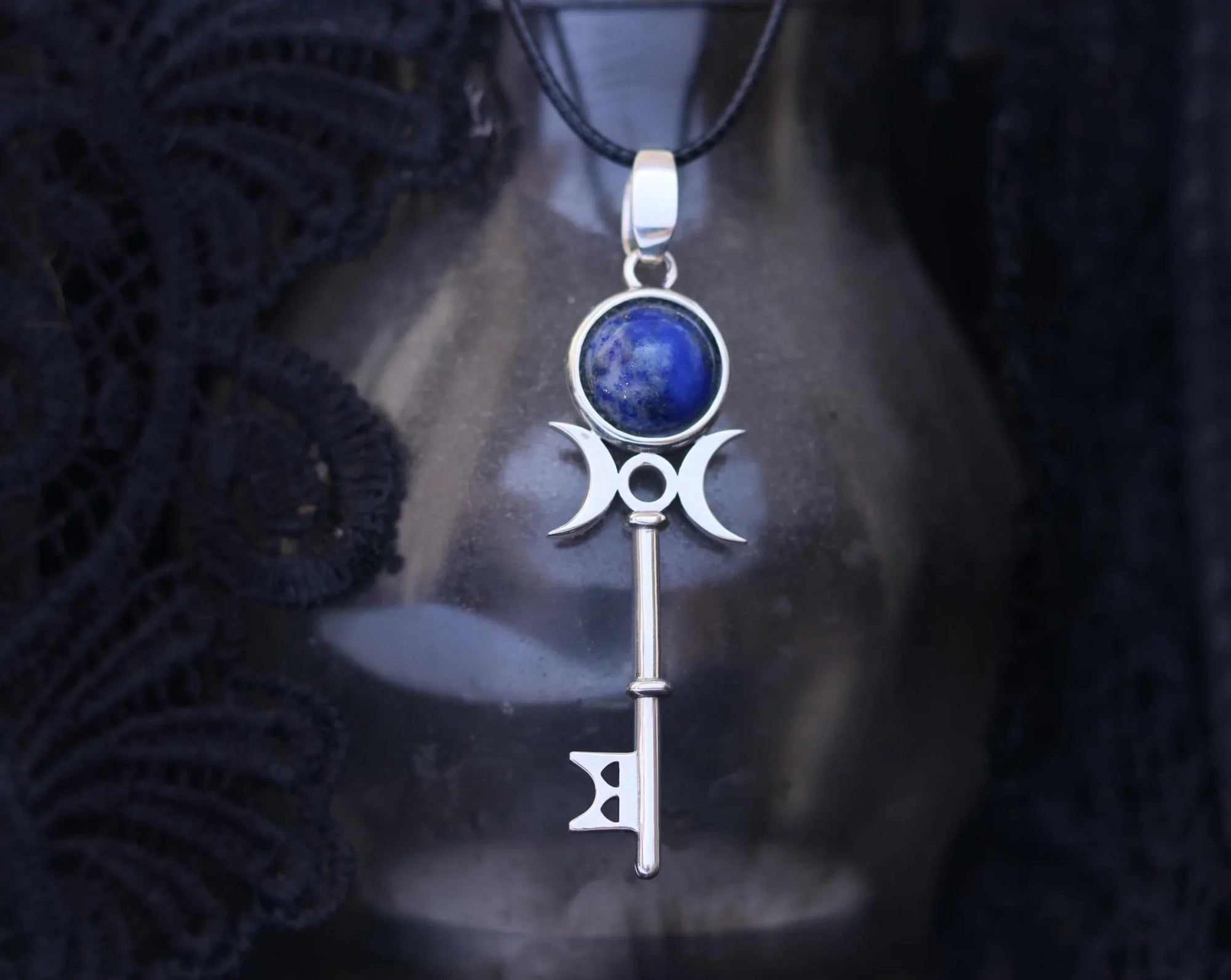
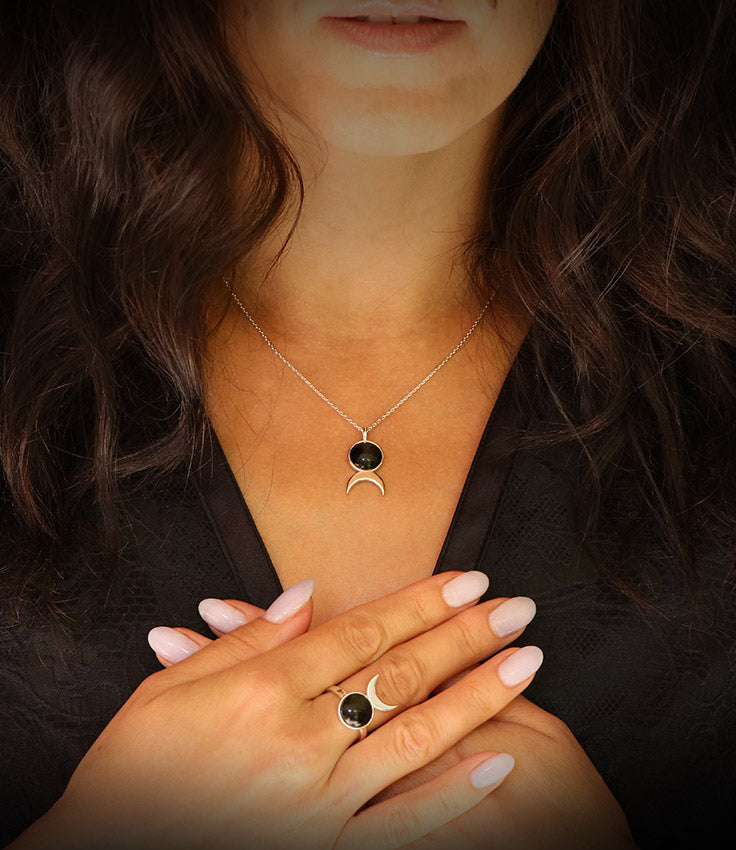
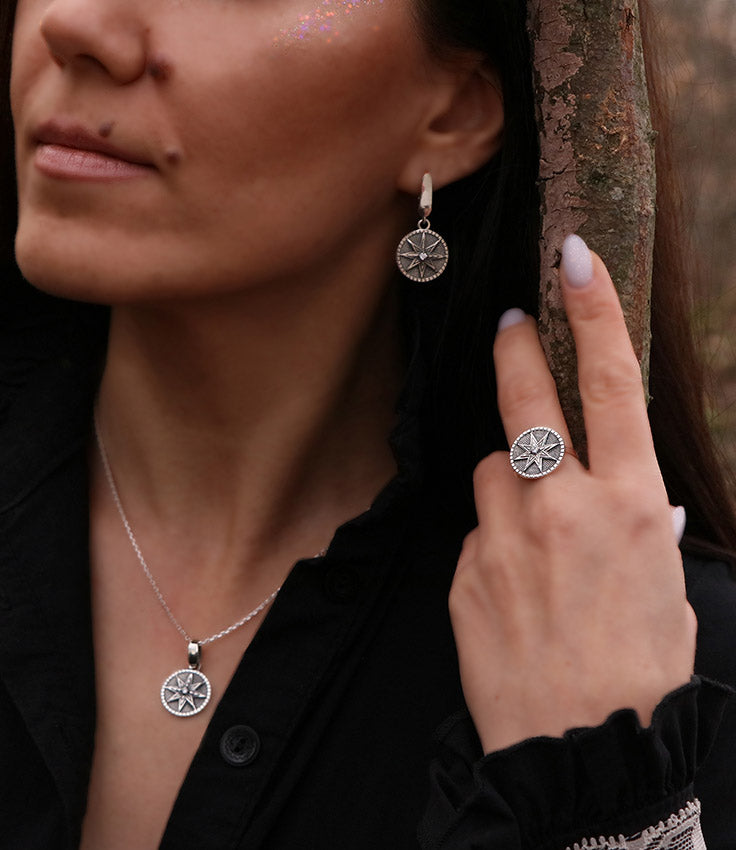

A Pagan necklace can be beautiful without being meaningless - and meaningful without pretending to be an archaeological replica. The best choice begins with three questions: What does the symbol mean in its own tradition? What material will you actually wear? And does the maker describe both honestly?
Begin with your purpose
You may want a devotional object, a protective reminder, a marker of identity, a gift, or simply a design that invites study. None of these motives is automatically shallow. Trouble begins when a seller invents ancient claims to make a product sound more powerful.
Write down the meaning you hope to carry. That makes it easier to distinguish a symbol that genuinely fits from one chosen only because an algorithm showed it repeatedly.
Research the symbol before buying
Check more than the product description. Look for museum collections, academic reference works and translations of primary sources. Ask whether the symbol belongs to a specific deity, culture or historical period. The Eye of Horus, Mjölnir, pentagram and eight-pointed Star of Ishtar do not become interchangeable because all are sold as “protection necklaces.”
Also separate documented ancient use from modern Pagan meaning. A living modern interpretation can be valid without being mislabeled as five thousand years old.
Choose material, size, and construction
Solid 925 sterling silver, bronze, German silver and plated brass have different prices, weights, skin responses and aging patterns. Read the variant name, not just the color in the photograph. If nickel sensitivity is a concern, ask directly about alloy composition.
Compare pendant dimensions with a ruler. Consider bail size, chain thickness, clasp, cord length, weight and whether oxidized recesses are part of the finish.
Evaluate the maker and listing
A strong listing shows the front, back, scale and surface detail; names the metal precisely; explains production time; and does not hide behind phrases such as “silver style.” Handmade does not mean every mark is accidental, nor does it require artificial roughness. It means the design, finishing and responsibility for the object remain traceable to a maker.
Wear sacred imagery with context
Wearing a symbol can begin a conversation, but you are not required to disclose private belief. Learn its name and origin, avoid making universal claims for a living culture, and let the object remain a prompt for continued study rather than a substitute for it.
Continue exploring
- 925 sterling silver and hallmarks
- Pentagram meaning and history
- Symbols of Ishtar
- Hecate symbols and meaning
Frequently asked questions
Is it disrespectful to wear a Pagan symbol?
Context matters. Learn the symbol’s origin, avoid false claims and take special care with living or closed traditions.
Which metal is best for everyday wear?
Sterling silver is durable and repairable for many people; bronze also ages beautifully. Allergies, budget and preferred patina should guide the choice.
Does a necklace become sacred automatically?
No universal rule exists. Some people consecrate devotional jewelry; others let meaning grow through use.
Sources and further reading
- The Metropolitan Museum of Art: Heilbrunn Timeline of Art History
- British Museum Collection
- US Federal Trade Commission: buying precious-metal jewelry
Last reviewed: October 2026. Ancient evidence and modern devotional practice are identified separately where they differ.