
Reviewed and updated Jul 27, 2026
Osiris is recognized by a wrapped royal body, Atef crown, crook and flail, and often green or black skin. The djed pillar is especially connected with his stability and restored power.
This guide belongs to the Osiris pillar. You can also select Osiris in the interactive Atlas of Deities to view documented relationships.
Quick answer
A visual guide to Osiris’s main symbols and the evidence-based meanings behind royal, funerary, and regenerative imagery.
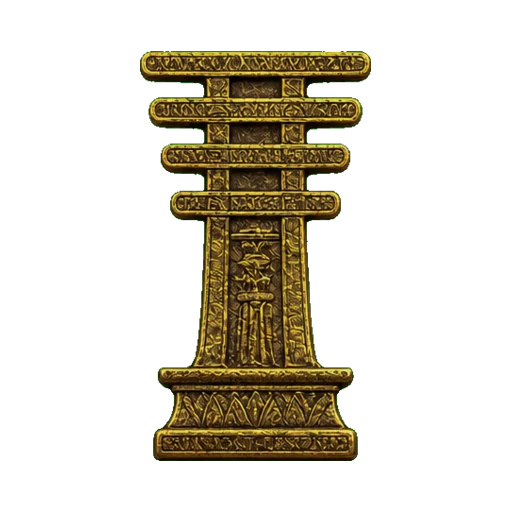
Djed pillar
The djed means stability and became associated with Osiris’s backbone and restoration. Raising the djed was a powerful ritual image of renewed order.
Atef crown
The tall white crown with side feathers marks Osiris’s divine kingship. Crowns must be read with posture, body form, and accompanying inscriptions.
Crook and flail
These royal insignia express authority and rulership. They are not unique to Osiris, but their combination with the wrapped body strongly identifies him.
Green, black, and grain
Colors and germinating grain emphasize fertility, Nile soil, and regeneration. They do not mean Osiris was imagined as an ordinary green-skinned person.
Ancient evidence and modern interpretation
Modern spiritual, psychological, and artistic readings can be meaningful. They are labelled separately here so that contemporary practice does not become a fabricated ancient quotation or universal historical rule.
Frequently asked questions
What is Osiris’s main symbol?
The djed pillar is his most distinctive emblem, while the Atef crown, crook, flail, and wrapped body identify his figure.
What does Osiris’s green skin mean?
It communicates vegetation, fertility, and regenerated life rather than a literal skin color.
Continue exploring
Sources and further reading
Last reviewed: July 27, 2026.