


Reviewed and updated Jul 27, 2026
The Osiris cycle tells how Seth kills Osiris, Isis restores and protects him, and Horus contests the kingship. Osiris does not simply return to his old earthly throne; he becomes enduring ruler among the dead.
This guide belongs to the Osiris pillar. You can also select Osiris in the interactive Atlas of Deities to view documented relationships.
Quick answer
A clear reconstruction of the Osiris myth that explains why familiar details come from sources separated by centuries.
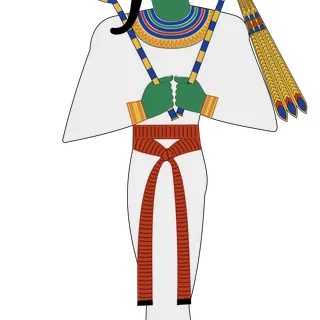
Death of Osiris
Egyptian sources often allude to the killing rather than narrate one complete dramatic scene. Later accounts supply details that became popular in modern retellings.
Isis and restoration
Isis searches, mourns, protects, and uses ritual power to make continuity possible. Nephthys, Anubis, and other figures can participate depending on the source.
Horus and succession
Horus’s struggle with Seth concerns rightful kingship as well as family revenge. The living king could be aligned with Horus and the deceased king with Osiris.
Regeneration, not a simple return
Osiris’s renewed existence is underworld kingship. Comparing it with later resurrection traditions can be useful only when cultural differences remain visible.
Ancient evidence and modern interpretation
Modern spiritual, psychological, and artistic readings can be meaningful. They are labelled separately here so that contemporary practice does not become a fabricated ancient quotation or universal historical rule.
Frequently asked questions
Did Isis bring Osiris back to life?
She restores him sufficiently for continuity and conception, but Osiris remains ruler in the realm of the dead rather than resuming ordinary earthly life.
Was Osiris cut into fourteen pieces?
Specific counts are prominent in later sources and retellings; earlier Egyptian evidence does not preserve one uniform narrative count.
Sources and further reading
Last reviewed: July 27, 2026.