
A grounded note: Astrology is a symbolic and divinatory tradition, not a scientifically validated method for predicting events or personality. Historical evidence, modern correspondence systems and personal interpretation are identified separately in this guide.
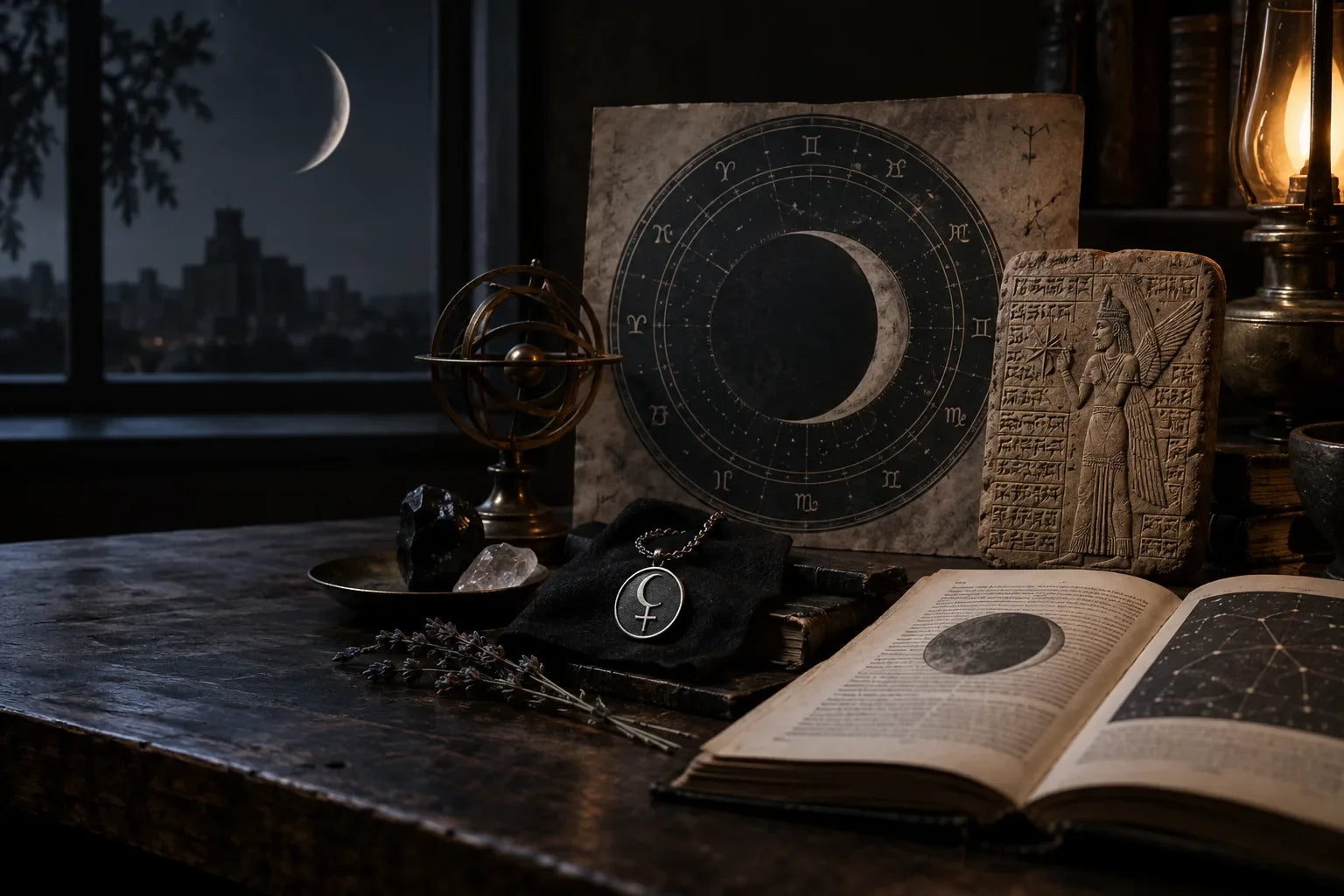
Ishtar and Venus are two iconic deities from ancient cultures, yet their link transcends borders, rooted in a shared cosmic symbolism. This celestial body has long been a symbol of love, beauty, fertility, and power. Exploring the connection between Ishtar and Venus reveals a deeper understanding of their roles in myth, spirituality, and cosmic order.
Ishtar: The Star of Heaven and Earth
Ishtar, a prominent goddess in Mesopotamian mythology, held dominion over love, fertility, and war. Her dual nature is a striking feature—she could be both a life-giver and a fierce destroyer. In addition to these earthly domains, Ishtar was directly connected to the planet Venus, known as the "star of Ishtar." The Mesopotamians recognized Venus’s dual appearance in the sky, shining as both the morning and evening star, which mirrored Ishtar’s dual role as a goddess of love and war.
The cyclical movements of Venus in the sky were seen as representing Ishtar’s cosmic dance between realms. In her myth, Ishtar's descent into the Underworld to face her sister Ereshkigal symbolizes the planet’s disappearance during its setting phase, while her eventual return to the heavens parallels Venus’s reemergence. This cosmic pattern linked Ishtar to the cycles of death, rebirth, and transformation, making her not only a goddess of love but also of cosmic balance.
Venus: The Roman Goddess of Love and Beauty
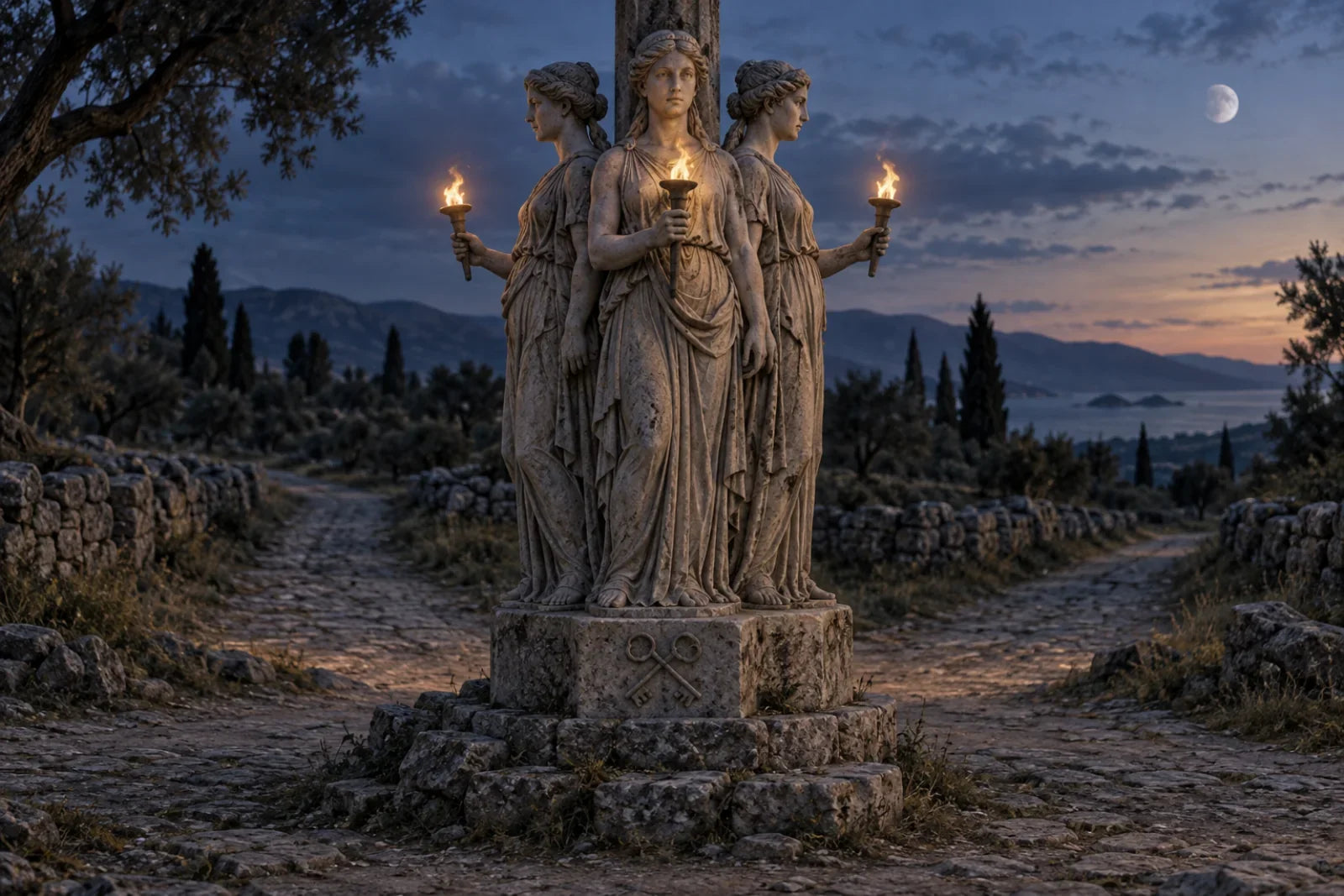
Venus, the Roman goddess, shares many traits with Ishtar, particularly in her embodiment of love, beauty, and fertility. While primarily celebrated for her role in love and harmony, Venus was also connected to martial prowess, especially as Venus Victrix, the goddess who granted victory in battle. This duality recalls Ishtar’s own dual nature.
The planet Venus, after which the goddess is named, has always held significant astrological importance in both Roman and earlier cultures. Known for its radiant presence in the dawn and dusk, the planet symbolized the cycle of life, fertility, and the heavens’ ever-changing influence on earthly affairs. For the Romans, Venus's connection to this planet reinforced her as a figure of beauty, balance, and cosmic influence over both life and death.
The Cosmic Connection: Venus as a Celestial Mirror
Across different ancient cultures, the planet Venus was seen as one of the brightest celestial bodies visible to the naked eye. Its regular phases—appearing first as the morning star, then disappearing briefly before reemerging as the evening star—were seen as symbolizing the cycle of life, death, and rebirth.
In Mesopotamia, Venus’s role in the sky was central to Ishtar’s mythology, marking her influence over both heaven and earth. In Roman culture, this connection persisted as Venus became a symbol not only of love and beauty but of the cosmic forces that shape human existence. The planet’s cycles were often associated with both deities’ powers to influence fertility, renewal, and the balance of life.
A Universal Archetype: Love, War, and the Heavens
The archetype of a goddess embodying both love and war, linked to the planet Venus, is a recurring theme in ancient spiritual traditions. Ishtar and Venus, while from distinct cultures, represent a universal connection between the forces of creation and destruction, life and death. Their shared connection to the planet Venus underlines their roles as cosmic mediators between earthly life and celestial order.
The planet’s dual phases symbolize the ongoing cycles of nature, fertility, and the human experience. Whether viewed through the lens of Mesopotamian or Roman mythology, Venus (the planet) and the goddesses associated with it serve as powerful symbols of the universe’s duality—light and dark, love and conflict, creation and destruction. Both Ishtar and Venus embody these forces, acting as mediators of balance within both the human world and the cosmos.
Conclusion: The Cosmic Dance of Ishtar and Venus
The connection between Ishtar and Venus highlights how ancient cultures found divine meaning in the movements of the stars. These goddesses, though originating in different regions, share a profound link through their associations with the planet Venus. Their myths not only represent the forces of love, fertility, and war but also embody the cyclical nature of existence itself, mirrored in the stars.
Both Ishtar and Venus remind us of the intricate relationship between the divine, the cosmos, and the human experience, with the planet Venus serving as a beacon of this enduring connection.
Sources and further reading
- Jeremy Black and Anthony Green, Gods, Demons and Symbols of Ancient Mesopotamia
- What Is the Symbol of Ishtar? 8-Pointed Star Meaning
- Ishtar and Inanna: Goddess, History, Myths, and Worship
Frequently asked questions
Why was Ishtar associated with Venus?
Mesopotamian observers identified the bright morning and evening star with Inanna-Ishtar and incorporated its appearances into religious texts and omens.
Is the eight-pointed star a symbol of Ishtar?
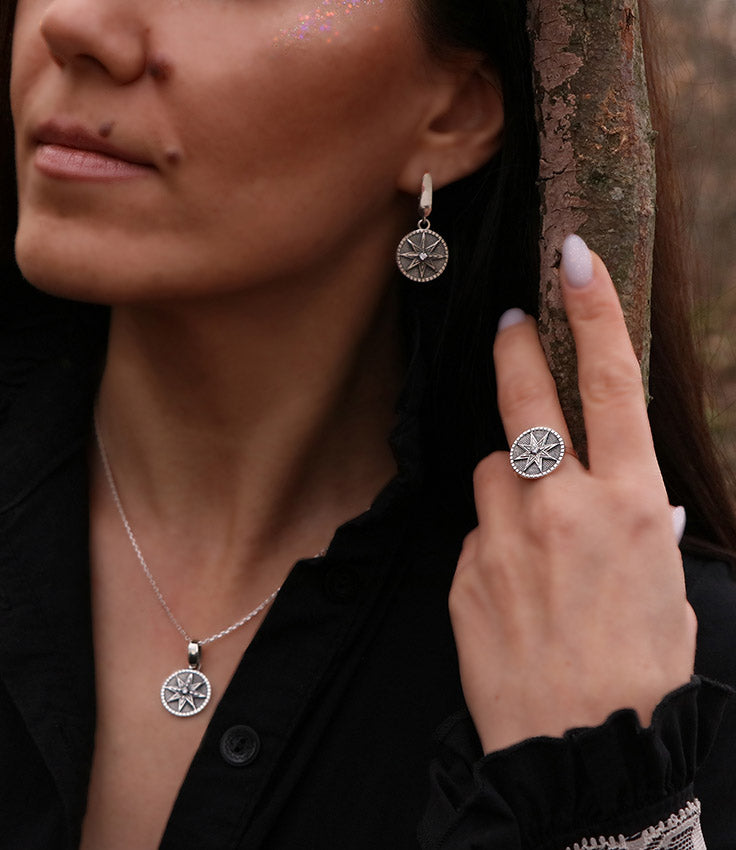
Yes. The eight-pointed star is widely associated with Inanna-Ishtar and the planet Venus in Mesopotamian iconography.
Are Inanna and Ishtar the same goddess?
Inanna is the Sumerian name and Ishtar the Akkadian name, but their traditions developed across languages, cities and periods rather than remaining perfectly identical.