

A grounded note: Astrology is a symbolic and divinatory tradition, not a scientifically validated method for predicting events or personality. Historical evidence, modern correspondence systems and personal interpretation are identified separately in this guide.
Lilith is one of the most enigmatic and powerful figures in both astrology and paganism, embodying the wild, untamed feminine energy that defies societal norms and challenges traditional ideas of submission. In astrology, she is represented as "Black Moon Lilith," a point in the chart that symbolizes independence, rebellion, and primal desires. In paganism, Lilith is revered as an archetype of the Dark Goddess—embodying freedom, sexuality, and the fierce rejection of patriarchal control.
Understanding the relationship between Lilith in astrology and paganism offers insights into how her energy influences both our spiritual and personal lives, calling us to explore our shadow selves and embrace our innate power.
Lilith in Astrology: The Dark Moon and the Rebellious Feminine
Astrologically, Lilith is not a planet but a calculated point in the sky, often referred to as Black Moon Lilith. She represents the "shadow" aspect of the moon, embodying the hidden, rejected, and primal parts of our psyche—those that don’t conform to societal expectations, especially around femininity and sexuality. Lilith in astrology is tied to themes of personal autonomy, sexual liberation, and defiance against being controlled or suppressed.
The placement of Lilith in your birth chart reveals where you may experience a deep desire for independence and where societal or external pressures have pushed you to repress parts of yourself. Her energy is raw, confrontational, and unapologetically honest, encouraging us to live authentically, free from the limitations imposed by others.
Key Themes of Lilith in Astrology
• Sexuality and Autonomy: Lilith embodies sexual freedom and unbridled expression. In astrology, her placement often highlights where we might feel repressed or where we need to reclaim power over our bodies and desires.
• Rebellion and Independence: Lilith’s energy is rebellious by nature, resisting control and rejecting imposed limitations. Her astrological influence encourages individuals to break free from oppressive structures, whether in relationships, work, or society at large.
• Shadow Work: Lilith also represents the parts of ourselves that we hide or are afraid to face. Her presence in the chart invites us to engage in shadow work—acknowledging the darker, suppressed aspects of ourselves and integrating them into our conscious being.
Lilith in Paganism: The Dark Goddess Archetype
In paganism, Lilith is often embraced as a goddess of the dark feminine, an archetype of the wild woman who refuses to be domesticated or dominated. Unlike other goddesses who may represent nurturing or motherly roles, Lilith embodies raw, primordial power. She is often associated with night, the moon, sexuality, and independence, aligning her with goddesses like Hecate or Kali, who also represent aspects of destruction, transformation, and the shadow self.
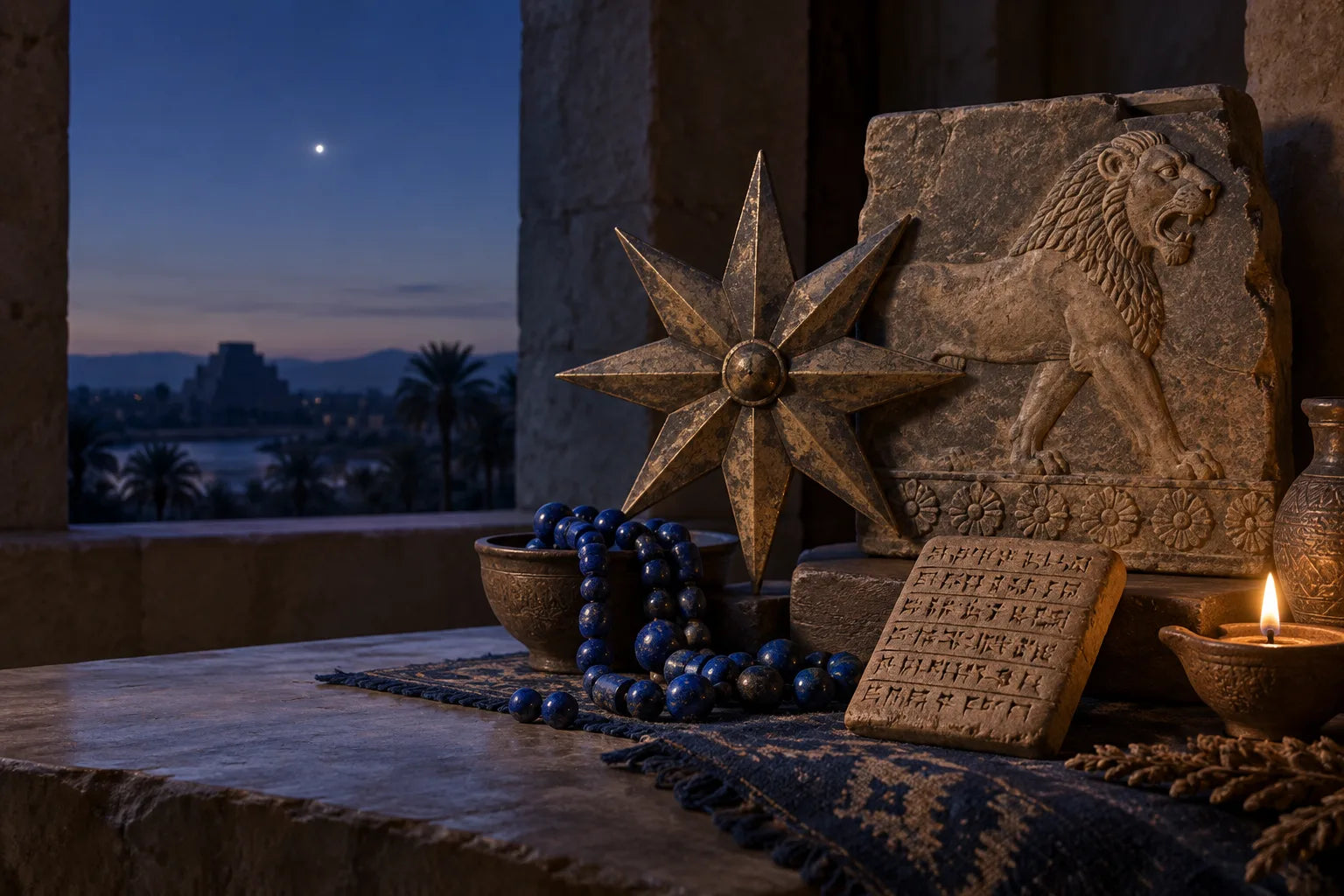
Lilith’s mythology, originating from ancient Jewish and Mesopotamian traditions, tells of her refusal to submit to Adam in the Garden of Eden, choosing exile over subservience. This act of defiance turned her into a symbol of female autonomy and rebellion, which resonates deeply within many pagan traditions. In modern paganism, Lilith is celebrated for her unapologetic assertion of personal sovereignty, particularly over one’s body, desires, and choices.
Lilith as a Symbol of Feminine Power in Paganism
• Sexual Freedom and Empowerment: As in astrology, Lilith in paganism represents sexual autonomy. She teaches that sexuality is a sacred and powerful force, not something to be feared or controlled. Her energy invites pagans to honor and embrace their sexual desires as an integral part of their spiritual and personal power.
• Rejection of Patriarchy: Lilith’s mythology makes her a powerful symbol of rebellion against patriarchal norms. She stands for women’s right to say "no" and choose their own path.
In this sense, she is often invoked in feminist pagan rituals and practices that seek to dismantle oppressive systems and empower individuals to live freely.
• Shadow Work and Self-Acceptance: Lilith’s connection to the shadow self in both astrology and paganism aligns her with the practice of shadow work. As a Dark Goddess, Lilith encourages us to confront our fears, desires, and anger—everything that has been pushed into the unconscious due to societal conditioning. By working with Lilith, pagans can access deep healing and transformation by integrating these hidden parts of themselves.
Conclusion
Lilith, both in astrology and paganism, represents the fierce, wild feminine that cannot be tamed. She calls us to embrace our shadow, reclaim our personal power, and live with unapologetic authenticity. By working with Lilith, whether through astrological exploration or pagan ritual, we can tap into a source of immense strength, healing, and freedom. Her energy challenges us to confront the parts of ourselves that have been silenced or repressed, leading us to deeper self-awareness and empowerment. In a world that often seeks to control or diminish feminine power, Lilith stands as a reminder that our true strength lies in our ability to live freely and fully, without compromise.
Sources and further reading
- Who Is Lilith? Meaning, Origins, Myth, and Modern Symbolism
- Lilith Sigil Meaning: Modern Origins, Symbolism and Jewelry
- Raphael Patai, The Hebrew Goddess - historical discussion of later Lilith traditions
Frequently asked questions
Is Black Moon Lilith a planet?
No. It is a calculated point related to the Moon's orbital apogee, not a physical planet or asteroid.
Is astrological Lilith the same as ancient Lilith?
Not exactly. Modern astrology draws on later Lilith imagery, while ancient Mesopotamian and Jewish traditions developed in different contexts.
What does Lilith symbolize in modern Paganism?
Interpretations often emphasize autonomy, refusal, shadow work and excluded voices, but no single meaning represents every practitioner.