
Reviewed and updated Jul 27, 2026
Freyja’s best-known attributes are Brísingamen, cats and a cat-drawn chariot, a falcon garment, the boar Hildisvíni, Fólkvangr, and seiðr.
This guide belongs to the Freyja pillar. You can also select Freyja in the interactive Atlas of Deities to view documented relationships.
Quick answer
A source-aware guide to Freyja’s best-known attributes and their different levels of literary and archaeological evidence.
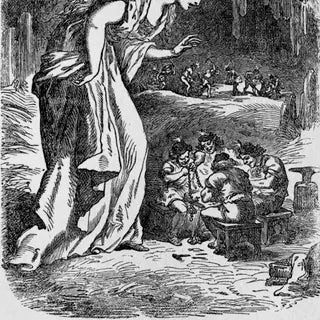
Brísingamen
The necklace expresses precious wealth, beauty, status, and narrative conflict. Details about its acquisition depend on later sources and should not all be treated as equally early.
Cats and the chariot
Snorri describes Freyja’s cat-drawn vehicle. Viking Age cat objects can illuminate the cultural presence of cats, but an isolated cat figurine is not automatic proof of Freyja worship.
Falcon garment and boar
The falcon garment enables movement across worlds in myth; Hildisvíni links the goddess with the boar. Both became strong modern visual identifiers.
Staff and seiðr
Staffs from ritual graves support the study of seiðr specialists. Freyja’s textual connection to seiðr makes the staff meaningful, but object interpretations remain scholarly arguments.
Ancient evidence and modern interpretation
Modern spiritual, psychological, and artistic readings can be meaningful. They are labelled separately here so that contemporary practice does not become a fabricated ancient quotation or universal historical rule.
Frequently asked questions
What animal represents Freyja?
Cats and the boar are her strongest animal associations in surviving literature.
Are runes Freyja’s symbol?
Runes belong broadly to Norse writing and magical traditions, but they are more directly connected in myth with Odin than with a unique Freyja emblem.
Continue exploring
Sources and further reading
Last reviewed: July 27, 2026.