
Reviewed and updated Jul 27, 2026
Freyja’s power includes seiðr and authority over half the battle-dead. These roles show that love, fertility, magic, war, and death were not mutually exclusive divine categories.
This guide belongs to the Freyja pillar. You can also select Freyja in the interactive Atlas of Deities to view documented relationships.
Quick answer
A focused guide to Freyja’s magical and martial roles, with clear boundaries between medieval texts, archaeology, and modern practice.
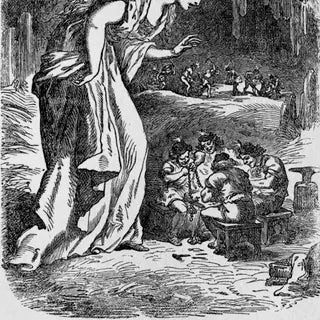
Teaching seiðr
Ynglinga saga credits Freyja with introducing seiðr among the Aesir. The source is late, but it preserves an important traditional association.
Fólkvangr and Sessrúmnir
Grímnismál names Freyja’s field and says she chooses half the slain. Sessrúmnir is her hall within that realm.
Völur and staffs
Archaeological staff burials help reconstruct ritual specialists often called völur. Connections with Freyja are plausible in interpretation, not inscriptions naming every buried practitioner.
Modern practice and ethics
Modern Heathens may honor Freyja through seiðr-inspired work, devotion, or memorial practice. Historical claims should remain distinct from reconstructed ritual.
Ancient evidence and modern interpretation
Modern spiritual, psychological, and artistic readings can be meaningful. They are labelled separately here so that contemporary practice does not become a fabricated ancient quotation or universal historical rule.
Frequently asked questions
Did Freyja teach Odin magic?
A later prose source says Freyja introduced seiðr to the Aesir; it does not provide a complete historical ritual curriculum.
Do all warriors go to Valhalla?
No. Grímnismál says Freyja receives half the slain in Fólkvangr and Odin receives the other half.
Continue exploring
Sources and further reading
Last reviewed: July 27, 2026.