
To begin reading runes for reflection, choose one consistent rune system, ask a clear question, draw one or three pieces, and interpret each symbol in relation to a position you chose beforehand. Write down your reasoning and a practical next step. This guide teaches a modern reflective method-not a proven way to predict the future.
Runes: alphabet first, modern reading second
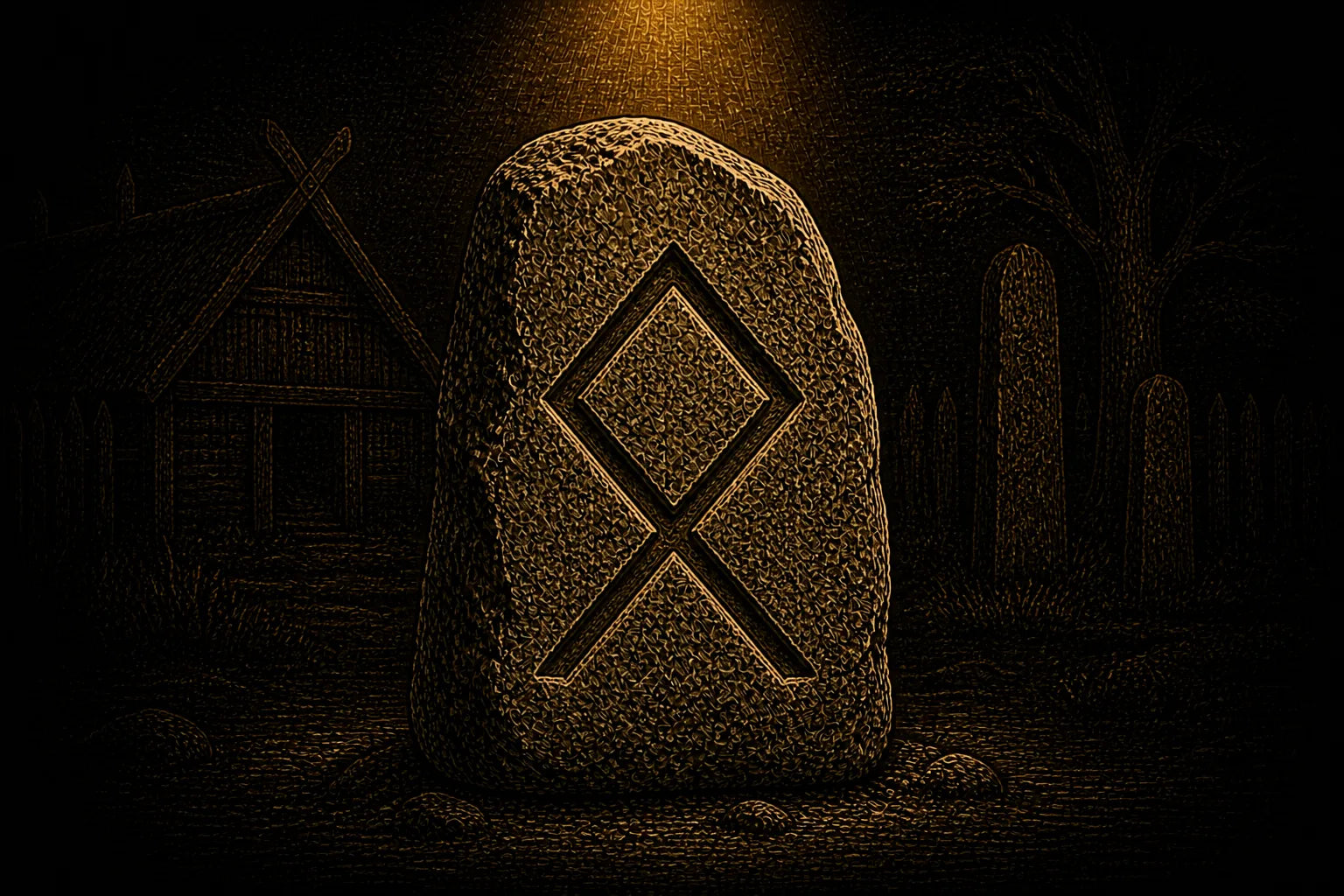
Runes are historical writing signs, not simply pictures with fixed fortune-telling messages. The National Museum of Denmark explains their use as a Germanic writing system. Its educational introduction distinguishes the earlier 24-sign alphabet from the 16-sign Viking Age alphabet.
This guide uses the 24-rune Elder Futhark because it provides a consistent set for the exercises. That does not make our layouts a recovered Viking manual. Nor should the 24-rune alphabet automatically be called the alphabet of every Viking Age inscription.
Tacitus, Germania 10, describes divination with marked pieces of wood. However, the passage does not identify a 24-rune set or provide the meanings used in modern guidebooks. It cannot establish this exercise as an unchanged ancient practice.
What you need before your first reading
Use 24 distinguishable pieces, a pouch or another way to mix them without looking, a clear surface, and a notebook. Purchased stones are optional. Labeled paper cards can serve as a learning set if the drawings are clear and each piece has the same back.
Check your set against our Elder Futhark overview. Learn each sign’s name and form before trying elaborate spreads. Decide which reference you will use and keep historical name or poem evidence separate from the modern interpretive keywords you add.
A blank piece is not one of the 24 Elder Futhark letters. If your kit contains one, leave it out for the exercises here. That gives you a defined method rather than a new rule invented midway through a reading.
You do not need to charge the pieces under a particular moon or cleanse them with salt. A quiet start and clean hands are sufficient for this exercise. Avoid treatments that could damage paper, wood, metal, or stone.
Ask a question you can work with
A good question leaves room for observation and action. “What should I consider before committing to this project?” is more useful for reflection than “Will everything definitely work out?” The first invites you to notice resources, constraints, and choices. The second asks the pieces for certainty they cannot supply.
- Instead of “What is another person secretly thinking?”, try “What assumptions am I making about this conversation?”
- Instead of “Will I succeed?”, try “What useful action can I take next?”
- Instead of repeating the same question until you like the result, record the first reading and review it later.
Keep the topic low stakes while learning. Do not use a rune draw as a substitute for evidence, professional advice, or another person’s consent.
A one-rune reading, step by step
- Write the question. Keep it to one clear sentence.
- Mix and draw. Select one piece without watching its face.
- Identify it. Write its name and confirm the shape in your reference.
- Record a keyword. Label it as your chosen modern interpretation rather than a literal prediction.
- Connect it to the question. Write at least two possible readings so that you do not force the first association.
- Choose one action. End with something small, observable, and within your control.
For example, suppose you ask how to approach a difficult conversation and draw Ansuz. Using “communication” as a modern keyword, you could consider either expressing yourself more clearly or listening before responding. A practical action might be to write your main point and one genuine question before the meeting. The draw does not reveal what the other person will say.
A three-rune spread with a worked example
Define the positions before drawing. For this practice, place three pieces in a row, reading left to right: 1. Situation → 2. Challenge → 3. Useful response. These positions are an editorial teaching layout, not an ancient formula.
Imagine your question is: “How can I prepare for a small creative project?” You draw Fehu, Nauthiz, and Raidho.
- Situation - Fehu. Using “resources” as your working keyword, list what you already have: time, materials, skills, and people who can help.
- Challenge - Nauthiz. Using “constraint,” identify the real limit. Perhaps you only have two evenings available. Do not turn that into a prediction of inevitable failure.
- Useful response - Raidho. Using “a deliberate route,” create a sequence: outline the work, make a small first version, then review it.
The combined reading becomes a plan: use the resources already available, accept the time constraint, and make a manageable sequence. Other interpretations are possible. The value of the exercise is in explaining why an interpretation fits your circumstances, not claiming that the symbols force one outcome.
In your journal, separate the draw from what you knew already. That makes it easier to see whether you are adding insight or simply repeating your expectations.
Drawing, casting, and reversed runes
Drawing pieces from a pouch gives a beginner a clear number and order. Casting usually means scattering pieces onto a surface and interpreting their arrangement. If you later try casting, decide beforehand which pieces count and how you will treat distance, clusters, or face-down signs. Otherwise it is easy to change the rules to obtain a preferred answer.
For the first exercises, ignore orientation and read each rune by its identified sign. Reversed meanings are not a universal requirement, and some shapes do not produce a distinct reversal. If you adopt an orientation rule later, write it down first and apply it consistently.
Keep a small reading repeatable before making it complex. Ten scattered pieces with undefined positions can produce more confusion than one clearly framed question.
Keep a useful rune journal
Record the date, question, method, positions, drawn signs, interpretation, and next action. Add a later note about what happened without rewriting the original entry. Include readings that did not feel useful; only saving memorable matches gives you an incomplete picture.
A good review question is “Did this help me notice a choice?” rather than “How can I make everything that happened fit the draw?” If readings leave you anxious or compelled to keep checking, take a break. The practice should not take away your agency.
Optional rune jewelry for study
A single sign worn regularly can prompt you to learn its history. The Elder Futhark Rune Bracelet offers a choice among the 24 runes. The Mini Elder Futhark Rune Necklaces are listed in 925 sterling silver with an adjustable black cotton cord.
Neither item is necessary to read runes, and a single pendant or bracelet should not be confused with a full divination kit. Choose jewelry for its design and meaning, not a promise that it will improve prediction.
Explore the rune bracelet and silver mini necklaces below →
Sources and further reading
- National Museum of Denmark: What are runes? - historical writing context.
- National Museum of Denmark: Runes - alphabet sizes and inscription examples.
- Tacitus, Germania 10, via Perseus - the marked-lots passage and its limits.
- Our introduction to divination - broader context.
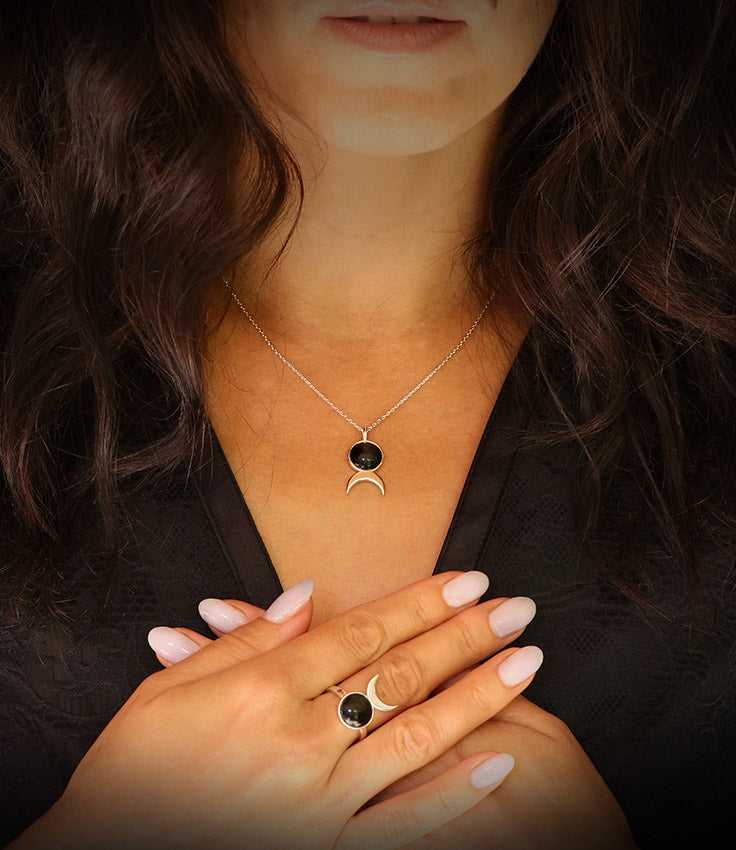
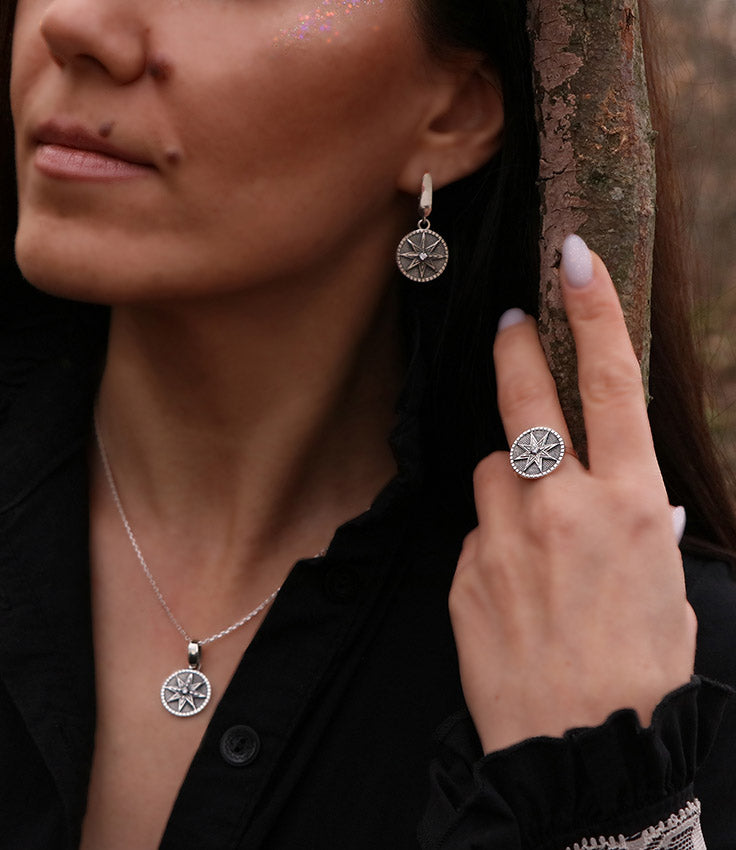
The layouts and worked interpretations are modern educational exercises. Product photographs show jewelry from Pagan Workshop, not excavated objects or a rune-casting kit.
From the workshop