



Reviewed and updated Aug 14, 2026
During Opet, the hidden god left his sanctuary. Amun-Ra, Mut, and Khonsu traveled in sacred barques from Karnak to Luxor while priests, musicians, dancers, soldiers, officials, and crowds transformed the riverbank and processional road into a living field of divine presence. The journey renewed the gods, the king, and Egypt as the Nile rose.
At a glance
- Season: during the Nile inundation, in the month Paopi
- Divine family: Amun-Ra, Mut, and Khonsu of Thebes
- Route: Karnak to Luxor Temple by river and/or processional road
- Ritual mood: public rejoicing around a hidden divine mystery and the renewal of kingship
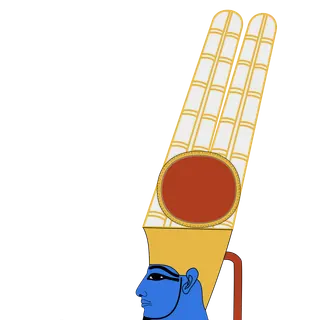
When the god comes near
Amun’s name evokes hiddenness, and his cult image ordinarily remained deep inside temple space. At Opet the image was enclosed within a shrine on a ceremonial barque and carried outward. People could not simply look upon the god, yet oracle, movement, incense, music, and the visible shrine made his presence close enough to encounter. Concealment intensified rather than weakened the sacred charge.
The procession between two temples
Reliefs at Karnak and Luxor show richly equipped barques, priests bearing poles, boats moving on the Nile, musicians with sistra, dancers, offerings, and crowds. Over time the festival lengthened. The route linked great temples into one ritual body, while stations along the way provided moments for rest, offering, and renewed contact.
Flood, kingship, and rejuvenation
Opet unfolded during inundation, when the river covered fields and promised new fertility. Within Luxor Temple, rites renewed the royal ka and affirmed the king’s bond with Amun. Divine vitality flowed into political and agricultural life. The return to Karnak completed a circuit: the god who had traveled and renewed the land came home changed and powerful.
A modern Kemetic procession
Place images or symbols of Amun, Mut, and Khonsu in a small covered shrine or box. Offer cool water, bread, flowers, incense, and the sound of a bell or sistrum. Carry the shrine slowly from one prepared altar to another, pausing at doorways for praise. At the second altar, uncover only what is appropriate in your practice, speak blessings for household and community, then return the shrine. Modern Kemetic practitioners often mark Opet through procession, hymns, offerings, and joyful hospitality.
Practice with care
Adapt the rite to your body, home, climate, and community. Use contained flames, avoid releasing objects that may harm water or wildlife, identify plants before handling them, and never let fasting or ritual drinking override health or consent. A living tradition grows through attention, not through danger.
Books, history, and practitioner voices
- UCLA Encyclopedia of Egyptology - The Opet Festival
- Digital Karnak - Processional Routes and Festivals
- r/Kemetic: modern Opet observance
Last reviewed: August 14, 2026. Historical sources, books, folklore, and contemporary practitioner experience are brought together here as parts of a living ritual conversation.