

Reviewed and updated Aug 14, 2026
Before Yule became a neat set of winter decorations, Jól was a feast: ale passed from hand to hand, animals and food were offered, ancestors and gods were remembered, and words spoken over the cup carried unusual weight. Midwinter darkness asked for abundance, loyalty, and a fire large enough to gather around.
At a glance
- Season: midwinter; dates varied before later calendar alignment
- Core actions: feasting, blót, ritual drinking, gift-giving, and oaths
- Divine relationships: Odin and other gods, local powers, ancestors, and the household
- Ritual mood: warmth, continuity, hospitality, and binding words
The feast at the heart of Jól
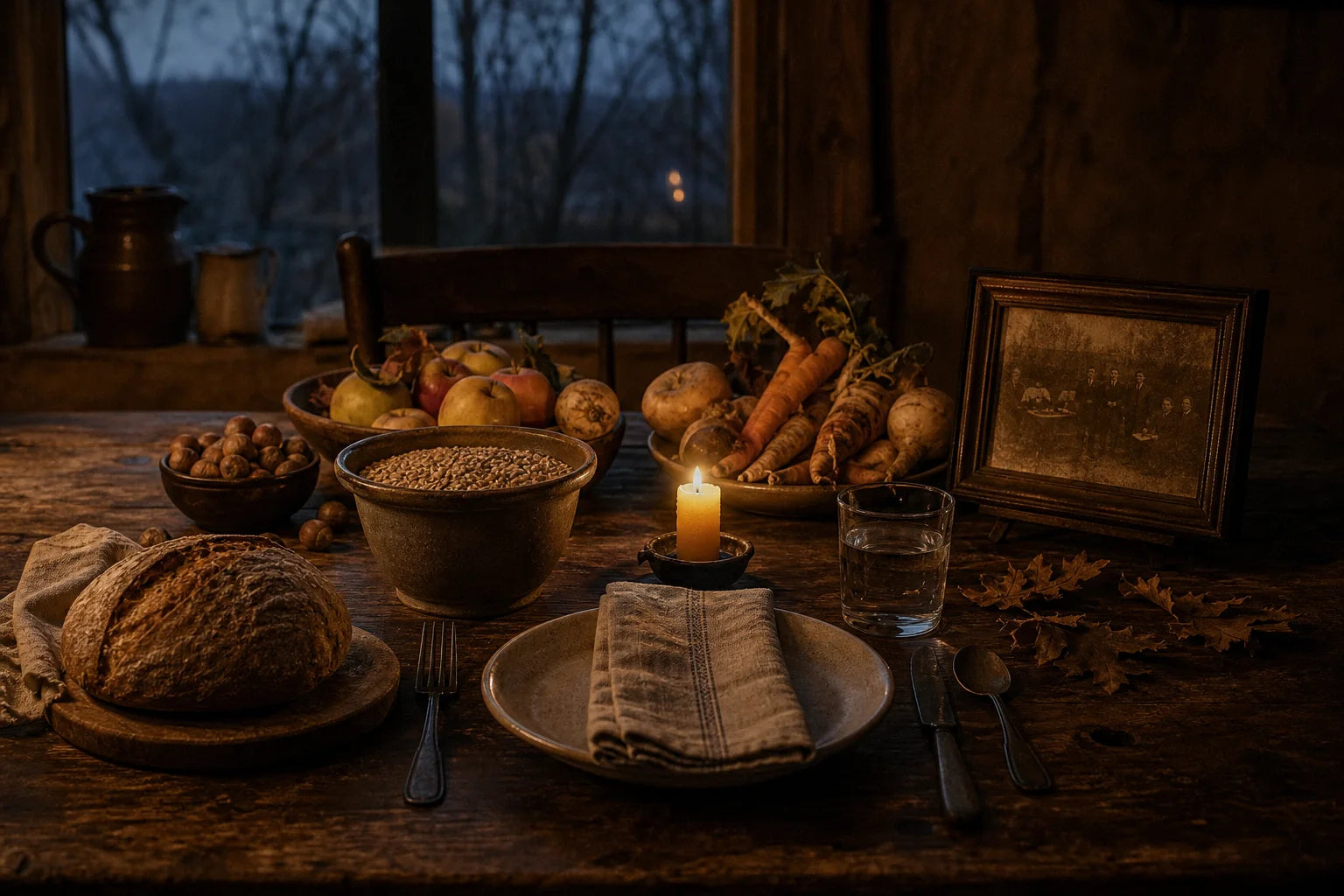
Old Norse sources remember Yule as a period of drinking and sacrificial feasting. Animals were slaughtered for the winter table, ale was brewed, and the hall became a place where sacred and social life met. To “drink Yule” was to celebrate it. Food was not an accessory to the rite; shared abundance renewed the bonds that helped a community survive the hardest part of the year.
Cups for gods, ancestors, and memory
Saga descriptions speak of ceremonial toasts to divine powers, to the ruler, and to departed kin. A cup could carry gratitude to Odin, hopes for a good year and peace, or remembrance of those no longer seated in the hall. Modern Heathens continue this through blót and symbel, though forms differ by group. What persists is the sense that deliberate speech over a shared drink can shape relationship.
The Yule oath
Later tradition links solemn vows with a boar brought before the company. Whether spoken over a feast animal, a cup, or an altar ring, the oath belonged to public accountability. A Yule promise should therefore be chosen carefully: not a dramatic wish, but a commitment the community may witness and help uphold.
A warm household Yule
Prepare a meal that feels abundant within your means and reserve the first portion for the gods, ancestors, or local spirits you honor. Light a hearth fire or safe candle, pass a cup, and let each person offer one gratitude and one promise. Give useful handmade gifts, tell a family or mythic story, and leave room for silence. Reddit discussions among Norse Pagans repeatedly return to the same reassuring principle: there is no need to perform a museum-perfect feast; hospitality, remembrance, and sincere offerings make the celebration alive.
Practice with care
Adapt the rite to your body, home, climate, and community. Use contained flames, avoid releasing objects that may harm water or wildlife, identify plants before handling them, and never let fasting or ritual drinking override health or consent. A living tradition grows through attention, not through danger.
Books, history, and practitioner voices
- The Poetic Edda, Carolyne Larrington translation
- The Saga of Hákon the Good - Heimskringla
- r/NorsePaganism: ways practitioners celebrate Yule
Last reviewed: August 14, 2026. Historical sources, books, folklore, and contemporary practitioner experience are brought together here as parts of a living ritual conversation.