

Reviewed and updated Aug 14, 2026
For nearly two thousand years, initiates walked from Athens toward Eleusis carrying the hope that Demeter and Persephone could change how a person faced life, death, and return. The deepest ritual was protected by silence, but its outer path remains vivid: purification in the sea, fasting, sacred objects, torches, the long procession, kykeon, and a night inside the Telesterion.
At a glance
- Deities: Demeter and Persephone, with Iacchos and associated powers
- Season: the Greater Mysteries in early autumn
- Core movement: purification, fasting, procession along the Sacred Way, initiation at Eleusis
- Ritual promise: a transformed relationship with mortality and the blessings of the goddesses
The myth carried by the road
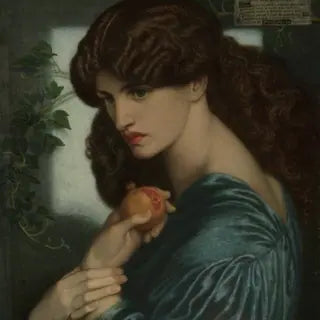
The Homeric Hymn to Demeter tells of Persephone’s descent, Demeter’s grief, the barrenness of the earth, and the agreement that restores seasonal return. Eleusis enters the story when the disguised goddess is received by its royal household. Initiates did not simply hear a myth; they traveled through a landscape in which loss, search, hospitality, revelation, and reunion could be enacted.
Purification, fasting, and procession
Participants gathered in Athens, purified themselves in the sea, observed restrictions and fasting, and then walked the Sacred Way toward Eleusis. At the bridge came ritual joking that recalled Iambe or Baubo breaking Demeter’s grief. Torches evoked the goddess’s search. The drink called kykeon ended the fast and joined each initiate to the myth through the body.
What silence protects
Ancient initiates were forbidden to reveal what happened in the Telesterion. Writers refer to things spoken, shown, and performed, yet the experience itself remains veiled. That silence need not be treated as a missing puzzle to be solved. It teaches that mystery can be a sacred boundary: some knowledge changes us through participation and is diminished when reduced to an inventory.
A devotional journey without imitation
Read the Hymn to Demeter, fast only in a way safe for your body, and take a slow walk carrying a covered candle or electric lantern. Pause to remember a loss, then name what has returned in another form. Drink a simple barley-and-mint beverage if appropriate, offer grain or bread, and sit in darkness before relighting the flame. Modern Hellenic practitioners often create observances around the known public stages while allowing the unrevealed center to remain sacred.
Practice with care
Adapt the rite to your body, home, climate, and community. Use contained flames, avoid releasing objects that may harm water or wildlife, identify plants before handling them, and never let fasting or ritual drinking override health or consent. A living tradition grows through attention, not through danger.
Books, history, and practitioner voices
- The Metropolitan Museum of Art - Mystery Cults
- Hellenion - Eleusinian Mysteries
- r/Hellenism: a modern Greater Mysteries observance
Last reviewed: August 14, 2026. Historical sources, books, folklore, and contemporary practitioner experience are brought together here as parts of a living ritual conversation.