



Reviewed and updated Aug 14, 2026
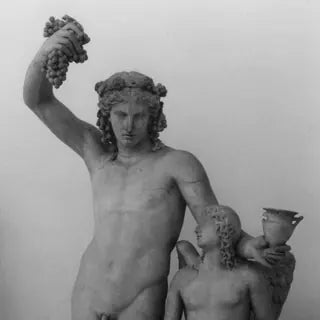
Anthesteria held spring’s sweetness and its shadows in the same cup. Athens opened the previous vintage, welcomed Dionysus, included children in the life of the community, and acknowledged that the dead might also draw near. Across three days-Pithoigia, Choes, and Chytroi-the sealed jar, the individual cup, and the ancestral pot shaped a festival of ripening and thresholds.
At a glance
- Season: the month Anthesterion, around February or March
- Deity: Dionysus, giver of wine, transformation, and ecstatic life
- Three days: Pithoigia, Choes, and Chytroi
- Ritual mood: first taste, convivial competition, liminality, and respectful closure
Pithoigia: opening the jars
On the first day the great storage jars were opened and the new wine tasted. Libations went to Dionysus before people drank. The action was agricultural and magical at once: months of hidden fermentation became fragrance, flavor, and shared blessing. A sealed thing had completed its transformation and could finally enter communal life.
Choes: every person with a cup
The second day took its name from the wine jugs used in drinking contests. Participants drank from individual cups, and even very young children received little choes, marking their growing place in the household. Tradition also connects the day with the sacred marriage of Dionysus and the basilinna. Joy carried an uncanny edge, because doors were protected and the restless dead were thought to move close.
Chytroi: pots for those beyond the table
The third day centered on pots of cooked grains and seeds offered to chthonic powers and the dead rather than eaten by the living. At the close came a firm dismissal: the threshold opened for a time, then it closed. This rhythm matters. Hospitality to spirits is not limitless availability; the rite includes a beginning, an offering, and a clear farewell.
A three-part Anthesteria at home
On the first evening, open a bottle of wine or juice and pour the first small portion for Dionysus. On the second, decorate one cup, toast to joy, and let each guest speak about something ripening in life. On the third, place cooked grains or bread outside in a suitable place, remember the dead by name, then clean the threshold and say that the festival is complete. Practitioners in modern Dionysian communities often adapt the three-day structure because it gives celebration, ancestor work, and closure equal dignity.
Practice with care
Adapt the rite to your body, home, climate, and community. Use contained flames, avoid releasing objects that may harm water or wildlife, identify plants before handling them, and never let fasting or ritual drinking override health or consent. A living tradition grows through attention, not through danger.
Books, history, and practitioner voices
- H. W. Parke, Festivals of the Athenians
- Elaion - Anthesteria ritual guide
- r/dionysus practitioner discussion
Last reviewed: August 14, 2026. Historical sources, books, folklore, and contemporary practitioner experience are brought together here as parts of a living ritual conversation.