
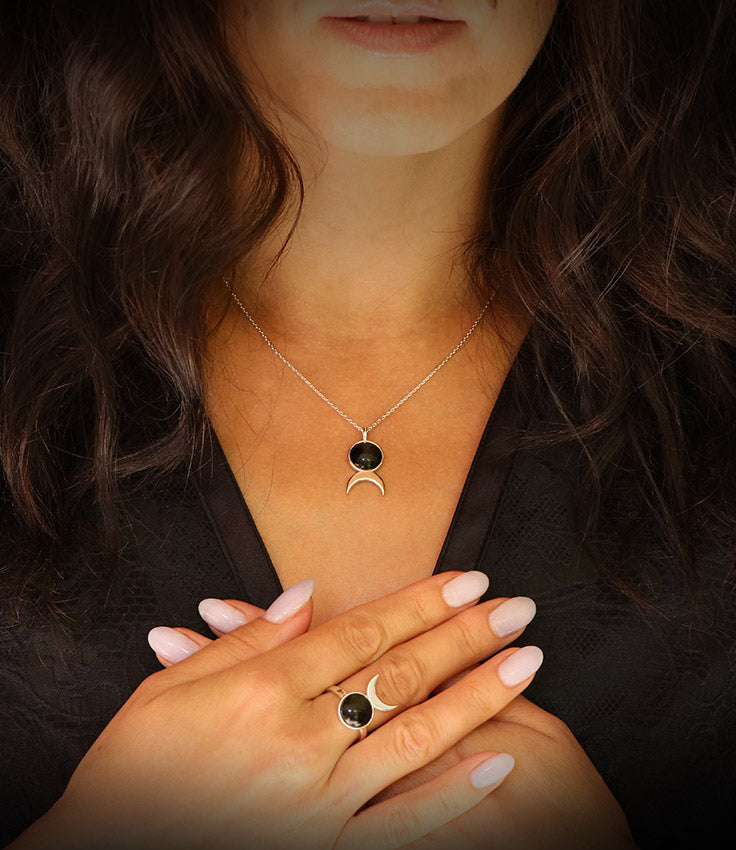
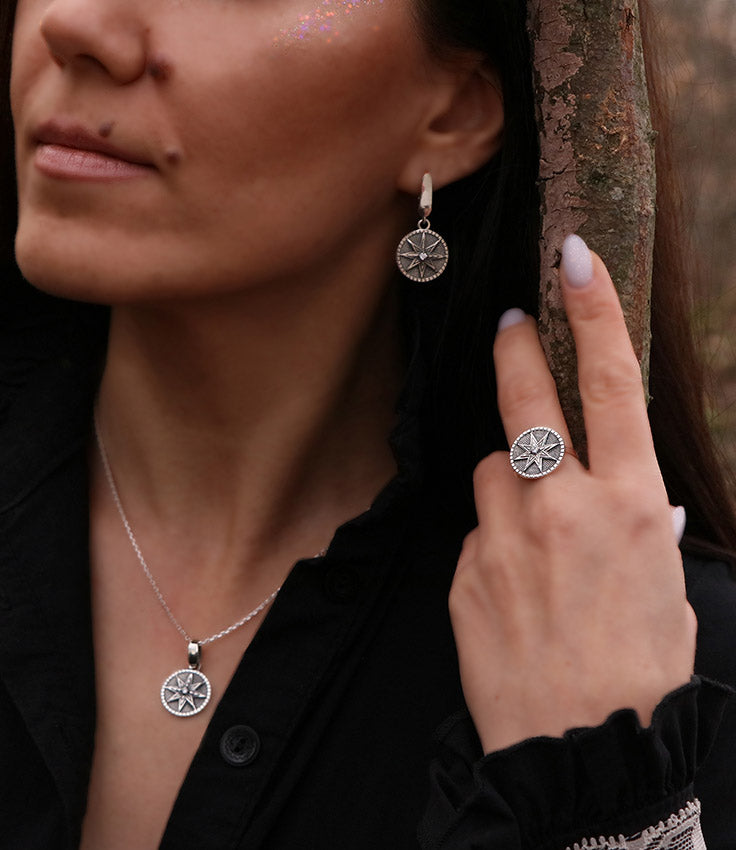

The short answer: an amulet is usually carried or worn to protect from harm, while a talisman is prepared or chosen to attract, strengthen, or direct a desired influence. Historical usage overlaps, so the object's culture, inscription, and function matter more than a rigid modern definition.
At a glance
| Term | Typical function | Examples |
|---|---|---|
| Amulet | Protection, averting harm, guarding a person or place | Inscribed pendant, eye motif, divine image, written prayer |
| Talisman | Attracting or strengthening a quality, opportunity, or influence | Planetary seal, consecrated diagram, object made for a stated aim |
What is the difference between an amulet and a talisman?
The practical distinction is direction. An amulet is commonly described as defensive: it turns away illness, danger, envy, or misfortune. A talisman is commonly described as attractive or empowering: it is intended to draw favor, confidence, prosperity, skill, or a planetary influence.
Real objects do not always fit neatly. A pendant may both guard its wearer and strengthen courage. Dictionaries, museum records, magical texts, and modern practitioners may classify the same object differently. Treat the distinction as a useful guide, not a universal law.
History and terminology
People across the ancient Mediterranean, Near East, Africa, Asia, and Europe wore or placed objects believed to protect, heal, bless, or connect them with divine powers. Materials included stone, metal, bone, clay, glass, plant matter, written text, and bound substances. The English categories amulet and talisman gather many local objects under broad later terms.
The word talisman entered European languages through Arabic and ultimately relates to Greek terms concerning consecration or completion. In Western ceremonial magic, talismans became closely associated with prepared images, names, numbers, and planetary timing. An amulet may also be consecrated, but preparation is not what separates every historical example.
Historical and modern examples
- Egyptian amulets: scarabs, wedjat eyes, deity figures, and other forms had specific funerary and living contexts.
- Mediterranean pendants: eyes, hands, knots, phallic forms, and inscribed gems could avert harmful attention or illness.
- Written amulets: prayers, divine names, scripture, or magical words were folded, enclosed, or worn.
- Planetary talismans: later magical systems prepared images and seals under selected astrological conditions.
- Modern Pagan objects: a pentacle, key, hammer, stone, or deity symbol may be worn protectively, devotionally, or as a personal talisman.
When does jewelry become an amulet?
A necklace does not become an amulet solely because a seller labels it “powerful.” Its amuletic role may come from a traditional protective image, a prayer or dedication, a relationship with a deity, or the wearer's regular use of it as a boundary reminder.
The object remains jewelry too. Material accuracy, durability, comfort, and safe construction matter. A symbolic claim should never replace a clear description of metal, size, finish, and care.
How to choose or make one responsibly
- Define the purpose in ordinary language.
- Research the symbol's own culture and date.
- Avoid copying sacred claims you do not understand.
- Choose a durable and skin-safe material.
- If you dedicate the object, describe the practice as modern unless historical evidence supports otherwise.
- Pair intention with practical action.
For protective symbolism, continue with our guide to Pagan protection symbols.
Frequently asked questions
Can the same object be both?
Yes. Protective and attractive functions often overlap, and terminology varies.
Does a talisman have to be handmade?
No universal rule says so. In some systems the timing, inscription, and consecration matter; in others personal selection and use matter more.
Do gemstones automatically have fixed powers?
No. Stone correspondences vary by period and tradition, and health claims require medical evidence.
Continue exploring
Sources and further reading
Last reviewed: October 2026. Historical evidence and modern spiritual interpretation are identified separately where they differ.
