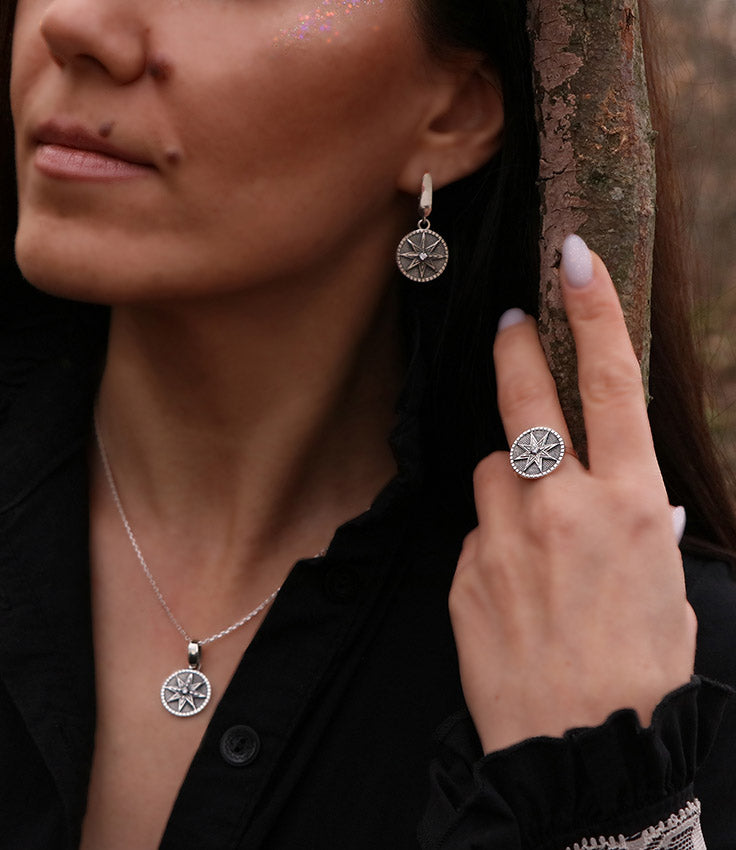

A source-aware guide to archaeological pendants, celestial motifs, and modern national or neopagan reconstructions.
Browse all symbols in Symbols & Meanings.
Symbols in this guide
- Axe pendants associated with Perun in modern interpretation
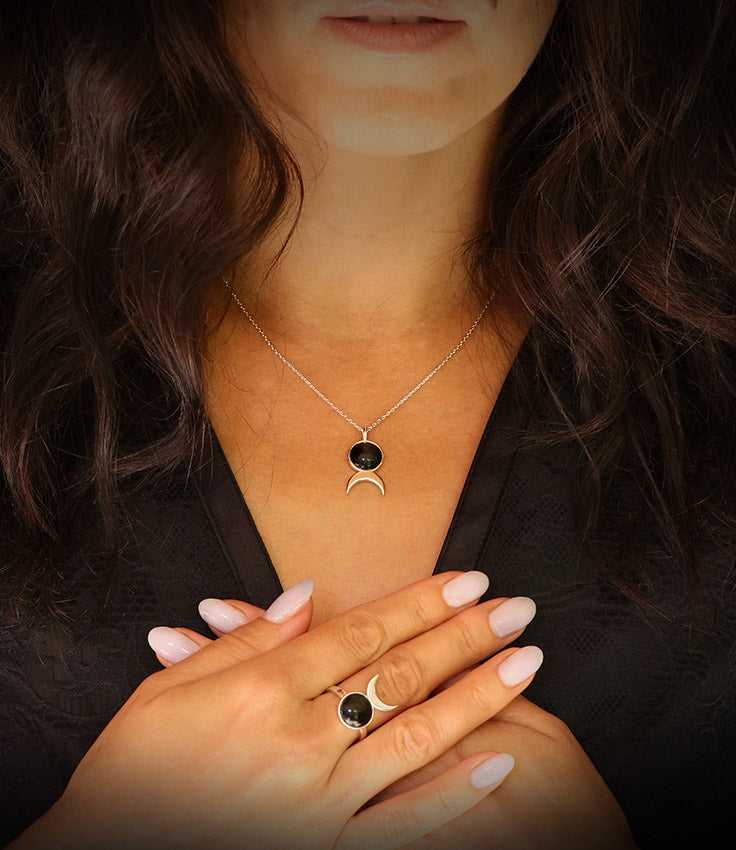
- Lunula pendants - widespread crescent forms with regional variation
- Sun-wheel and rosette motifs
- Thunder and lightning attributes
- Household, textile, and protective ornament
How to read the evidence
- A decorative motif is not automatically the official sign of one deity.
- Archaeological form, excavation context, date, and modern naming should be recorded separately.
- Slavic and Baltic traditions are neighboring but distinct.
From historical object to modern meaning
Start with the dated object, image, inscription, or text. Then identify later reception and finally modern religious or personal use. This preserves both historical accuracy and living meaning.
Frequently asked questions
Do all these symbols have one fixed meaning?
No. Meaning changes with culture, period, object, and community.
Can I wear these symbols respectfully?
Usually, but learn the specific history, avoid false antiquity claims, and consider living cultural or religious context.
Where should I begin?
Open an individual symbol guide, check its evidence label, then follow the related deity, festival, and product links.
Sources and further reading
Last reviewed: August 1, 2026.