
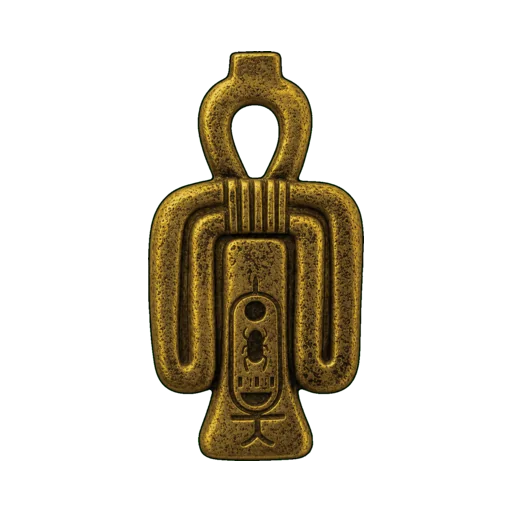
The ankh is the Egyptian sign for life; the tyet is a related-looking protective emblem closely associated with Isis. Their silhouettes, textual uses, and amuletic contexts differ.
Compare more symbols in Symbols & Meanings.
Key differences
- Ankh: loop above a crossbar and vertical stem.
- Tyet: looped top with arms that bend downward.
- Both appear in funerary and divine contexts, but they are not interchangeable.
Why they are confused
Similar shape, later artistic reuse, modern branding, and broad “pagan symbol” lists often remove date and context. Compare the number of elements, associated deity, archaeological setting, inscription, and earliest secure source.
Frequently asked questions
Are these two symbols interchangeable?
No. They may share themes or shapes, but each has its own history and evidence.
Which version should I use?
Choose the symbol that matches the meaning and historical tradition you intend, and describe it accurately.
Does resemblance prove cultural borrowing?
No. Resemblance alone cannot establish transmission or identity.
Last reviewed: August 1, 2026.