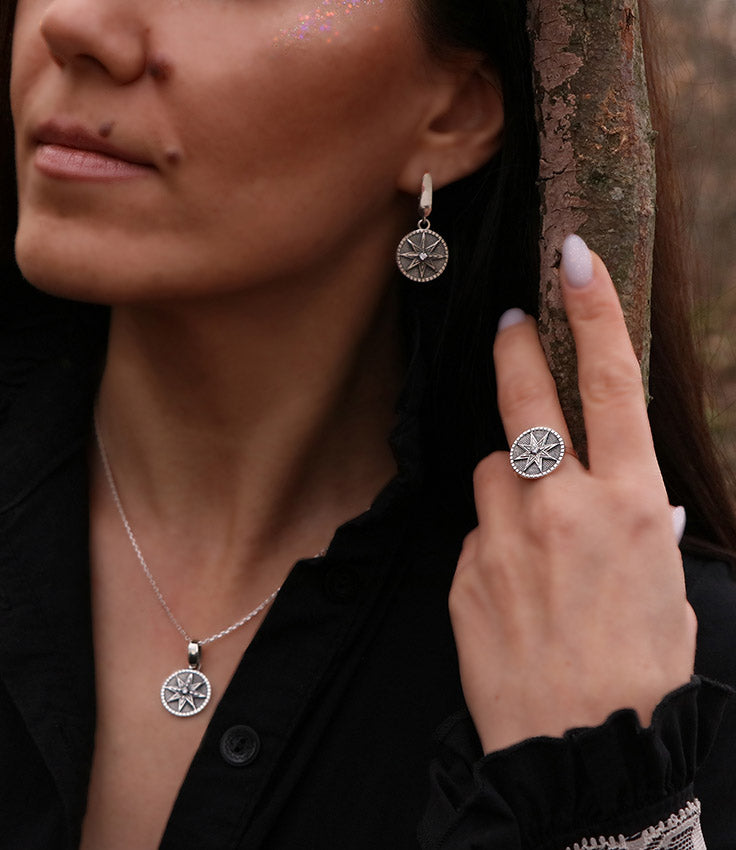

Understand how ritual objects function in particular modern traditions instead of treating them as universal ancient Pagan tools.
Browse all symbols in Symbols & Meanings.
Symbols in this guide
- Athame - ritual blade in specific ceremonial and witchcraft traditions
- Chalice - vessel with varying elemental and devotional meanings
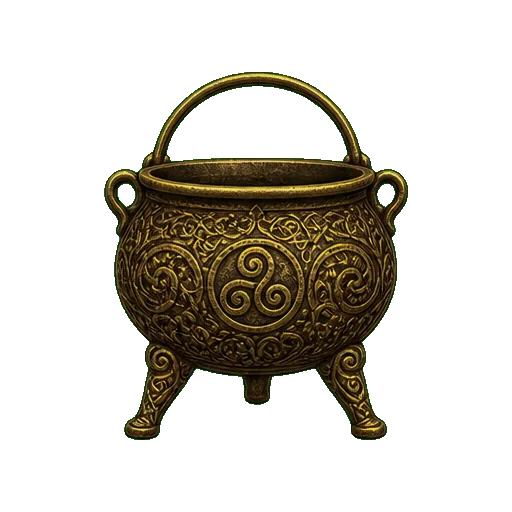
- Cauldron - practical vessel, mythic image, and modern ritual symbol
- Besom - household broom and modern ritual implement
- Pentacle - altar object or emblem in some traditions
How to read the evidence
- Practice varies greatly between Wicca, traditional witchcraft, reconstructionist religions, eclectic Paganism, and individual paths.
- Modern ritual meaning can be authentic without an invented claim of unbroken antiquity.
- Safety and local law matter for blades, fire, herbs, and offerings.
From historical object to modern meaning
Start with the dated object, image, inscription, or text. Then identify later reception and finally modern religious or personal use. This preserves both historical accuracy and living meaning.
Frequently asked questions
Do all these symbols have one fixed meaning?
No. Meaning changes with culture, period, object, and community.
Can I wear these symbols respectfully?
Usually, but learn the specific history, avoid false antiquity claims, and consider living cultural or religious context.
Where should I begin?
Open an individual symbol guide, check its evidence label, then follow the related deity, festival, and product links.
Sources and further reading
- The Museum of Witchcraft and Magic
- Pitt Rivers Museum collections
- The British Library - manuscripts and folklore
Last reviewed: August 1, 2026.