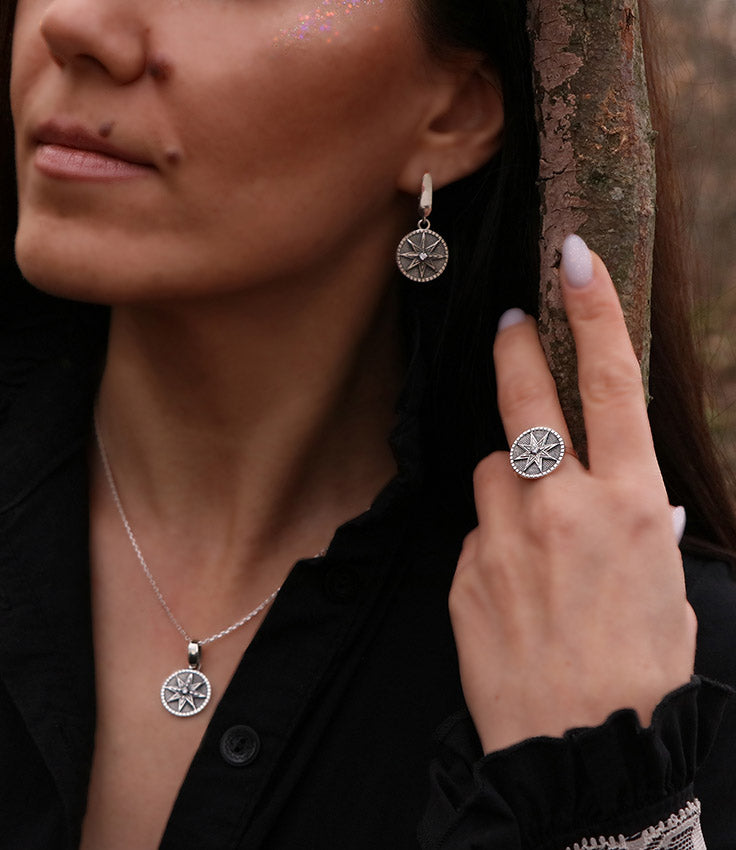

Explore the triquetra, triskelion, Brigid’s cross, Awen, Green Man, interlace, spiral forms, and Cernunnos attributes without treating “Celtic” as one timeless culture.
Browse all symbols in Symbols & Meanings.
Symbols in this guide
- Triquetra - a three-cornered knot in historic and modern art
- Triskelion and triple spiral - distinct threefold forms
- Brigid’s cross - Irish material and living tradition
- Awen - a modern Welsh Druid emblem
- Green Man - a modern name for foliate heads in architecture
- Celtic interlace - an artistic method, not one universal occult sign
- Antlers and torc - attributes in the iconography of Cernunnos
How to read the evidence
- “Celtic” covers different languages, regions, and centuries.
- A medieval Irish cross, a Gaulish god, and a modern Druid emblem require separate dates and labels.
- Meaning should be tied to a specific object, text, or living tradition.
From historical object to modern meaning
Start with the dated object, image, inscription, or text. Then identify later reception and finally modern religious or personal use. This preserves both historical accuracy and living meaning.
Frequently asked questions
Do all these symbols have one fixed meaning?
No. Meaning changes with culture, period, object, and community.
Can I wear these symbols respectfully?
Usually, but learn the specific history, avoid false antiquity claims, and consider living cultural or religious context.
Where should I begin?
Open an individual symbol guide, check its evidence label, then follow the related deity, festival, and product links.
Sources and further reading
- National Museum of Ireland - Brigid’s crosses
- British Museum - Celtic Europe
- Amgueddfa Cymru - National Museum Wales
Last reviewed: August 1, 2026.