

As winter reaches its deepest point and the longest night blankets the world in silence, many pagan traditions celebrate the sacred festival of Yule. Rooted in ancient Northern European and Germanic customs, Yule marks the Winter Solstice - the moment when darkness reaches its peak and the light slowly begins its return.
For modern pagans, witches, heathens, and spiritual seekers, Yule is more than a seasonal celebration. It is a sacred threshold between death and rebirth, stillness and renewal, shadow and illumination. The fire of Yule reminds us that even in the coldest darkness, life quietly waits to awaken again.
What is Yule?
Yule is traditionally celebrated around the Winter Solstice, usually between December 20th and December 23rd in the Northern Hemisphere. In many ancient traditions, this was considered a mystical turning point of the year - the rebirth of the Sun after the longest night.
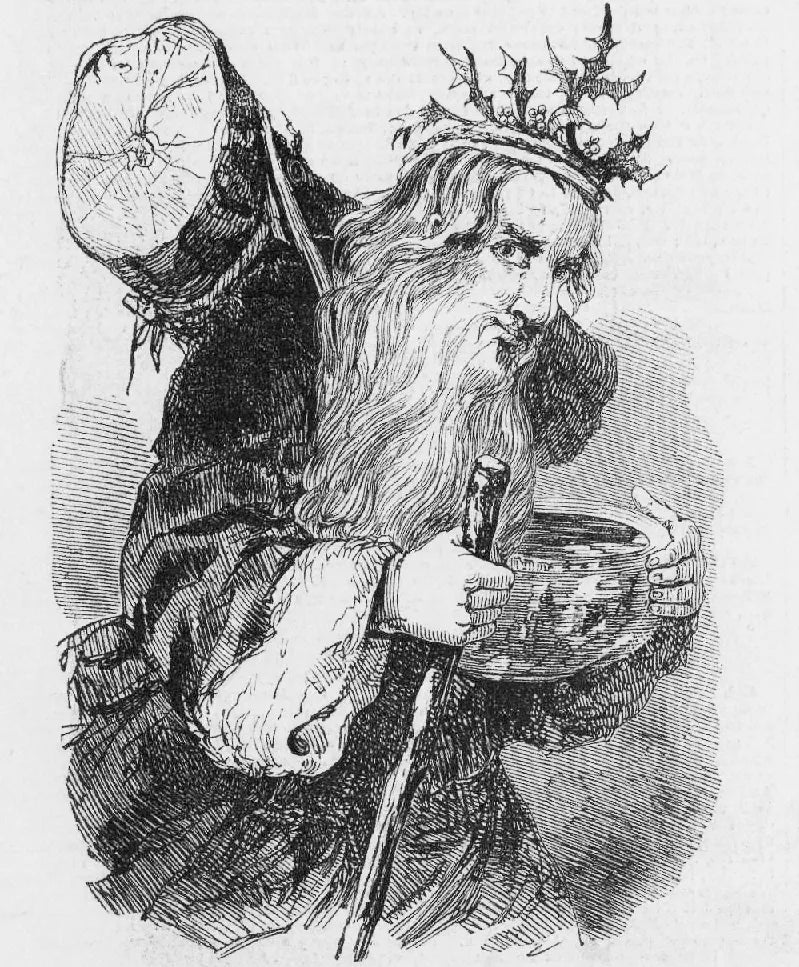
The festival was especially important among Germanic and Norse peoples, who honored cycles of nature, ancestral spirits, and the powers of winter. Fires were lit to strengthen the returning sun, evergreen plants symbolized eternal life, and rituals were performed for protection, prosperity, and spiritual renewal.
Many modern Christmas traditions carry echoes of ancient Yule customs, including:
- Decorating evergreen trees
- Burning Yule logs
- Exchanging gifts
- Hanging wreaths
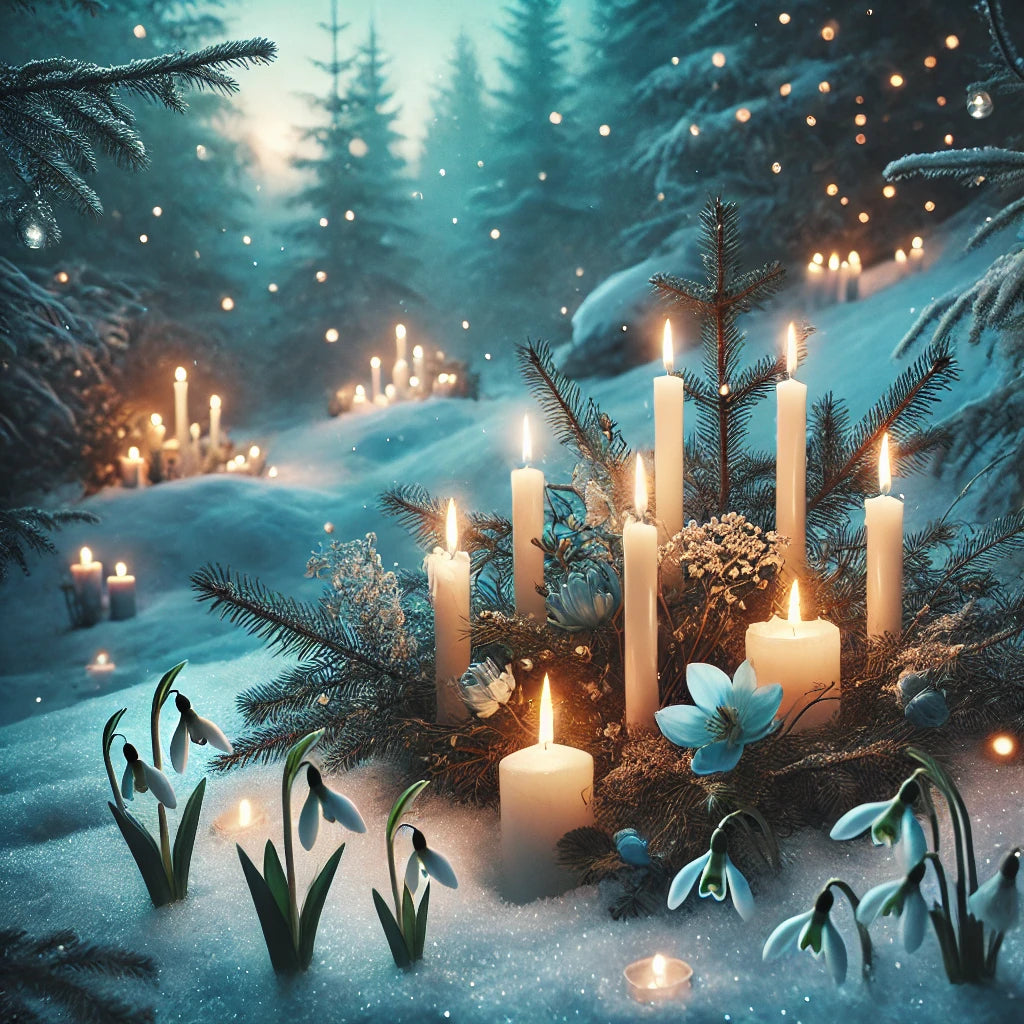
- Lighting candles during winter nights

The Spiritual Meaning of Yule
Yule carries deep symbolic meaning for many pagan paths. It is a time of reflection, introspection, ancestral remembrance, and spiritual renewal. The Winter Solstice invites us to pause and listen to the silence of the season.
Yule is often seen as a sacred time for:
- Reflection and introspection
- Honoring ancestors
- Releasing the old cycle
- Welcoming rebirth and transformation
- Strengthening inner light during darkness
- Connecting with nature’s sacred rhythms
The Winter Solstice reminds us that darkness itself is not evil. In pagan spirituality, darkness is often viewed as a sacred space of incubation - a hidden realm where wisdom, visions, and transformation emerge.
Just as seeds rest beneath frozen earth before spring, the soul also requires periods of stillness.
Traditional Yule Rituals & Practices
Yule rituals often focus on fire, light, evergreen plants, ancestors, divination, protection, and the symbolic rebirth of the Sun. These practices can be adapted for modern life, whether you celebrate alone, with family, or in a spiritual circle.
Lighting the Yule Fire
Fire is one of the most sacred symbols of Yule. Traditionally, families would burn a Yule log throughout the longest night as an offering to the returning Sun. Today, many practitioners recreate this tradition using fireplaces, candles, or small ritual fires.
Simple Yule Fire Ritual
- Light a candle or sacred fire.
- Sit quietly and reflect on the past year.
- Write down what you wish to release.
- Safely burn the paper in the flame.
- Speak intentions for the coming cycle.
This ritual symbolizes purification, renewal, and transformation. The flame becomes a living symbol of the returning light and the inner fire that continues to burn even through the darkest season.
Decorating with Evergreens
Evergreen plants remain alive even during winter, making them ancient symbols of immortality, endurance, and spiritual vitality. Their presence in the home reminds us that life continues, even when the earth appears silent and asleep.
Common Yule plants include:
- Pine
- Cedar
- Holly
- Mistletoe
- Fir branches
- Juniper
Many pagans decorate altars or homes with evergreen branches to invite protection, life force, and renewal during the winter season.
Honoring Ancestors
The stillness of winter has long been associated with the spirit world and ancestral connection. During Yule, many practitioners light candles for departed loved ones and honor the wisdom of those who came before them.
Yule ancestor practices may include:
- Lighting candles for departed loved ones
- Leaving offerings of bread, wine, tea, or incense
- Speaking ancestral names aloud
- Meditating on family lineage and inherited wisdom
- Creating a small ancestor altar
For many practitioners, Yule becomes a sacred time to reconnect with lineage, memory, and the unseen roots that support the living.
Rune Divination During Yule
In Norse and Germanic-inspired traditions, Yule is often considered a powerful period for divination and spiritual insight. The deep silence of winter creates a sacred atmosphere for listening inwardly and asking for guidance.
Practitioners may use:
- Elder Futhark runes
- Tarot cards
- Candle scrying
- Dream work
- Meditation practices
The solstice season is often viewed as a liminal time - a threshold between the old year and the new cycle. For this reason, many people use Yule for reflection, intention-setting, and seeking spiritual clarity.
Creating a Yule Altar
A Yule altar can become the spiritual center of your celebration. It does not need to be complicated. Even a small space with a candle, a branch of evergreen, and a meaningful symbol can become sacred when arranged with intention.
Common Yule altar items include:
- Candles
- Pinecones
- Evergreen branches
- Crystals
- Antlers
- Runes
- Solar symbols
- Offerings for ancestors
- A bowl of snow or winter water
Colors often associated with Yule include:
- Deep green
- Gold
- Silver
- White
- Red
- Dark blue
The altar becomes a symbolic meeting point between nature, spirit, memory, and intention.
Modern Pagan Ways to Celebrate Yule
Modern practitioners celebrate Yule in many different ways depending on their spiritual path. Some choose quiet solitary rituals, while others gather in groups for feasts, chanting, and ceremonies.
Popular modern Yule practices include:
- Nature walks during sunrise or sunset
- Winter meditation rituals
- Crafting handmade talismans
- Preparing sacred herbal teas
- Journaling intentions for the coming year
- Hosting candle ceremonies
- Creating protection charms for the household
Yule can be deeply spiritual without requiring elaborate rituals. Even a single candle lit with intention can become sacred. What matters most is presence, reverence, and connection with the turning of the year.
The Symbolism of the Returning Sun
One of the most powerful symbols of Yule is the rebirth of the Sun. Across many ancient cultures, the Winter Solstice represented hope, renewal, and the promise that life would continue.
The returning Sun symbolizes:
- The return of warmth
- The continuation of life
- Victory over darkness
- Spiritual awakening
- The renewal of inner strength
For pagans, this symbolism often reflects the inner journey as well: the rediscovery of one’s own inner fire after periods of hardship, grief, uncertainty, or spiritual searching.
Final Thoughts
Yule invites us to slow down, listen to silence, and reconnect with ancient rhythms that modern life often forgets.
It is a season of fire in darkness. A season of memory and rebirth. A sacred pause between endings and beginnings.
Whether through candle rituals, ancestral offerings, meditation, or simple quiet reflection, Yule reminds us that light always returns - both in the world and within ourselves.
May your Winter Solstice be filled with warmth, wisdom, protection, and renewal.