
Reviewed and updated Aug 14, 2026
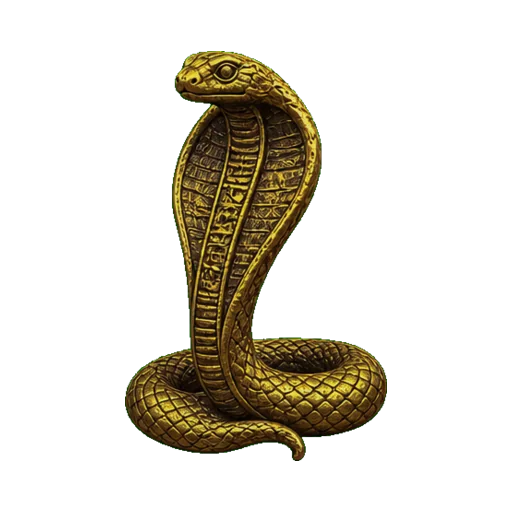
The rearing cobra placed on crowns embodies protective divine force and royal legitimacy, often connected with Wadjet.
Find Uraeus in the interactive Symbols & Meanings atlas and compare it with related signs by culture, theme, and evidence level.
Uraeus at a glance
- Cultural setting: Ancient Egyptian
- Core associations: Kingship · protection · sacred fire
- Evidence note: Historically attested royal and divine emblem
- Living thread: surviving history and present-day practice offer different layers of the symbol’s meaning.
What is the Uraeus?
The rearing cobra placed on crowns embodies protective divine force and royal legitimacy, often connected with Wadjet. Today, Uraeus may be encountered as an image, sacred attribute, ritual sign, piece of jewelry, or personal emblem. Each setting reveals a different layer of the symbol and the relationship people build with it.
Historical and cultural context
Ancient Egyptian signs changed across more than three millennia. Museum provenance, object type, period, and inscription matter more than a modern keyword list.
Every surviving object carries a setting: the place where it was found, the hands that shaped it, its material, and the images or words placed beside it. Reading those details lets the symbol speak in its own historical voice before we bring it into personal practice.
What does Uraeus mean?
Three recurring ideas help explain why people are drawn to this symbol: Kingship, protection, sacred fire. These themes are doors into the symbol rather than limits around it. Different practitioners may enter through a different meaning, memory, deity, or moment of ritual need.
- Kingship: this current becomes most vivid when joined with the symbol’s stories, sacred relationships, material form, and the purpose of the person working with it.
- protection: this current becomes most vivid when joined with the symbol’s stories, sacred relationships, material form, and the purpose of the person working with it.
- sacred fire: this current becomes most vivid when joined with the symbol’s stories, sacred relationships, material form, and the purpose of the person working with it.
How the symbol carries meaning through time
Historically attested royal and divine emblem. Where evidence is archaeological or textual, this guide prioritizes museum catalogues, inscriptions, dated manuscripts, and primary texts. Where the design is modern, it is labelled as modern rather than backdated to an imagined ancient past.
Similar shapes often arise in different cultures, each with its own names, stories, and ritual world. The same emblem can also change within one tradition as it passes from object to story, from story to art, and from art into living practice.
Working with Uraeus today
Modern practitioners may use Uraeus in jewelry, altar art, study, meditation, ritual, or personal symbolism. In living practice, Uraeus can gather personal and community meanings while remaining connected to the stories, images, and traditions that shaped it.
If you wear or display this symbol, give it a relationship rather than treating it as decoration alone. Record why you chose it, which story or tradition drew you in, and what quality you want it to awaken or protect in your life.
Four ways to deepen your relationship with the symbol
- Let its meaning remain alive: place, time, tradition, and personal experience can each reveal a different face of the symbol.
- Treat modern reconstructions as acts of continuation-new hands carrying an older image into the present.
- When similar forms appear in different traditions, learn the story of each one before weaving them together in your own practice.
- Use names found in shops or online as a doorway, then follow the symbol toward books, collections, communities, and ritual experience.
Related symbols and paths
Use the Symbols & Meanings atlas to filter by Protection, Sun and Moon, Life-Death-Rebirth, Wisdom, Magic and Divination, or Deity Attributes. For deity-linked emblems, continue to the Atlas of Deities & Sacred Figures.
Sources and further reading
- The Metropolitan Museum of Art - Egyptian collection and essays
- British Museum - Ancient Egypt collection
- UCL Digital Egypt for Universities
Last reviewed: July 30, 2026. This guide follows the symbol from surviving sources into the meanings it carries in living Pagan practice.