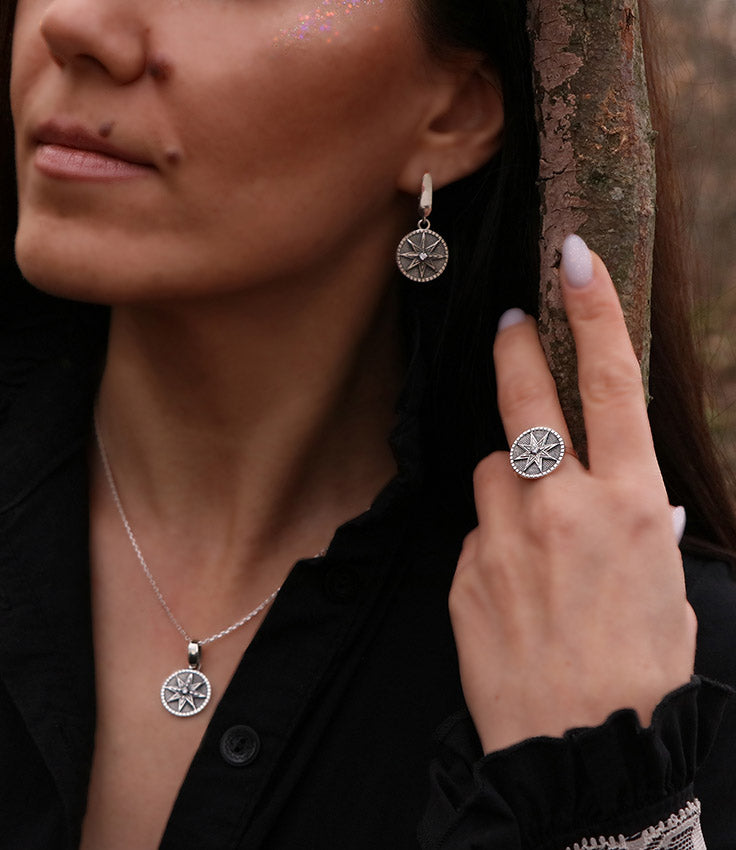

Reviewed and updated Jul 20, 2026
The short answer: many modern Pagan, Wiccan, witchcraft, and Western esoteric traditions work with five elements: Earth, Air, Fire, Water, and Spirit. The first four come from ancient Mediterranean natural philosophy; Spirit is a later ritual and esoteric way of expressing connection, consciousness, sacred presence, or the principle that unites the others.
The elements are best understood as a symbolic framework rather than a single doctrine followed by every Pagan. Their meanings, directions, colors, tools, and ritual uses vary between traditions. This guide follows the elements through historical philosophy and living spiritual practice, letting each layer enrich the other.
The five elements at a glance
| Element | Common modern themes | Examples in practice |
|---|---|---|
| Earth | Stability, embodiment, growth, boundaries, material life | Soil, stones, plants, food, grounding, care for place |
| Air | Breath, thought, language, movement, clarity | Incense, feathers, sound, study, intentional breathing |
| Fire | Energy, will, courage, creativity, transformation | Candles, hearths, sunlight, focused action |
| Water | Emotion, intuition, relationship, cleansing, adaptation | Bowls of water, rain, rivers, washing, offerings where appropriate |
| Spirit | Connection, sacred presence, consciousness, integration | The center of a circle, prayer, meditation, or the relationship among all elements |
These are common contemporary associations, not universal definitions. A tradition may use different names, omit Spirit, place it outside the four material elements, or organize ritual through an entirely different cosmology.
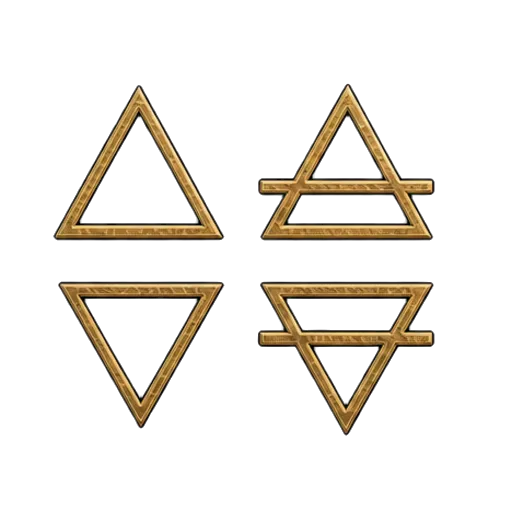
Where does the four-element system come from?
The familiar European system of Earth, Air, Fire, and Water developed in ancient Greek philosophy. In the fifth century BCE, Empedocles described four enduring “roots”—earth, air, fire, and water—whose mixtures and separations helped explain change in the world. He also described Love and Strife as forces involved in their combination and division.
Aristotle later organized the four elements through pairs of qualities: hot and cold, wet and dry. In his natural philosophy, Earth was cold and dry, Water cold and wet, Air hot and wet, and Fire hot and dry. These were historical attempts to explain matter and change; they are not the chemical elements recognized by modern science.
Aristotelian cosmology also described a fifth substance, aether or quintessence, associated with the celestial realm. That historical aether should not simply be treated as identical to the modern ritual idea of Spirit. Later philosophers, magicians, occultists, and religious practitioners reinterpreted older concepts for new systems.
How did the elements enter modern Pagan practice?
Elemental ideas continued through European philosophy, medicine, alchemy, astrology, ceremonial magic, and other learned traditions. Systems of correspondences connected elements with directions, colors, tools, qualities, and spiritual beings. Modern Pagan witchcraft inherited and adapted parts of this long history rather than preserving one unchanged ancient Pagan system.
In Wicca and many related forms of contemporary witchcraft, the elements may be acknowledged when creating ritual space, represented on an altar, contemplated in meditation, or associated with the points of a pentagram. Other Pagan religions may not use this framework at all. “Pagan” describes a broad family of paths, not a single institution with one required elemental chart.
Earth: stability, body, and place
Earth commonly represents physical existence: the body, land, nourishment, work, resources, boundaries, and the slow processes of growth and decay. Its symbolism can encourage patience, responsibility, and attention to the place where a person actually lives.
Modern practitioners may represent Earth with soil, salt, grain, leaves, stones, a pentacle, or a locally meaningful natural object. Materials should be gathered lawfully and without damaging habitats or culturally protected places.
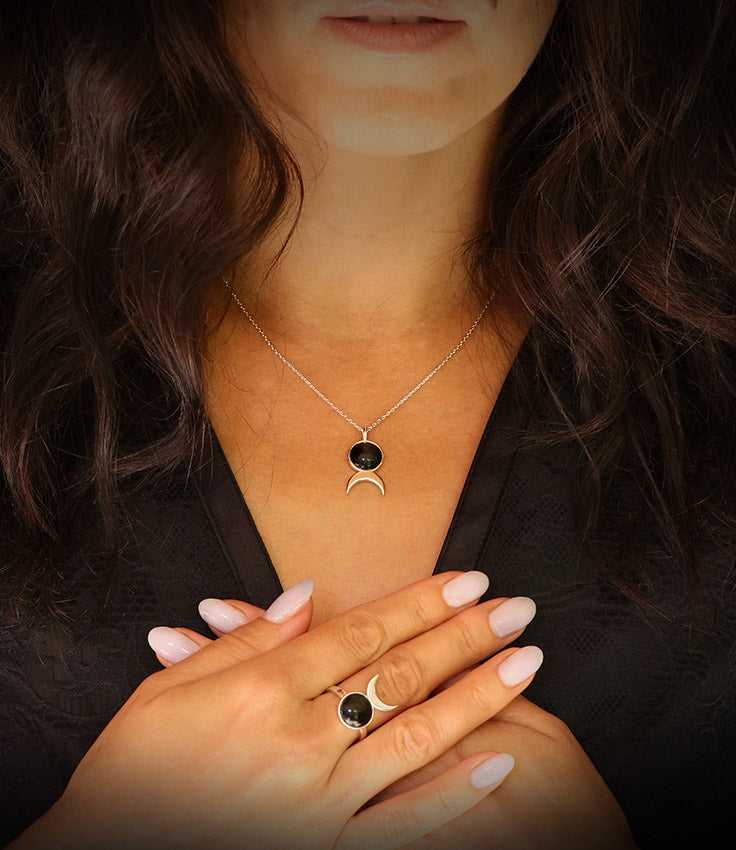
Stones are often included in modern Earth symbolism, but geology and spiritual interpretation should remain distinct. Obsidian, for example, is naturally occurring volcanic glass with a long material history; modern protective or grounding meanings are matters of spiritual tradition and personal practice. Our focused guide to obsidian will explore that distinction in detail.
Air: breath, thought, and communication
Air is frequently associated with breath, speech, learning, memory, ideas, movement, and communication. Because air is invisible yet experienced through wind and breathing, it can symbolize both the activity of the mind and connections that cannot be held physically.
Incense, feathers, bells, spoken words, music, or an open window may represent Air. Smoke is not required: people with respiratory sensitivities, pets, rental restrictions, or limited ventilation can use sound, breath awareness, a hand fan, or a symbolic image instead.
Fire: energy, creativity, and transformation
Fire can symbolize heat, light, courage, desire, focused will, creativity, purification, and rapid transformation. It can sustain a household and illuminate darkness, but it can also consume and injure. Responsible practice keeps both sides of the symbol visible.
A candle, hearth, lamp, sunlight, warm-colored cloth, or an electric light can represent Fire. Never leave a flame unattended, keep it away from fabrics and dried plants, use a stable heat-resistant surface, and choose a flameless alternative where open fire is unsafe or prohibited.
Seasonal festivals may give Fire a more specific meaning. At Imbolc, for example, light may be interpreted through renewal, hearth, Brigid, or the gradual return of longer days. That context belongs to the festival rather than defining Fire for every Pagan tradition.
Water: emotion, relationship, and change
Water commonly represents feeling, intuition, relationship, healing, cleansing, memory, and adaptability. Rain, wells, rivers, oceans, tears, and the water used in daily washing can each produce different symbolic associations.
A simple bowl or cup of clean water can be sufficient in ritual. Water taken from natural places should be handled with ecological awareness, and offerings should never introduce salt, wax, oils, glitter, metal, or other harmful materials into waterways.
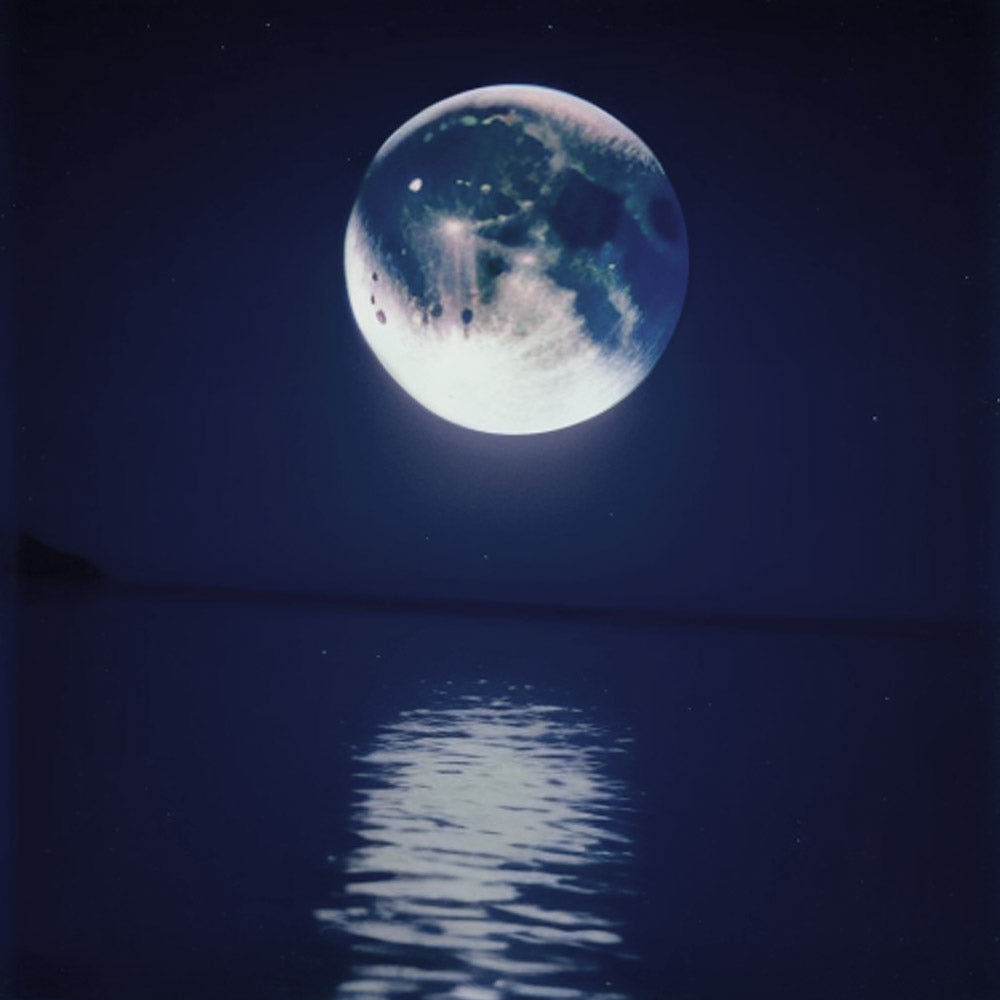
Moon water is one modern practice in which water is placed in moonlight and used symbolically. It is not automatically safe to drink, apply to skin, or use on every stone: contamination, storage, ingredients, and mineral chemistry still matter. Read our guide to moon water and cleansing practices for a focused treatment.
Spirit, aether, or the fifth element
Spirit is the least uniform part of the modern five-element scheme. It may mean sacred presence, consciousness, life, relationship, the center of ritual space, or the principle that connects the four material elements. Some practitioners use aether, ether, akasha, or quintessence, but these words come from different languages and intellectual histories and should not be treated as perfect synonyms.
Spirit is sometimes placed at the upper point of an upright pentagram, with the other four elements at the remaining points. That arrangement is influential in modern Western esoteric and Pagan symbolism, but it is not the meaning of every pentagram in history. See our pillar guide to the pentagram’s history and Pagan symbolism.
Elemental directions, colors, and tools
One widely circulated modern correspondence system uses the following pattern:
| Element | Direction | Common colors | Common ritual symbol |
|---|---|---|---|
| Earth | North | Green, brown, black | Pentacle, soil, salt, stone |
| Air | East | Yellow, white, pale blue | Incense, feather, blade, sound |
| Fire | South | Red, orange, gold | Candle, flame, wand, lamp |
| Water | West | Blue, silver, sea green | Cup, bowl, shell, water |
| Spirit | Center or beyond direction | White, violet, or no fixed color | Ritual center, light, pentagram |
This table is a starting point, not a law. Traditions reverse or replace directions, use different tools, and adapt practice to local geography and climate. A person in the Southern Hemisphere or beside an ocean, desert, mountain, or prevailing wind may develop relationships that do not fit a diagram created elsewhere. Follow the system of your tradition where one exists; in personal practice, record choices and use them consistently.
What does elemental balance mean?
Elemental balance does not require equal amounts of five invisible energies, nor does it diagnose health or personality. As a reflective practice, it can provide five questions:
- Earth: What needs care, structure, rest, or practical action?
- Air: What needs thought, language, listening, or a new perspective?
- Fire: What needs courage, energy, creation, or a clear boundary?
- Water: What needs compassion, adaptation, emotional honesty, or release?
- Spirit: What connects these concerns to purpose, community, or the sacred?
This approach treats the elements as symbols for reflection rather than substitutes for medical, psychological, legal, or practical help.
A simple and respectful way to begin
- Choose one element and learn how your tradition or source defines it.
- Observe its physical expression—such as soil, breath, sunlight, or water—without assuming the symbol and the material are identical.
- Select one safe representation already available to you.
- Write down the association you are using and where it came from.
- Reflect on how that meaning relates to daily responsibility and the living environment.
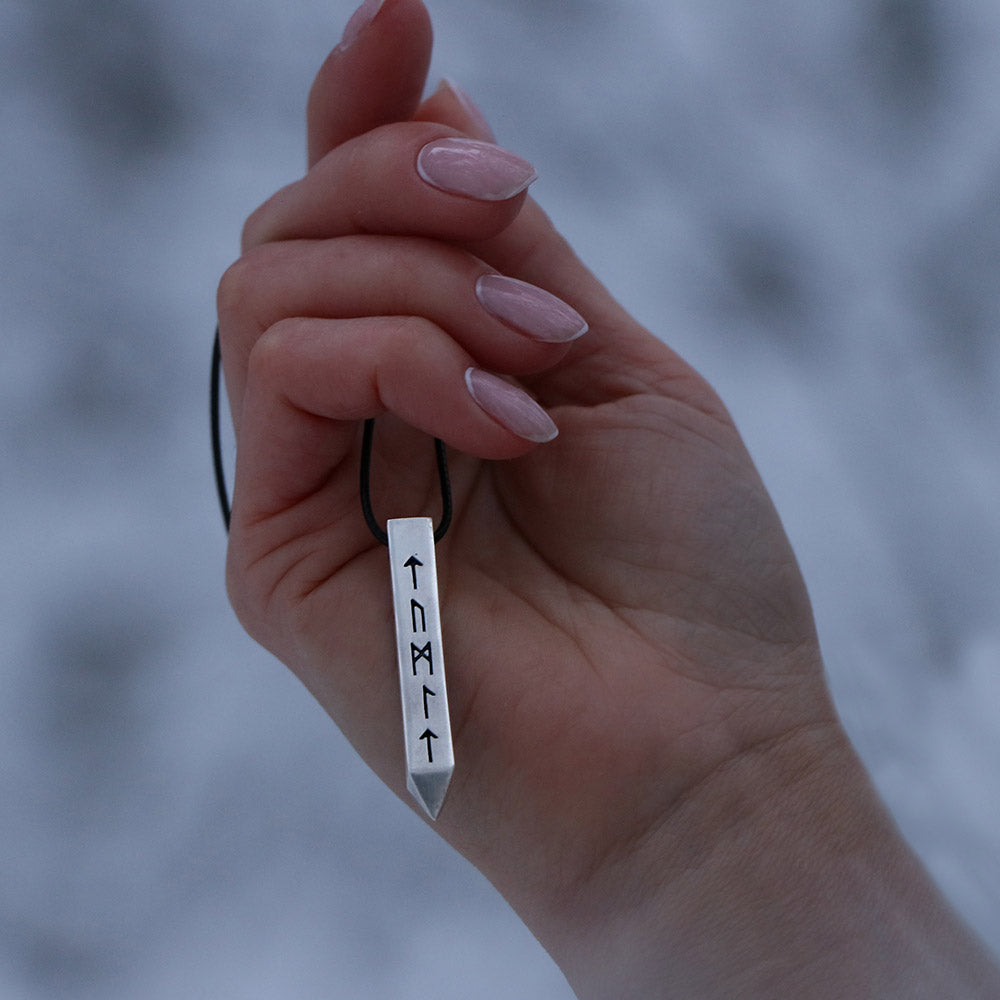
No expensive tool is necessary. Objects and jewelry can serve as reminders, but practice begins with attention, context, and informed choice.
Sources and further reading
- Stanford Encyclopedia of Philosophy: “Empedocles” — the four roots and the forces of Love and Strife.
- Stanford Encyclopedia of Philosophy: “Philosophy of Chemistry” — Aristotle’s elemental qualities and theory of matter.
- Ronald Hutton, The Triumph of the Moon, “Finding a High Magic” — the learned-magic background to modern Pagan witchcraft.
- Internet Sacred Text Archive: “Elemental Correspondences” — an example of a modern correspondence table, used here as evidence of practice rather than universal doctrine.
Last reviewed: July 20, 2026. Historical claims, modern spiritual interpretations, and practical safety guidance are identified separately.
Continue the learning path
Explore supporting guides


From the workshop