- The Cosmic Connection Between Paganism and Astrology
- Celestial Worship in Paganism: Honoring the Stars and Planets
- Zodiac Archetypes and Pagan Mythology
- The Wheel of the Year and Astrological Influence
- Rituals and Timing: Astrology's Role in Pagan Practice
- Uniting Paganism and Astrology
The Cosmic Connection Between Paganism and Astrology
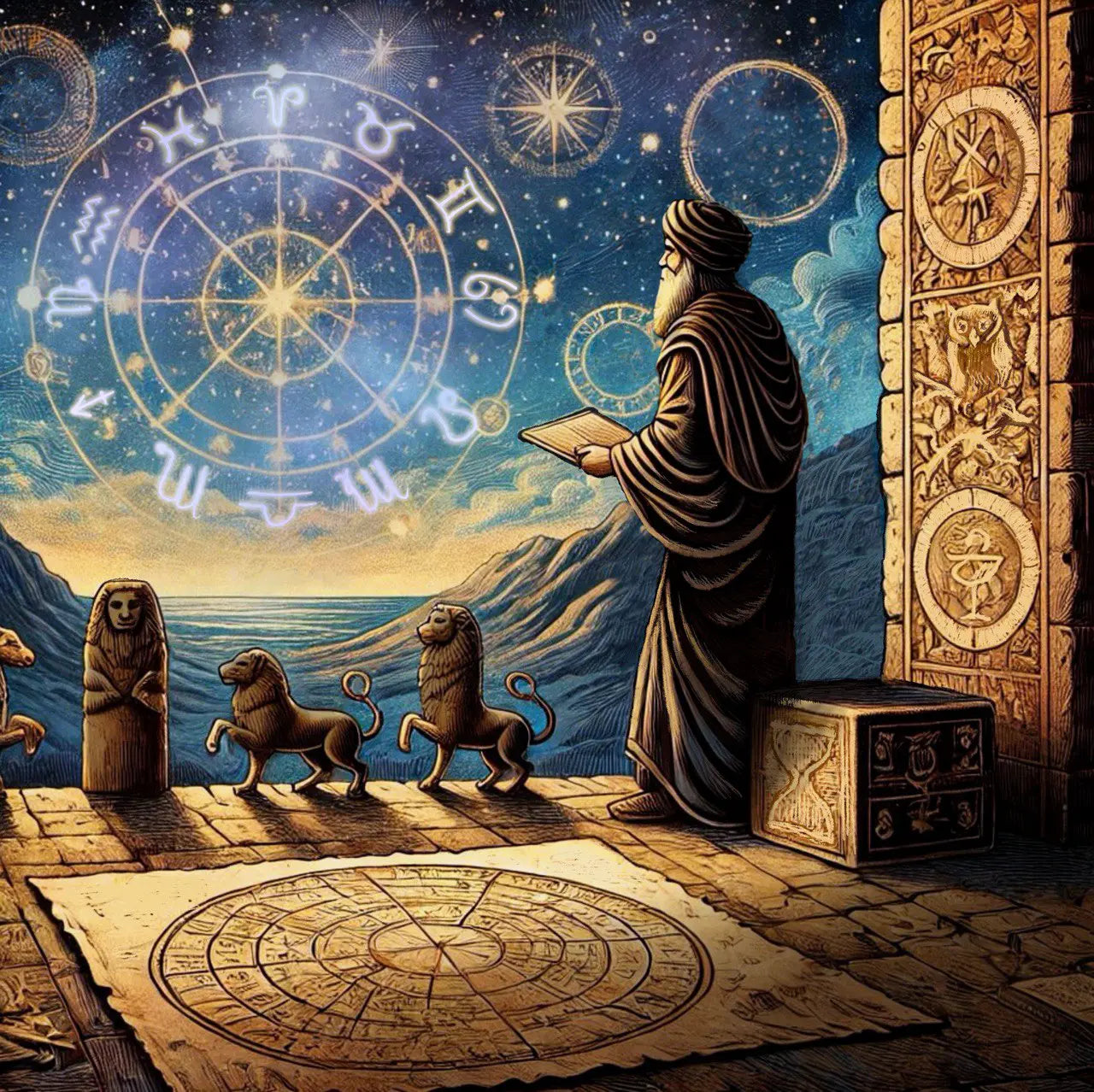
Paganism and astrology share a powerful link rooted in ancient wisdom. Pagan beliefs honor the Earth’s cycles and the heavens above, understanding that cosmic forces shape life’s rhythms. Through this lens, astrology becomes a spiritual guide, connecting earthly existence to the larger universe.
Celestial Worship in Paganism: Honoring the Stars and Planets
Celestial bodies are central in many pagan traditions, with the sun, moon, planets, and stars viewed as symbols of divine energy. Seasonal cycles like the equinoxes and solstices align with the sun’s journey, while the moon’s phases provide a rhythm for rituals that reflect life’s ebb and flow.

Zodiac Archetypes and Pagan Mythology
The zodiac signs carry archetypal qualities found across pagan myths. Aries reflects the warrior spirit seen in figures like Mars or the Celtic goddess Morrigan, while Virgo’s nurturing energy aligns with the goddess Demeter. These shared archetypes bridge astrological symbols and pagan lore.
The Wheel of the Year and Astrological Influence
The Wheel of the Year, central to pagan practice, marks seasonal festivals aligned with nature. Each festival’s energy aligns with the zodiac season it falls within, like Taurus during Beltane, a time of fertility and growth. Astrology deepens these celebrations, bringing cosmic significance to earthly cycles.
Rituals and Timing: Astrology's Role in Pagan Practice
Astrology helps pagans choose the most meaningful times for rituals, following lunar phases, retrogrades, and eclipses to enhance spiritual work. Whether for personal spells or communal celebrations, timing rituals with celestial movements amplifies their power and connects practitioners to the universe.
Uniting Paganism and Astrology
Astrology is a pathway to cosmic understanding within pagan practice, blending spiritual insight with the wisdom of the stars. By looking to the heavens, pagans connect with a timeless cosmic flow that reveals life’s deeper meaning, grounding earthly experiences in universal harmony.